
Daily Routine Ideas for Toddlers and Busy Parents
Last updated:
Parenting a toddler often feels like a balancing act. Young children need attention, structure, learning opportunities, and time to play, while parents juggle work, household tasks, and personal responsibilities. A well-planned routine can bring order to busy days and reduce stress for everyone in the family. Toddlers thrive when they know what comes next, and parents benefit from having a predictable schedule that keeps daily tasks on track.
The goal is not to create a rigid timetable but to build a flexible routine that supports healthy habits and family harmony. With a few practical adjustments, families can create a daily rhythm that encourages learning, play, rest, and quality time together without feeling overwhelmed.
Keep in mind: Families differ in work, culture, disability, housing, caregiving, and access. Use this guide as a menu of anchors rather than a schedule that every household must follow.
A routine can be predictable without being rigid
A simple daily routine helps toddlers feel secure and gives parents a clear structure for managing the day. The key lies in creating routines that fit your family’s lifestyle and priorities.
Start the Day with a Consistent Morning Routine
Mornings often set the tone for the rest of the day. A calm and organized start can reduce frustration and help everyone feel prepared.
A simple morning routine may include:
- Wake up at the same time each day.
- Brush teeth and wash hands.
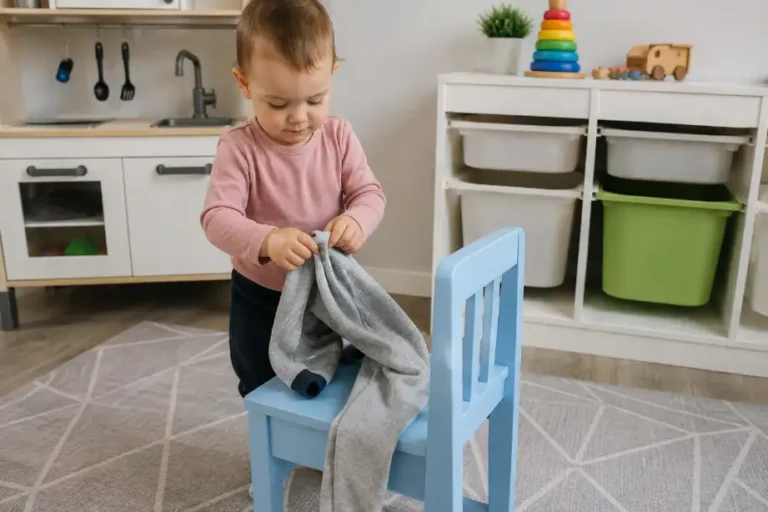
- Get dressed.
- Eat a healthy breakfast.
- Spend a few minutes reading or talking together.
Toddlers respond well to repetition. When they follow the same sequence each morning, they learn what to expect and become more cooperative.
Plan Active Play Time
Toddlers have a lot of energy. Regular physical activity helps them stay healthy and improves their mood.
Some easy activity ideas include:
- Dancing to music
- Playing catch with a soft ball
- Walking around the neighborhood
- Running in the backyard
- Obstacle courses using household items
Schedule active play during the morning or early afternoon when children often have the most energy.
Include Learning Through Play
Toddlers learn best when they play. Parents do not need expensive toys or structured lessons to support development.
Try activities such as:
- Building blocks
- Shape sorting games
- Coloring and drawing
- Singing songs
- Simple puzzles
- Story time
Short learning sessions of 10 to 20 minutes often work better than longer activities.
Create a Predictable Meal Schedule
Regular meal and snack times help toddlers maintain energy throughout the day. A predictable eating schedule also reduces requests for snacks at random times.
A basic schedule might include:
- Breakfast
- Mid-morning snack
- Lunch
- Afternoon snack
- Dinner
Offer a variety of nutritious foods and encourage family meals whenever possible.
Schedule Quiet Time or Naps
Many toddlers still need a daily nap. Even children who no longer nap benefit from quiet time.
Quiet time activities can include:
- Looking at picture books
- Listening to soft music
- Playing quietly with stuffed animals
- Resting in a comfortable space
This period also gives busy parents an opportunity to complete tasks or take a short break.
Build an Evening Wind-Down Routine
A consistent bedtime routine helps toddlers transition from active play to sleep.
A calming evening routine may include:
- Bath time
- Pajamas
- Brushing teeth
- Reading a book
- Cuddles and bedtime
Keep screens away during the hour before bed to support better sleep.
Time-Saving Tips for Busy Parents
Managing a household while caring for a toddler requires practical strategies. Small changes can make daily life much easier.
Prepare the Night Before
Evening preparation can save valuable time in the morning.
Consider preparing:
- Toddler clothes
- School or daycare bags
- Breakfast ingredients
- Parent work essentials
A few minutes of preparation can prevent morning chaos.
Use Activity Stations
Activity stations allow toddlers to stay engaged while parents complete household tasks.
Examples include:
- Coloring corner
- Block-building area
- Reading basket
- Toy kitchen setup
Rotate activities every few days to maintain interest.
Keep Expectations Realistic
No routine works perfectly every day. Unexpected events, illnesses, and changes in schedules happen.
Focus on consistency rather than perfection. A flexible approach helps parents adapt without feeling discouraged.
Benefits of a Structured Daily Routine
A predictable routine offers advantages for both toddlers and parents.
Benefits for Toddlers
Toddlers gain:
- A sense of security
- Better emotional regulation
- Improved sleep habits
- Increased independence
- Stronger learning opportunities
Children often behave more positively when they understand daily expectations.
Benefits for Parents
Parents experience:
- Less daily stress
- Better time management
- Improved productivity
- More quality family time
- Fewer power struggles
A routine creates a framework that simplifies everyday decisions.
Sample Daily Schedule for Toddlers and Busy Parents
Every family has different needs, but this sample schedule provides a helpful starting point.
| Time | Activity |
|---|---|
| 7:00 AM | Wake up and morning routine |
| 7:30 AM | Breakfast |
| 8:00 AM | Active play |
| 9:30 AM | Learning activity |
| 10:00 AM | Snack |
| 10:30 AM | Outdoor time |
| 12:00 PM | Lunch |
| 1:00 PM | Nap or quiet time |
| 3:00 PM | Snack |
| 3:30 PM | Independent play |
| 5:30 PM | Dinner |
| 6:30 PM | Family time |
| 7:30 PM | Bedtime routine |
| 8:00 PM | Sleep |
Parents can adjust this schedule based on work commitments, daycare arrangements, or family preferences.
Common Routine Mistakes to Avoid
Many families struggle because of a few common routine mistakes.
Overscheduling the Day
Toddlers need downtime. Too many activities can create stress and exhaustion.
Frequent Schedule Changes
Constant changes can confuse toddlers. Keep core activities such as meals, naps, and bedtime consistent.
Ignoring Transition Time
Toddlers often need a few minutes to switch between activities. Give gentle reminders before transitions.
Relying Too Much on Screens
Screens can occupy children temporarily, but excessive use may interfere with sleep, physical activity, and social development.
Making Routines Fun for Toddlers
Children cooperate more when routines feel enjoyable.
Try these ideas:
- Use colorful charts
- Sing clean-up songs
- Create reward stickers
- Read books about routines
- Celebrate small achievements
Positive reinforcement encourages toddlers to participate willingly.
Conclusion
Daily routines create stability for toddlers and make life more manageable for busy parents. A consistent schedule supports healthy habits, learning, sleep, and emotional well-being. Parents do not need a perfect plan to see results. Small routines repeated each day often make the biggest difference.
Focus on creating predictable patterns for meals, play, rest, and bedtime while leaving room for flexibility when needed. With patience and consistency, families can build routines that reduce stress, encourage independence, and create more opportunities for meaningful time together. A balanced daily structure helps both toddlers and parents enjoy a smoother and more rewarding day.
F.A.Q
Why is a daily routine important for toddlers?
A daily routine provides structure, security, and consistency for young children.
What is the best bedtime for toddlers?
Most toddlers benefit from going to bed between 7:00 PM and 8:30 PM.
How much playtime should a toddler have each day?
Toddlers should have several hours of active and free play throughout the day.
Can routines help reduce tantrums?
Yes, predictable routines often reduce frustration and behavioral challenges.
How can working parents maintain a toddler routine?
Working parents can focus on consistent meal times, bedtime routines, and family activities.
Should toddlers have quiet time if they stop napping?
Yes, quiet time helps toddlers rest and recharge even without a nap.
How long does it take for a toddler to adjust to a new routine?
Many toddlers begin adapting within one to two weeks of consistent practice.
When to get more help
If sleep, eating, toileting, or behavior difficulties are persistent or affecting wellbeing, discuss the pattern with a pediatric healthcare professional.
Related reading
Sources
- CDC — Tips for Relying on Routines and Rules (consulted August 28, 2026).
- CDC — Positive Parenting Tips: Toddlers (2–3 years) (consulted August 28, 2026).
- CDC — About Sleep (consulted August 28, 2026).
Source note: These links support the developmental, safety, nutrition, sleep, or parenting guidance in this article. They do not replace individualized professional care.