Milestones for 2-Year-Olds: A Flexible Guide for Parents
Last updated:
A child at age two shows rapid change in how they move, speak, and interact with people around them. Many parents notice daily surprises at this stage. One day the child tries new words, and the next day they show strong opinions about food, toys, or bedtime. This age often brings joy mixed with confusion because development moves fast and not always in a steady pattern. Some toddlers talk in short phrases, while others rely more on gestures.
Walking, running, and climbing also become part of daily life, which adds more activity at home. Parents often compare their child with others, but each child follows a different pace. Understanding common milestones for this age helps caregivers respond with confidence and set realistic expectations for growth and behavior.
Keep in mind: Milestones describe skills that many children can do by an age; they are not a test, diagnosis, or deadline. Development can differ with language, culture, disability, neurodivergence, opportunity, and individual pace.
Milestones for 2-Year-Olds: What Parents Should Expect and How to Support Them
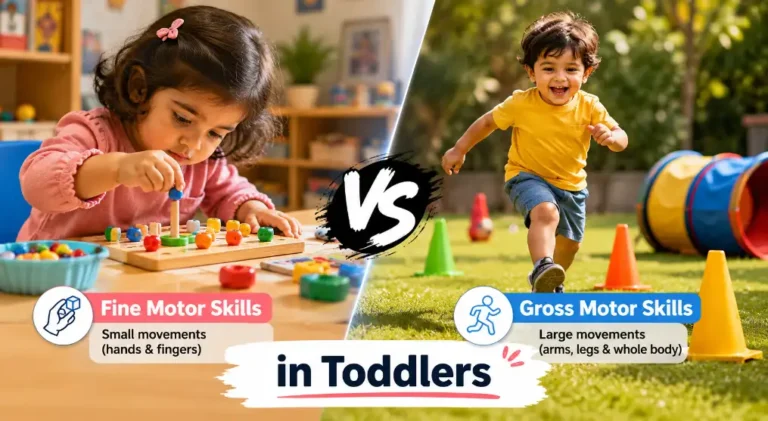
Physical Development
At age two, most children show strong control over their bodies compared to the first year of life. They move with more confidence and try new physical actions every day.
Common physical milestones include:
- Walking without support
- Running short distances
- Climbing onto furniture
- Kicking and throwing a ball
- Holding small objects with fingers
Parents can support physical growth by:
- Giving safe space for movement at home
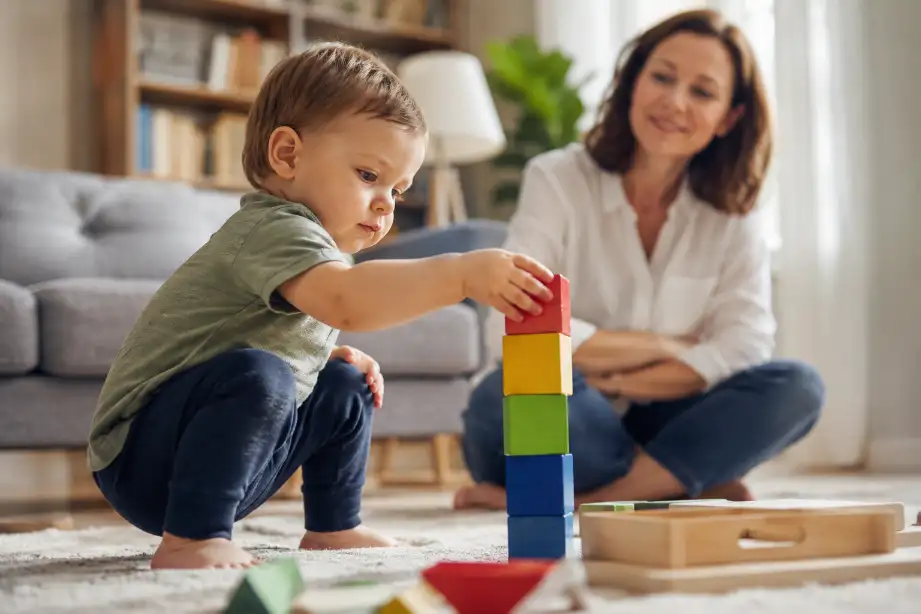
- Offering toys that encourage walking and stacking
- Allowing outdoor play in secure areas
- Avoiding long periods in strollers or confined seats
Some children also start showing early hand control, such as turning pages or using spoons, although spills remain common.
Language Development
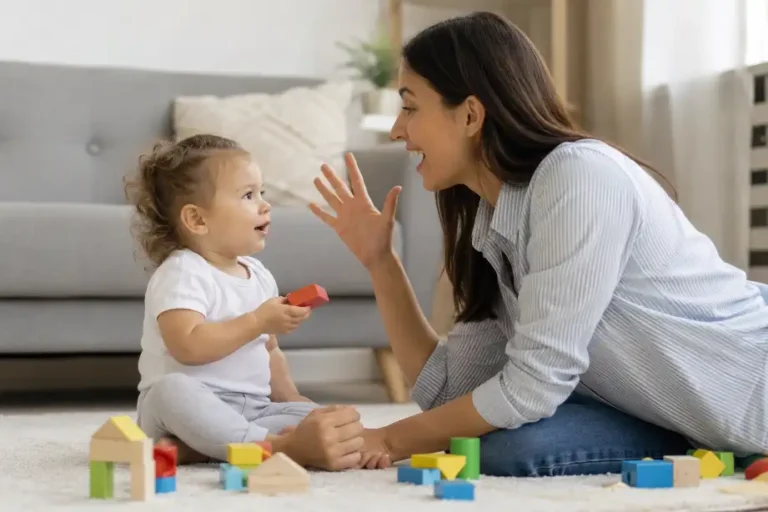
Language skills grow quickly during this stage. Some children speak around 20 to 50 words, while others speak even more. They may not form full sentences yet, but they start combining words.
Typical language milestones:
- Saying two-word phrases like “more milk” or “go باہر”
- Naming familiar objects and people
- Following simple instructions like “bring the ball”
- Pointing to things they want
Ways parents can support language:
- Talk to the child during daily tasks
- Name objects during play
- Read short picture books every day
- Respond to attempts at speech with patience
Avoid correcting too harshly. Instead, repeat the word correctly so the child hears the right version.
Social and Emotional Growth
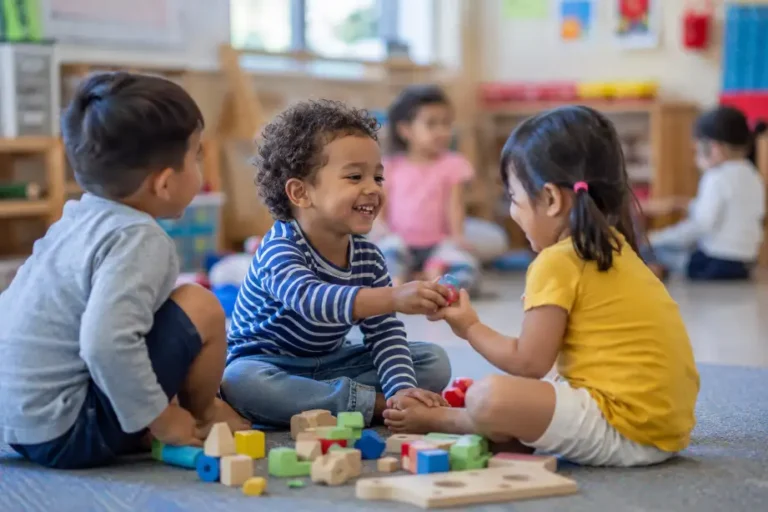
Two-year-olds often show strong emotions. They may switch quickly from joy to frustration. Sharing does not come easily at this age, and they often prefer playing alone even in a group.
Common behaviors include:
- Clinging to parents in new places
- Showing separation anxiety
- Having tantrums when needs remain unmet
- Showing affection to familiar people
Support strategies:
- Keep routines steady during the day
- Offer simple choices like “red cup or blue cup”
- Stay calm during tantrums
- Praise good behavior clearly
Children at this age also begin to notice other kids, even if they do not fully play together yet.
Thinking and Learning Skills
Cognitive development also shows steady progress. Toddlers begin to solve simple problems and remember familiar routines.
Skills you may notice:
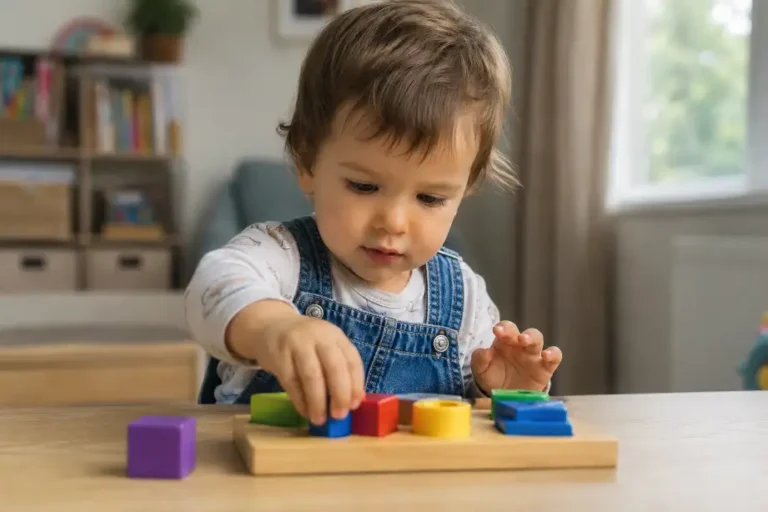
- Matching shapes or colors
- Completing simple puzzles
- Pretend play like feeding a doll
- Remembering where toys belong
Parents can support thinking skills by:
- Offering shape sorters and blocks
- Encouraging pretend play
- Asking simple questions during playtime
- Allowing time to try tasks without rushing
Signs That Need Attention
Every child grows at their own speed, but some signs may need advice from a doctor:
- No clear words by age two
- No interest in movement like walking
- No response to name
- Loss of skills already learned
Early discussion with a pediatrician helps address concerns sooner.
Understanding Behavior and Daily Life with a 2-Year-Old
Sleep Patterns and Rest
Sleep often changes at this age. Many toddlers sleep around 11 to 14 hours in a day, including naps. Some resist bedtime due to curiosity about their surroundings.
Helpful habits:
- Set a fixed bedtime routine
- Use calm activities before sleep like reading
- Keep lights low and noise minimal
- Avoid screens before bedtime
Night waking may still happen, but consistent routines help reduce it over time.
Eating Habits and Food Preferences
Food behavior often shifts quickly. One day a child may love a food and refuse it the next day. This phase feels frustrating for parents, but it stays common.
Typical patterns:
- Small appetite changes
- Strong preference for certain foods
- Desire for self-feeding
- Messy eating habits
Helpful approaches:
- Offer a variety of foods without pressure
- Keep meal times regular
- Let the child try feeding independently
- Avoid forcing food during refusal
Tantrums and Emotional Outbursts
Tantrums often peak at age two. Children feel strong emotions but lack full control over expression.
Common triggers:
- Hunger or tiredness
- Trouble expressing needs
- Denied requests
Ways to respond:
- Stay calm and speak softly
- Offer comfort after the outburst settles
- Avoid long explanations during the tantrum
- Set clear limits without shouting
Potty Readiness Signs
Some children show interest in toilet training during this age, while others need more time.
Readiness signs:
- Staying dry for longer periods
- Showing interest in bathroom habits
- Discomfort with dirty diapers
Parents should not rush the process. Waiting for clear readiness signs reduces stress for both child and caregiver.
Conclusion
Age two brings strong changes in movement, speech, and emotions. Children start showing independence but still need steady support from caregivers. Each milestone, from first sentences to active play, reflects steady progress rather than fixed steps. Parents often feel pressure when comparing their child with others, but growth follows different paths for every toddler.
A calm routine, patient communication, and safe play spaces help children build confidence. Daily interaction, reading, and simple play activities shape learning in a natural way. When parents understand common behaviors at this age, they respond with more ease and support their child’s early growth with confidence.
F.A.Q
What words should a 2-year-old usually say?
Most toddlers speak 20–50 simple words and start combining two-word phrases.
How much sleep does a 2-year-old need?
They usually sleep 11–14 hours in total, including daytime naps.
Why do tantrums happen so often at age two?
Toddlers feel strong emotions but lack full language skills to express them.
When should a 2-year-old start potty training?
Start only when the child shows signs of readiness like staying dry longer.
What games help a 2-year-old learn better?
Simple puzzles, stacking blocks, and pretend play support learning skills.
Should I worry if my child speaks less than others?
Some variation is normal, but talk with a doctor if speech delay seems clear.
How can I help my child become more social?
Arrange short play sessions with other children and model sharing behavior.
When to get more help
If a child loses a skill, is not meeting one or more milestones, or a caregiver has a concern, the CDC advises talking with the child’s doctor and asking about developmental screening.
Related reading
Sources
- CDC — Milestones by 2 Years (consulted August 28, 2026).
- ASHA — Communication Milestones: 19 to 24 Months (consulted August 28, 2026).
- ASHA — Communication Milestones: 2 to 3 Years (consulted August 28, 2026).
Source note: These links support the developmental, safety, nutrition, sleep, or parenting guidance in this article. They do not replace individualized professional care.