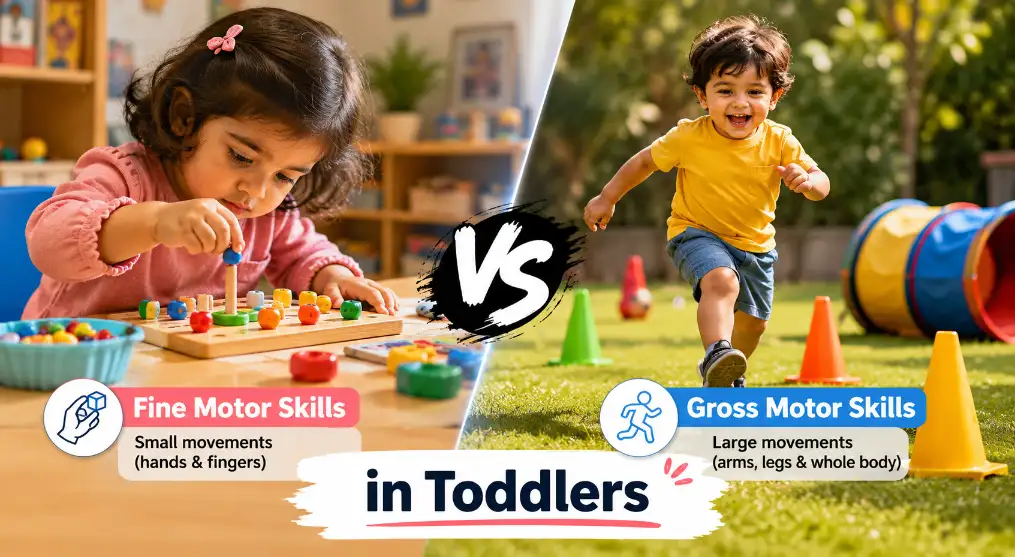
Fine Motor vs. Gross Motor Skills in Toddlers
Last updated:
Toddlers grow fast during the first years of life. Parents often notice how a child starts grabbing objects, stacking blocks, walking, or running without much instruction. These actions come from two main skill groups: fine motor and gross motor skills. Each group supports daily activities and shapes early learning. Fine motor skills involve small muscle control in hands and fingers, while gross motor skills use larger muscles for movement like crawling, jumping, and climbing.
Many parents feel unsure about what counts as normal progress. Some children pick up crayons early, while others prefer running and climbing first. Both paths can stay normal. Understanding both skill types helps parents support balanced growth at home with simple, daily activities.
Keep in mind: Motor skills reflect practice, opportunity, health, disability, environment, and individual development. Comparisons between children are less useful than noticing a child’s own progress and access needs.
Fine Motor vs. Gross Motor Skills in Toddlers: Differences and Practical Solutions
What are Fine Motor Skills in Toddlers?
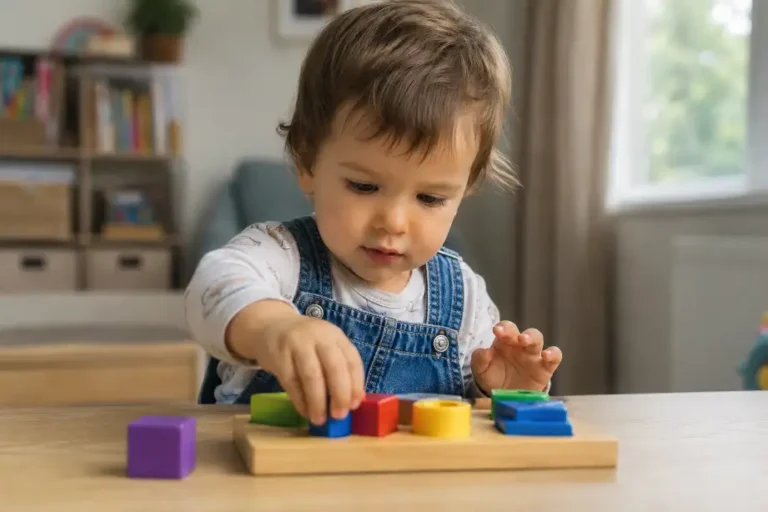
Fine motor skills focus on small muscle movements, mainly in hands, fingers, and wrists. Toddlers use these skills for detailed tasks that require control and hand-eye coordination.
Common fine motor actions include:
- Picking up small objects like beads or cereal pieces
- Holding crayons or pencils
- Turning pages in a book
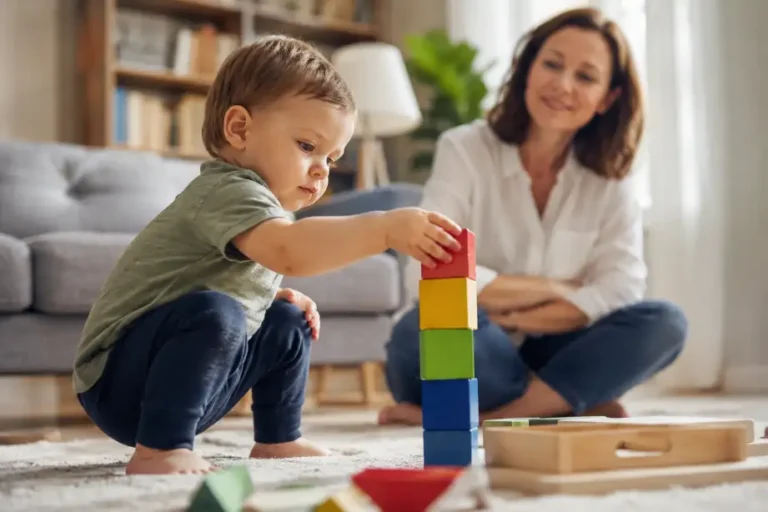
- Stacking small blocks
- Using spoon and fork during meals
- Scribbling or drawing shapes
These skills develop slowly because toddlers need time to build finger strength and coordination. Activities that involve play and self-feeding help these skills grow naturally.
What are Gross Motor Skills in Toddlers?
Gross motor skills involve larger muscle groups in legs, arms, and torso. These skills support movement and balance.
Common gross motor actions include:
- Crawling across the floor
- Walking and running
- Jumping with both feet
- Climbing stairs with support
- Kicking or throwing a ball
- Standing and balancing on one foot
Toddlers usually show progress in gross motor skills earlier than fine motor skills because large muscles develop strength faster.
Key Differences Between Fine Motor and Gross Motor Skills
Parents can spot differences by observing how a toddler moves and uses their body:
- Fine motor skills focus on precision and hand control
- Gross motor skills focus on strength, balance, and movement
- Fine motor actions need smaller muscles and more focus
- Gross motor actions use larger muscles and broader movements
- Fine motor tasks include writing or picking objects
- Gross motor tasks include walking, running, and jumping
How Parents Can Support Fine Motor Development
Simple home activities can help toddlers improve hand control and finger strength:
- Give crayons and large paper for scribbling
- Offer building blocks of different sizes
- Let toddlers pick up small safe objects like buttons or pasta
- Encourage self-feeding with spoon and fork
- Use play dough for squeezing and rolling
- Let toddlers open and close simple containers
Daily practice matters more than long sessions. Short play activities work best for young children.
How Parents Can Support Gross Motor Development
Toddlers need space and movement for gross motor growth. Parents can try:
- Outdoor walking in safe areas
- Playing catch with soft balls
- Climbing small playground structures
- Dancing to music at home
- Encouraging crawling games through tunnels or cushions
- Helping toddlers practice stairs with support
These activities build strength, balance, and confidence in movement.
Signs of Delay in Motor Skills
Every child grows at their own pace, but some signs may need attention:
Fine motor concerns:
- Trouble holding small objects after age 2
- No interest in scribbling or stacking
- Weak grip on spoon or crayons
Gross motor concerns:
- Not walking after 18 months
- Poor balance when standing
- Difficulty climbing small steps
If parents notice repeated delays, a pediatric consultation can help check development.
Activities and Milestones for Motor Skill Growth in Toddlers
Age-Based Milestones
Understanding general milestones helps parents track progress without stress:
12–18 months:
- Starts walking with or without support
- Picks up small objects using thumb and finger
- Drinks from a cup with help
18–24 months:
- Runs with less falling
- Scribbles with crayons
- Kicks a ball forward
2–3 years:
- Jumps with both feet
- Builds small block towers
- Begins using simple utensils with better control
Daily Activities That Support Both Skill Types
Parents can combine play and learning in simple ways:
- Indoor play ideas
- Stacking cups
- Sorting toys by size or color
- Drawing shapes on paper
- Outdoor play ideas
- Playing in sand or dirt
- Running games in open space
- Climbing small slides
- Household involvement
- Let toddlers help in simple tasks like placing clothes in a basket
- Encourage picking up toys after play
- Let them assist in safe kitchen tasks like washing vegetables
Role of Play in Skill Development
Play helps toddlers learn without pressure. Repeated actions build muscle control over time. When a child plays with blocks or runs in a park, both brain and body work together. This connection strengthens coordination and timing.
Parents do not need special tools. Everyday household items often work well for learning and movement.
Balancing Screen Time and Physical Activity
Too much screen time reduces movement opportunities. Toddlers need active play for both fine and gross motor growth.
Helpful balance tips:
- Set short screen limits each day
- Replace passive time with physical play
- Keep toys accessible for easy engagement
- Encourage outdoor time daily when possible
When to Seek Professional Advice
Parents may consult a doctor or child specialist when:
- Skills do not match age milestones
- A child avoids movement or play activities
- Coordination seems weak over time
- Hand control does not improve with practice
Early support can help identify needs and guide parents with simple exercises.
Conclusion
Fine motor and gross motor skills shape how toddlers interact with their environment. One supports small, detailed movements like holding a crayon, while the other supports big actions like running or jumping.
Both skill groups grow through daily activities, play, and repetition. Parents can create a supportive space by offering safe toys, movement time, and patient encouragement. Each child follows a personal pace, and steady practice helps both areas improve over time. Watching progress through small changes gives parents a clear sense of development without pressure or confusion.
F.A.Q
What age do toddlers start developing fine motor skills?
Fine motor skills start developing around 6 months and grow rapidly during toddler years.
Do gross motor skills develop before fine motor skills?
Gross motor skills often appear earlier since large muscles gain strength faster.
Can delays in motor skills fix over time?
Many delays improve with practice, play, and guided activities.
What toys help fine motor skills?
Blocks, crayons, stacking cups, and simple puzzles support hand control.
How much physical activity does a toddler need daily?
Toddlers need several hours of active play spread throughout the day.
Should parents worry if a child skips crawling?
Some children skip crawling and still develop normal motor skills later.
Can indoor play support motor skill growth?
Yes, indoor play like drawing, stacking, and dancing supports both skill types.
When to get more help
Discuss lost skills, persistent movement concerns, pain, or difficulty participating in everyday activities with a pediatric healthcare professional.
Related reading
Sources
- CDC — Milestones by 2 Years (consulted August 28, 2026).
- CDC — Positive Parenting Tips: Toddlers (2–3 years) (consulted August 28, 2026).
Source note: These links support the developmental, safety, nutrition, sleep, or parenting guidance in this article. They do not replace individualized professional care.