Social Development in Toddlers: Skills, Variation, and Support
Last updated:
Toddlers grow fast, and their social behavior shows how well they connect with people around them. Parents often notice small actions that reflect how a child learns to interact, share, and respond to emotions. These early signs matter because they set the base for future relationships, confidence, and communication skills. A toddler who plays with others, reacts to feelings, and shows curiosity about people often moves in a positive direction of growth.
Each child grows at a different pace, yet certain behaviors appear commonly in children who develop healthy social habits. Understanding these signs helps caregivers guide children with patience and clarity. It also helps spot areas where a child may need more support. This article explains key behaviors, ways to support growth, and additional factors that shape social development in early childhood.
Keep in mind: Eye contact, play style, language, and comfort with people vary across children and cultures. No single social behavior proves that development is healthy or unhealthy, and this guide is not a screening tool.
Signs of Healthy Social Development in Toddlers and How to Support Them
Toddlers show their social growth through daily actions. These signs appear during playtime, family interactions, and simple routines. Each behavior gives clues about how a child connects with others.
1. Shows interest in other children
A toddler with healthy social development often watches other children and tries to join them. This interest shows early social awareness.
Key signs include:
- Approaching other children during play
- Observing group activities closely
- Smiling or reacting to other kids’ actions
Parents can support this by:
- Arranging playdates in safe spaces
- Encouraging shared toys
- Allowing time for free play without pressure
2. Responds to emotions of others
Toddlers start noticing emotions in faces and voices. They may react when someone feels happy, sad, or upset.
You may notice:
- Comforting gestures like hugging
- Facial expressions that match others’ moods
- Stopping play when someone cries
Caregivers can help by:
- Naming emotions during daily moments
- Reading storybooks with emotional situations
- Showing calm responses during stress
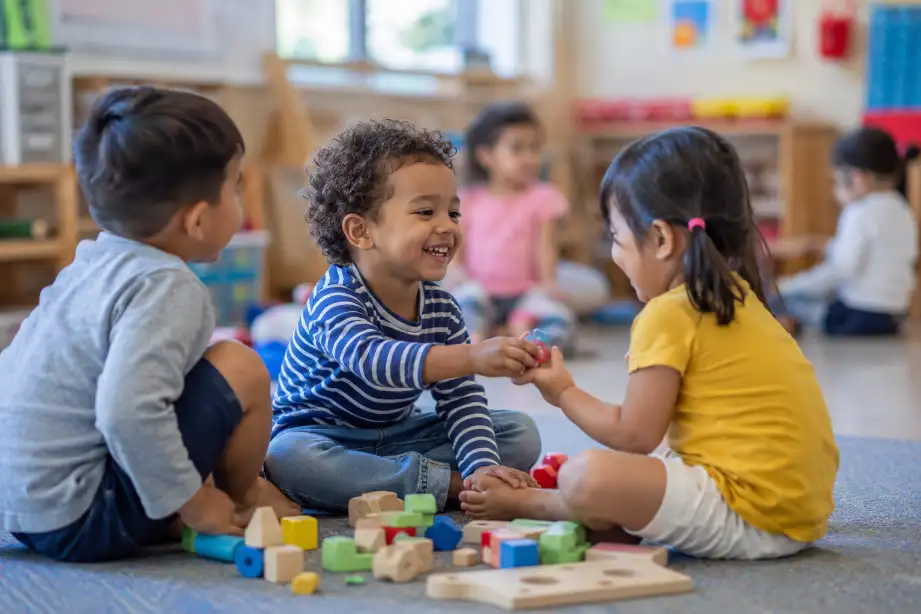
3. Engages in simple turn-taking
Turn-taking shows growing patience and awareness of others’ needs. It often appears during games or shared activities.
Examples include:
- Waiting for a turn with toys
- Passing objects during play
- Following simple game rules
Support methods:
- Play simple games like rolling a ball back and forth
- Praise waiting behavior
- Use clear instructions during group play
4. Uses basic communication to connect
Toddlers may not speak in full sentences, but they still try to communicate with words, sounds, or gestures.
Common behaviors:
- Pointing at objects to show interest
- Using short words like “mine” or “help”
- Making eye contact during interaction
Parents can encourage this by:
- Talking often during daily tasks
- Expanding short words into full sentences
- Responding quickly to communication attempts
5. Shows attachment to familiar people
Strong bonds with parents, caregivers, and close family members show stable emotional growth.
Signs include:
- Seeking comfort from trusted adults
- Smiling at familiar faces
- Feeling shy around strangers but warming up slowly
Helpful actions:
- Maintain daily routines
- Spend quality time without distractions
- Allow gradual exposure to new people
6. Begins to show empathy
Even at an early age, toddlers may show simple signs of understanding others’ feelings.
You may see:
- Sharing toys after seeing sadness
- Looking concerned when someone gets hurt
- Offering small comforting actions
Support ideas:
- Model kind behavior at home
- Praise caring actions
- Use simple words like “sad” and “happy” during situations
Factors That Shape Social Growth in Toddlers
Many influences shape how a toddler learns to interact with others. These factors include home environment, daily routine, and exposure to social settings.
Family interaction
Children learn first from family members. Warm communication at home helps toddlers feel safe and open.
Key practices:
- Talk during meals and playtime
- Listen when the child tries to speak
- Keep a calm tone during correction
Play environment
Play gives toddlers a chance to learn sharing, patience, and cooperation.
Helpful approaches:
- Provide group play opportunities
- Use toys that require sharing
- Allow both structured and free play
Language exposure
Language supports social growth by helping toddlers express needs and feelings.
Ways to improve:
- Read daily stories
- Sing simple songs
- Repeat and expand words used by the child
Routine and stability
A stable routine helps toddlers feel secure and behave with confidence.
Good habits:
- Set regular sleep and meal times
- Keep transitions smooth
- Prepare the child before changes in activity
Common Challenges in Toddler Social Development
Not all toddlers show the same pace in social growth. Some face challenges that need attention and patience.
Difficulty sharing
Some toddlers resist sharing toys. This behavior often comes from possessiveness and early independence.
Shyness in group settings
A child may avoid group play or stay close to caregivers. This often reduces with gradual exposure.
Emotional outbursts
Strong emotions may lead to crying or frustration when needs stay unmet.
Limited communication
Some toddlers struggle to express needs clearly, leading to misunderstandings.
Parents can handle these challenges by:
- Staying calm during reactions
- Using simple instructions
- Giving time for adjustment
- Avoiding pressure during social situations
How Parents Can Strengthen Social Skills Daily
Small daily actions help build strong social habits in toddlers.
Practical steps:
- Encourage greeting others with a smile or wave
- Play role-based games like pretend cooking or doctor play
- Let the child interact with peers in short sessions
- Praise sharing and kind actions
- Model polite behavior during conversations
- Use clear and simple words during communication
Consistency matters more than intensity. Regular practice builds confidence over time.
Conclusion
Social growth in toddlers shapes how they connect with the world around them. Parents and caregivers play a strong role by observing behavior, guiding communication, and creating safe chances for interaction. Signs like sharing, emotional response, and interest in other children reflect positive development.
Each child follows a unique pace, so patience and steady support matter. Daily routines, play activities, and simple conversations help children build trust and confidence. When adults stay involved and responsive, toddlers learn how to form healthy relationships and express feelings in a balanced way. These early years lay the foundation for future social success.
F.A.Q
What age shows early signs of social development in toddlers?
Social signs often appear between 12 to 36 months when toddlers start interacting more with people.
Why does my toddler avoid other children?
Shyness or unfamiliar environments often cause avoidance, and gradual exposure helps improve comfort.
How does play help social development?
Play teaches sharing, communication, and turn-taking through real-time interaction.
Should I worry if my toddler does not share toys?
Many toddlers struggle with sharing early on, and guidance plus practice improves this behavior.
How can I improve my toddler’s communication skills?
Talk often, read stories, and respond to their words or gestures with encouragement.
Does screen time affect social development?
High screen time reduces real interaction, which may slow down social learning skills.
What is the most important sign of healthy social growth?
Interest in people and willingness to interact shows strong early social development.
When to get more help
Talk with a pediatric healthcare professional if a child loses skills or if social, communication, hearing, play, or development concerns continue.
Related reading
Sources
- CDC — Milestones by 2 Years (consulted August 28, 2026).
- CDC — Positive Parenting Tips: Toddlers (2–3 years) (consulted August 28, 2026).
- CDC — Tips for Noticing and Naming Emotions (consulted August 28, 2026).
Source note: These links support the developmental, safety, nutrition, sleep, or parenting guidance in this article. They do not replace individualized professional care.