Effective Communication Strategies for Parents of Toddlers
Last updated:
Toddlers experience rapid growth during their early years. They learn new words, develop emotions, and start expressing their needs in different ways. During this stage, parents often face challenges because toddlers cannot always explain what they feel or want. Misunderstandings can lead to frustration, crying, or tantrums for both parents and children.
Good communication helps build trust, strengthens emotional bonds, and creates a positive home environment. Parents who communicate clearly and patiently can guide their toddlers through everyday situations with less stress. Small changes in how parents speak, listen, and respond can make a big difference in a child’s behavior and confidence. Understanding effective communication methods allows parents to support healthy emotional and social development while creating meaningful connections with their toddlers.
Keep in mind: Communication includes speech, gesture, sign, facial expression, behavior, and communication devices. Adapt these ideas for multilingual families, disability, neurodivergence, and each child’s preferred way to connect.
Connection comes before perfect words
Parents can improve communication with toddlers by focusing on clarity, patience, and consistency. The following strategies help children understand messages while encouraging positive interactions.
Use Simple and Clear Language
Toddlers understand short and direct sentences better than long explanations. Parents should choose words that match their child’s age and language skills.
Examples include:
- “Please put the toy away.”
- “Let’s wash our hands.”
- “Time for lunch.”
Simple instructions reduce confusion and help toddlers follow directions more easily.
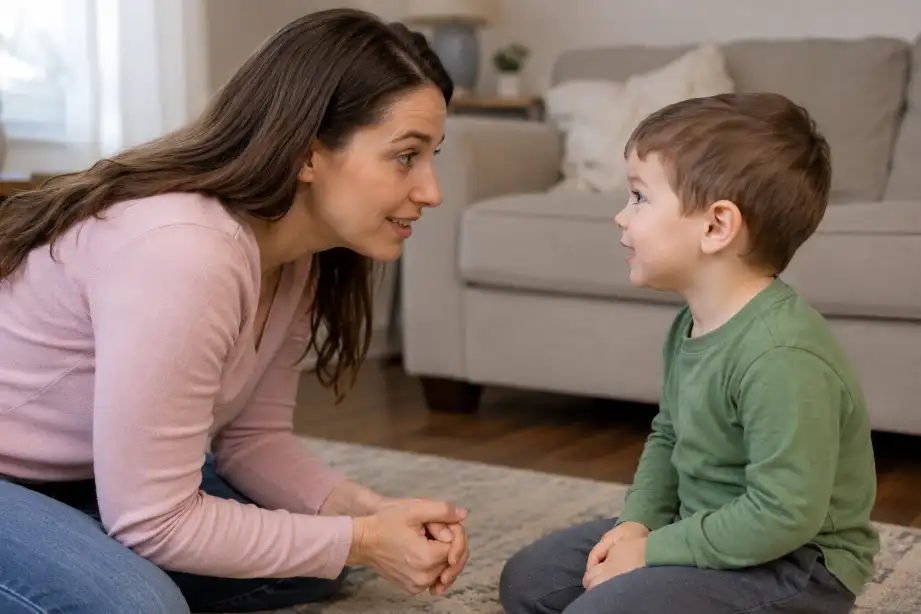
Get Down to Your Child’s Level
Eye contact creates a stronger connection during conversations. Parents should kneel or sit at their toddler’s height before speaking.
This approach helps because:
- Children pay better attention.
- They feel respected and valued.
- Messages become easier to understand.
A calm face and gentle tone also encourage cooperation.
Listen Carefully
Communication works both ways. Parents should listen when toddlers try to express themselves, even when words are unclear.
Ways to show active listening include:
- Looking at the child while they speak.
- Nodding to show attention.
- Repeating their words for confirmation.
- Responding with interest.
When children feel heard, they become more confident communicators.
Acknowledge Feelings
Toddlers often struggle to manage emotions. Parents can help by naming and validating feelings.
For example:
- “You seem upset because playtime ended.”
- “I can see you’re angry.”
- “You feel sad because your toy broke.”
Children learn emotional awareness when parents recognize their feelings without judgment.
Give Choices
Toddlers enjoy having some control over daily activities. Offering simple choices encourages cooperation.
Examples:
- “Would you like the blue shirt or the red shirt?”
- “Do you want an apple or a banana?”
- “Should we read this book or that one?”
Choices reduce power struggles and help children practice decision-making skills.
Use Positive Language
Positive wording guides behavior more effectively than constant correction.
Instead of saying:
- “Don’t run.”
Say:
- “Please walk.”
Instead of saying:
- “Stop shouting.”
Say:
- “Use your indoor voice.”
Positive language tells children what they should do rather than focusing on mistakes.
Be Consistent With Messages
Consistency helps toddlers understand expectations. Parents should use the same rules and responses whenever possible.
Consistency includes:
- Following daily routines.
- Using familiar phrases.
- Enforcing rules fairly.
Children feel secure when expectations remain predictable.
Use Nonverbal Communication
Body language plays a major role in communication. Toddlers often notice facial expressions and gestures before they understand spoken words.
Helpful nonverbal cues include:
- Smiling
- Nodding
- Gentle hand gestures
- Calm facial expressions
Positive body language reinforces verbal messages.
Read Books Together
Reading creates valuable opportunities for conversation. Parents can discuss pictures, ask simple questions, and encourage toddlers to point at objects.
Benefits include:
- Vocabulary growth
- Better listening skills
- Stronger parent-child bonding
- Improved language development
Daily reading sessions support communication skills in a natural way.
Practice Patience
Toddlers need time to process information and respond. Parents should avoid rushing conversations.
Patience allows children to:
- Think about responses.
- Practice speaking.
- Gain confidence.
A calm approach creates a supportive learning environment.
Common Communication Mistakes Parents Should Avoid
Many communication problems result from habits that parents may not notice. Avoiding these mistakes can improve interactions with toddlers.
Giving Too Many Instructions at Once
Toddlers struggle to remember multiple directions.
Instead of saying:
“Pick up your toys, wash your hands, put on your shoes, and come to the table.”
Try:
- “Pick up your toys.”
- After completion, give the next instruction.
Short steps increase success.
Raising Your Voice Frequently
Frequent yelling can create fear and reduce cooperation over time. A calm but firm voice often works better.
Children learn communication patterns from adults. Respectful communication encourages respectful responses.
Ignoring Emotional Signals
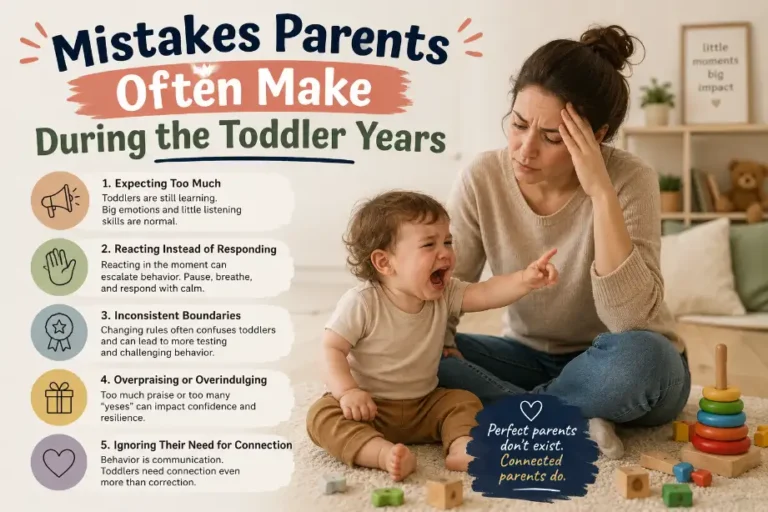
Behavior often reflects emotions. A tantrum may signal hunger, tiredness, frustration, or sadness.
Parents should look beyond the behavior and identify the underlying feeling.
Interrupting Constantly
Toddlers need opportunities to express themselves. Interrupting can discourage communication.
Allow children to finish their thoughts, even if they speak slowly or use incomplete sentences.
Building Strong Communication Habits Every Day
Daily routines offer many chances to strengthen communication.
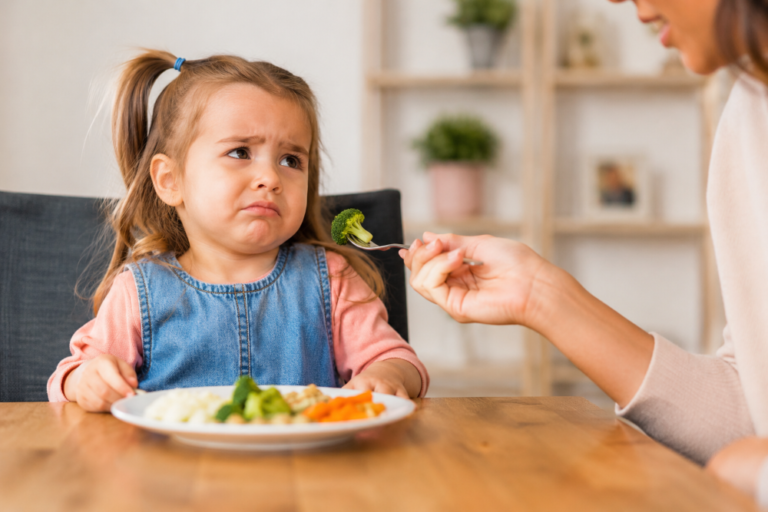
During Meals
Meal times create natural conversations.
Parents can:
- Talk about food colors and shapes.
- Ask simple questions.
- Encourage toddlers to describe preferences.
During Playtime
Play helps children express thoughts and emotions.
Communication activities include:
- Pretend play
- Building blocks
- Singing songs
- Storytelling games
Play-based conversations feel enjoyable and stress-free.
During Bedtime
Bedtime provides a quiet setting for meaningful interaction.
Parents can:
- Discuss the day’s events.
- Read stories together.
- Ask about favorite moments.
- Talk about tomorrow’s plans.
These conversations strengthen emotional connections.
How Effective Communication Supports Toddler Development
Strong communication skills contribute to several areas of child development.
Language Development
Regular conversations expose toddlers to new vocabulary and sentence structures. Children learn language through repeated interactions with caregivers.
Emotional Growth
When parents acknowledge feelings, children learn emotional awareness and self-expression.
Social Skills
Toddlers who experience respectful communication often develop stronger social abilities. They learn sharing, cooperation, and empathy through daily interactions.
Confidence and Independence
Children gain confidence when adults listen and respond positively. They feel capable of expressing needs, opinions, and emotions.
Creating a Positive Communication Environment at Home
A supportive environment encourages open communication.
Parents can create this atmosphere by:
- Limiting distractions during conversations.
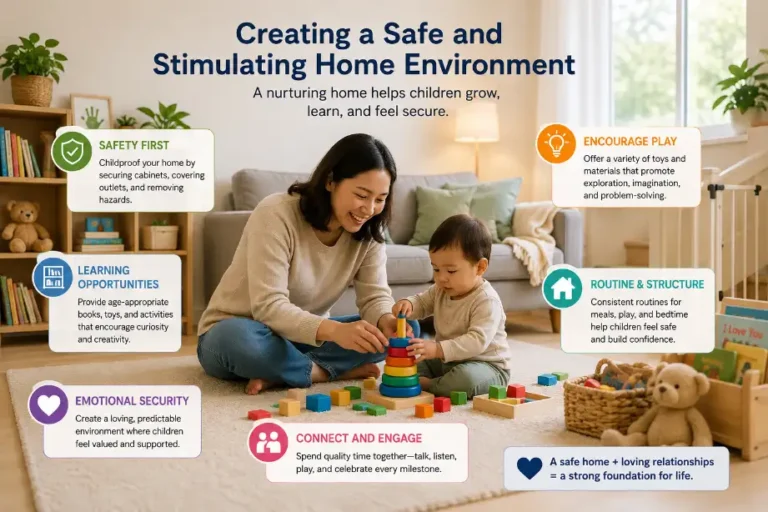
- Maintaining predictable routines.
- Responding calmly to mistakes.
- Encouraging questions.
- Celebrating communication efforts.
Children thrive when they feel safe expressing themselves without fear of criticism.
Conclusion
Effective communication strategies for parents of toddlers create stronger relationships and support healthy development. Simple language, active listening, emotional validation, and positive guidance help children understand and express themselves more effectively. Consistent communication builds trust and reduces daily conflicts. Parents who remain patient and attentive give toddlers the confidence to share thoughts and feelings openly. Small communication improvements made each day can lead to lasting benefits for both parent and child. A supportive and respectful approach helps toddlers develop language skills, emotional awareness, and social confidence while strengthening family connections.
F.A.Q
Why is communication important for toddlers?
Communication helps toddlers develop language, emotional understanding, and social skills.
How can parents improve communication with toddlers?
Parents can use simple language, active listening, and positive responses.
What should parents do during toddler tantrums?
Stay calm, acknowledge feelings, and communicate with clear, gentle words.
How does reading help toddler communication?
Reading increases vocabulary, listening skills, and parent-child interaction.
Should parents give toddlers choices?
Yes, simple choices encourage independence and cooperation.
How can parents teach emotional expression?
Parents can name emotions and discuss feelings during daily situations.
What is the biggest communication mistake with toddlers?
Giving long explanations or too many instructions at once often creates confusion.
When to get more help
Discuss persistent speech, language, hearing, or communication concerns—or any loss of skills—with a pediatric healthcare professional, speech-language pathologist, or audiologist.
Related reading
Sources
- CDC — Tips for Connecting and Communicating (consulted August 28, 2026).
- ASHA — Communication Milestones: 19 to 24 Months (consulted August 28, 2026).
- ASHA — Communication Milestones: 2 to 3 Years (consulted August 28, 2026).
Source note: These links support the developmental, safety, nutrition, sleep, or parenting guidance in this article. They do not replace individualized professional care.