Creating a Safer, Engaging Home for Toddlers
Last updated:
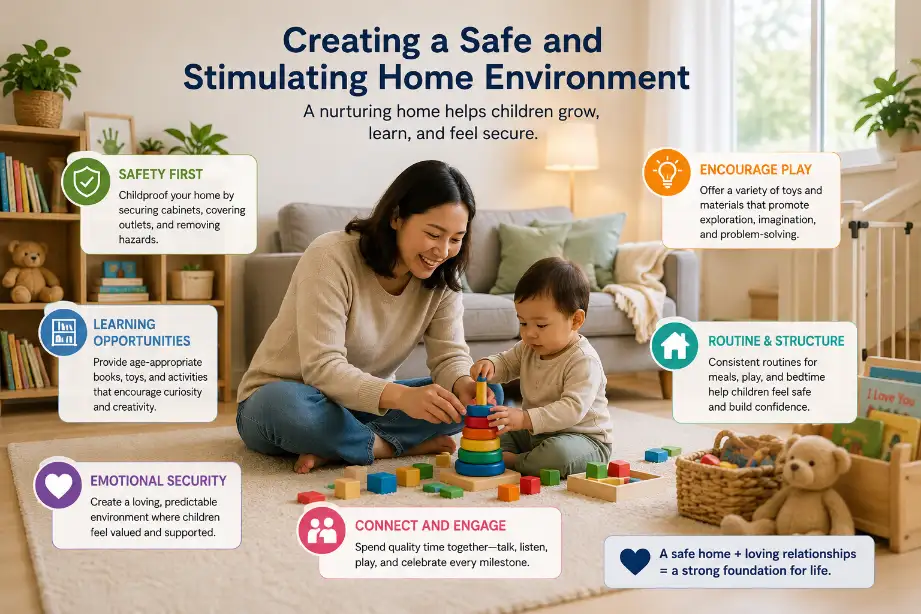
A home should offer more than shelter. It should provide safety, comfort, and opportunities for growth. Whether you live alone, with a partner, or with children, the environment inside your home affects physical health, emotional well-being, and daily productivity. A safe and stimulating home helps family members feel secure while encouraging learning, creativity, and positive habits. Small changes such as better organization, proper lighting, childproofing measures, and engaging activities can make a significant difference.
When people feel comfortable and inspired in their surroundings, they enjoy stronger relationships and a better quality of life. Creating a safe and stimulating home environment does not require a large budget. With thoughtful planning and consistent effort, anyone can build a living space that supports happiness, learning, and personal development.
Keep in mind: No home can be made risk-free. Safety changes as a child grows, moves, climbs, mouths objects, or uses adaptive equipment, so repeat a room-by-room check regularly.
Design for the child you have today
Creating a safe and stimulating home environment involves balancing protection with opportunities for growth. Every room should support safety while encouraging positive experiences and healthy activities.
Prioritize Home Safety
Safety forms the foundation of a healthy home. Without proper precautions, accidents and injuries can occur at any time.
Follow these safety practices:
- Install smoke detectors in key areas.
- Check electrical outlets and wiring regularly.
- Keep emergency contact numbers accessible.
- Store medicines in secure cabinets.
- Lock away hazardous chemicals.
- Use non-slip mats in bathrooms and kitchens.
- Secure heavy furniture to walls.
- Keep walkways clear of clutter.
These simple actions reduce risks and help create a secure living space for everyone.
Improve Indoor Air Quality
Clean air contributes to better health and comfort. Poor air quality can cause allergies, headaches, and breathing problems.
Ways to improve air quality include:
- Open windows daily for ventilation.
- Use air-purifying plants.
- Replace air filters regularly.
- Vacuum carpets and furniture often.
- Avoid indoor smoking.
- Control humidity levels to prevent mold growth.
Fresh air supports physical health and creates a more pleasant atmosphere.
Create Comfortable Living Spaces
Comfort encourages relaxation and reduces stress. Each room should serve its purpose while maintaining a welcoming feel.
Consider these ideas:
- Choose supportive furniture.
- Maintain comfortable room temperatures.
- Use soft lighting in relaxation areas.
- Add cushions and blankets for extra comfort.
- Keep spaces clean and organized.
Comfortable surroundings help family members unwind and enjoy their time at home.
Encourage Learning and Creativity
A stimulating environment supports mental development and creativity. Children and adults benefit from spaces that inspire curiosity and learning.
You can encourage learning by:
- Creating a reading corner.
- Providing books for different age groups.
- Displaying educational materials.
- Keeping art supplies available.
- Setting up a quiet study area.
Learning opportunities within the home help people develop new skills and interests.
Promote Physical Activity Indoors
Physical movement supports overall health and energy levels. Even small indoor activities can encourage an active lifestyle.
Examples include:
- Yoga or stretching sessions.
- Dance activities.
- Indoor obstacle courses for children.
- Exercise equipment in a dedicated area.
- Family fitness challenges.
Regular movement helps maintain physical and mental well-being.
Establish Clear Household Rules
Rules create structure and help maintain safety. Every household benefits from clear expectations.
Useful household rules may include:
- Clean up after activities.
- Store items in designated places.
- Follow safety guidelines.
- Respect shared spaces.
- Limit screen time when necessary.
Consistent rules create order and reduce conflicts among family members.
The Role of Organization in a Healthy Home
Organization affects both safety and productivity. A cluttered environment can increase stress and create hazards.
Benefits of an Organized Home
An organized home offers several advantages:
- Easier cleaning and maintenance.
- Reduced risk of accidents.
- Better focus and concentration.
- Faster access to important items.
- Improved overall appearance.
People often feel calmer and more productive in organized spaces.
Simple Organization Strategies
Use these methods to keep your home organized:
- Declutter regularly.
- Use storage bins and shelves.
- Label containers clearly.
- Donate unused items.
- Create daily cleaning routines.
These habits prevent clutter from accumulating and help maintain a tidy environment.
Creating a Positive Emotional Atmosphere
Safety involves emotional well-being as much as physical protection. A positive atmosphere strengthens family bonds and supports mental health.
Encourage Open Communication
Family members should feel comfortable expressing thoughts and concerns.
Ways to support communication include:
- Hold regular family discussions.
- Listen without interruption.
- Show respect for different opinions.
- Address conflicts calmly.
- Celebrate achievements together.
Strong communication builds trust and understanding.
Reduce Stress in the Home
High stress levels can affect relationships and health. Creating a peaceful environment helps everyone feel more comfortable.
Stress-reducing ideas include:
- Maintaining daily routines.
- Keeping living areas clean.
- Playing calming music.
- Creating quiet spaces for relaxation.
- Limiting unnecessary distractions.
A peaceful atmosphere supports emotional stability and happiness.
Designing Child-Friendly Spaces
Families with children should create spaces that balance safety and development.
Child Safety Essentials
Protect children by:
- Covering electrical outlets.
- Installing safety gates where needed.
- Securing sharp objects.
- Using corner protectors on furniture.
- Keeping choking hazards out of reach.
These precautions help prevent common household injuries.
Supporting Child Development
Children learn through play and exploration. Their environment should encourage healthy growth.
Provide:
- Age-appropriate toys.
- Creative play areas.
- Educational games.
- Reading materials.
- Opportunities for independent activities.
Children thrive when they have safe opportunities to learn and explore.
Using Technology Wisely at Home
Technology can support learning and entertainment when used responsibly.
Benefits of Technology
Positive uses of technology include:
- Online learning resources.
- Educational applications.
- Virtual communication with family.
- Creative projects and hobbies.
Technology can support development when used in moderation.
Setting Healthy Technology Boundaries
Maintain balance by:
- Establishing screen-time limits.
- Encouraging offline activities.
- Monitoring online content.
- Creating device-free family time.
- Promoting healthy sleep habits.
Balanced technology use supports both learning and well-being.
Conclusion
Creating a safe and stimulating home environment requires attention to safety, comfort, organization, and personal growth. Every part of the home should support physical security while encouraging learning, creativity, and positive relationships. Small improvements such as reducing clutter, improving air quality, setting household rules, and providing engaging activities can create lasting benefits.
Families, children, and individuals all gain from a home that promotes both protection and development. By making thoughtful choices and maintaining healthy habits, anyone can create a welcoming space that supports happiness, productivity, and long-term well-being.
F.A.Q
Why is a safe home environment important?
A safe home reduces accidents and helps people feel secure.
How can I make my home more stimulating for children?
Provide books, creative activities, educational games, and safe play areas.
What are the easiest ways to improve home safety?
Install smoke detectors, secure furniture, and store hazardous items safely.
How does organization contribute to home safety?
Organization reduces clutter and lowers the risk of trips and falls.
Can a stimulating home benefit adults too?
Yes, it encourages learning, creativity, productivity, and emotional well-being.
How can I improve indoor air quality naturally?
Open windows regularly and use air-purifying plants.
What role does communication play in a healthy home?
Open communication builds trust, strengthens relationships, and reduces conflicts.
When to get more help
Use product instructions and current recall information. For urgent poisoning, injury, fire, drowning, or breathing concerns, contact local emergency services or the relevant poison-control service immediately.
Related reading
Sources
- CPSC — Childproofing Your Home (consulted August 28, 2026).
- NHTSA — Car Seats and Booster Seats (consulted August 28, 2026).
- CDC — Choking Hazards (consulted August 28, 2026).
Source note: These links support the developmental, safety, nutrition, sleep, or parenting guidance in this article. They do not replace individualized professional care.