Sensory Play Ideas That Support Early Learning
Last updated:
Children learn about the world through their senses from the moment they are born. They touch, smell, hear, see, and taste different things to understand how everything works around them. Sensory play gives children opportunities to use these senses in fun and meaningful ways. Parents, caregivers, and teachers often use sensory activities to build important early learning skills while keeping children engaged and curious.
These activities help young children strengthen their language abilities, improve motor skills, develop problem-solving skills, and increase creativity. Sensory play does not require expensive materials or complicated setups.
Keep in mind: Children can seek, avoid, or respond differently to sound, touch, movement, smell, and mess. Participation should never be forced; offer alternatives and respect signs of discomfort.
Simple household items can create valuable learning experiences that support healthy development and encourage children to discover new ideas through hands-on exploration.
Sensory play should be optional and adaptable
Sensory play supports brain development and helps children build connections between experiences and learning. The following ideas encourage children to learn while having fun.
Water Play for Science and Motor Skills
Water play offers endless opportunities for learning. Children can pour, scoop, and measure water while developing hand-eye coordination and fine motor skills.
Activities include:
- Filling containers of different sizes
- Floating and sinking experiments
- Using funnels and cups
- Washing toy animals or vehicles
Children learn basic science concepts such as volume, weight, and cause-and-effect relationships through these simple activities.
Sensory Bins for Discovery
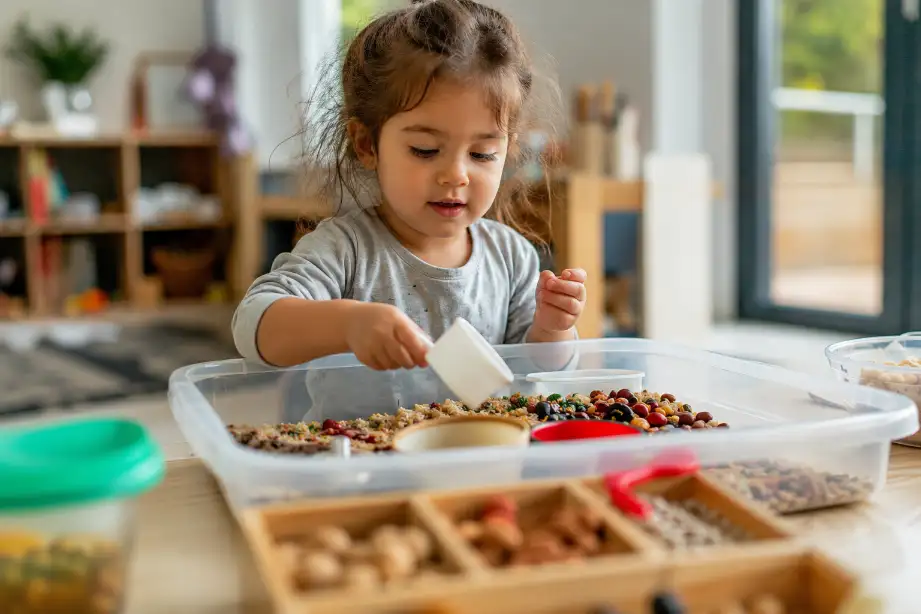
Sensory bins provide hands-on experiences that encourage exploration. Fill a large container with materials that match a learning theme.
Popular sensory bin fillers include:
- Rice
- Dried beans
- Sand
- Water beads
- Shredded paper
Add objects such as letters, numbers, toy animals, or shapes. Children can search, sort, count, and identify items while developing cognitive skills.
Play Dough Activities for Creativity
Play dough strengthens hand muscles and encourages imaginative thinking. Children can squeeze, roll, flatten, and shape the dough into different forms.
Learning ideas with play dough:
- Create alphabet letters.
- Form numbers and count objects.
- Build simple shapes.
- Make animals and tell stories.
These activities support language development, early literacy, and fine motor growth.
Finger Painting for Artistic Expression
Finger painting allows children to experience different textures while expressing their creativity. The direct contact with paint helps children develop sensory awareness and coordination.
Benefits include:
- Color recognition
- Creative thinking
- Hand control
- Emotional expression
Parents and teachers can ask questions about colors and shapes to encourage conversation during the activity.
Nature-Based Sensory Play
Natural materials create rich sensory experiences and help children connect with the environment.
Items children can collect include:
- Leaves
- Stones
- Flowers
- Pinecones
- Sticks
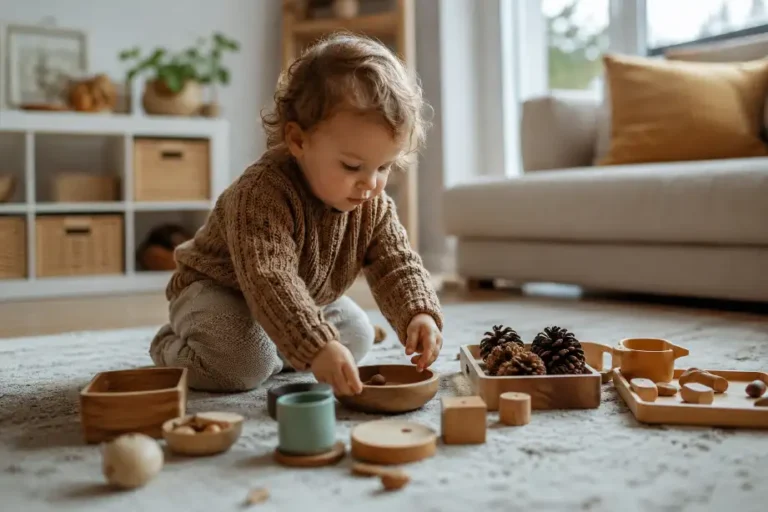
Children can sort these materials by size, color, or texture. This activity encourages observation skills and introduces basic science concepts.
Sound Exploration Activities
Listening activities help children strengthen auditory processing skills.
Try these ideas:
- Musical instruments
- Nature sound recordings
- Homemade shakers
- Rhythm games
Children learn to recognize patterns, identify sounds, and improve concentration through active listening.
Sensory Storytelling
Storytelling becomes more engaging when children interact with sensory materials connected to the story.
Examples include:
- Cotton balls for clouds
- Sand for desert scenes
- Water for ocean stories
- Leaves for forest adventures
This approach improves comprehension and keeps children actively involved in the learning process.
Benefits of Sensory Play for Early Childhood Development
Sensory play supports many areas of development at the same time. Children gain valuable skills through repeated hands-on experiences.
Supports Cognitive Growth
Children learn by experimenting and observing results. Sensory activities encourage questioning, predicting, and problem-solving.
Examples include:
- Testing which objects float
- Sorting materials by color
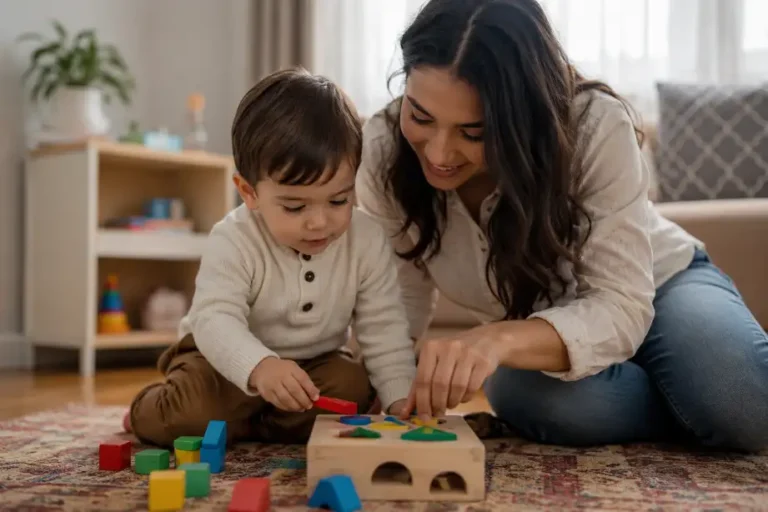
- Building structures with blocks
These experiences strengthen critical thinking skills.
Builds Language Skills
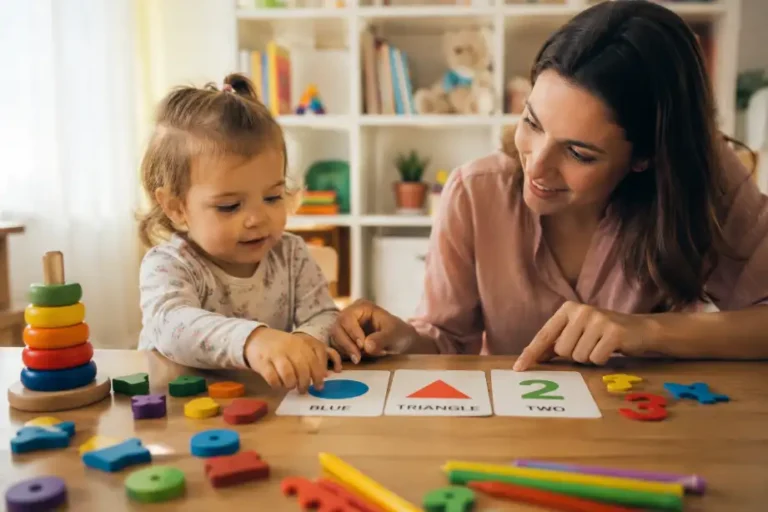
Children often describe what they see, feel, and hear during sensory activities. Adults can introduce new vocabulary during play sessions.
Useful descriptive words include:
- Soft
- Rough
- Sticky
- Smooth
- Heavy
- Light
Regular conversations during play help expand vocabulary and communication skills.
Improves Fine Motor Skills
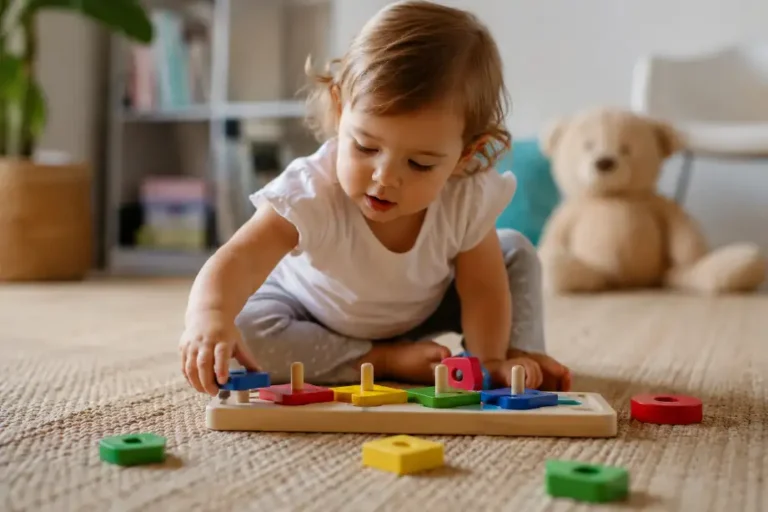
Many sensory activities require children to use small muscles in their hands and fingers.
Activities that support fine motor development include:
- Scooping rice
- Rolling play dough
- Picking up small objects
- Pouring water
Strong fine motor skills prepare children for writing and other classroom tasks.
Encourages Social Development
Group sensory activities teach children how to interact with others. They learn to:
- Share materials
- Take turns
- Communicate ideas
- Work together
These experiences support positive social relationships and teamwork.
Promotes Emotional Regulation
Sensory play often has a calming effect on children. Activities such as playing with sand, water, or dough help children relax and focus.
Children can:
- Release energy
- Manage frustration
- Improve concentration
- Express emotions safely
Regular sensory experiences can support emotional well-being.
How to Create a Successful Sensory Play Environment
A well-planned sensory space helps children gain the most from their activities.
Choose Age-Appropriate Materials
Select materials that match the child’s developmental stage. Avoid small items for very young children and always supervise play sessions.
Keep Activities Simple
Children often enjoy simple experiences more than complicated setups. Focus on one learning objective at a time.
Encourage Open-Ended Exploration
Allow children to discover and experiment without strict instructions. Open-ended play supports creativity and independent thinking.
Ask Thoughtful Questions
Questions encourage deeper learning.
Examples include:
- What does this texture feel like?
- Why do you think this object floats?
- What happens if you mix these colors?
These conversations help children think critically and build language skills.
Rotate Materials Regularly
Changing materials keeps activities fresh and interesting. New textures, colors, and objects encourage continued curiosity and engagement.
Common Mistakes to Avoid During Sensory Play
Some adults unintentionally limit learning opportunities during sensory activities.
Avoid these common mistakes:
- Giving too many instructions
- Correcting every action
- Rushing the activity
- Focusing only on the final result
- Ignoring the child’s interests
Children learn best when they feel free to experiment and make discoveries on their own.
Conclusion
Sensory play ideas that support early learning provide children with valuable opportunities to grow and develop through hands-on experiences. Activities such as water play, sensory bins, finger painting, nature exploration, and sound discovery help children strengthen cognitive, social, emotional, and motor skills. These experiences encourage curiosity, creativity, and confidence while making learning enjoyable.
Parents, caregivers, and educators can create meaningful learning moments with simple materials and thoughtful guidance. By offering regular sensory play opportunities, adults help children build a strong foundation for future learning and development while fostering a lifelong love of discovery.
F.A.Q
What is sensory play?
Sensory play includes activities that engage a child’s senses to support learning and development.
At what age can children start sensory play?
Children can begin age-appropriate sensory activities during infancy with adult supervision.
How does sensory play support learning?
It helps children build cognitive, language, motor, and social skills through hands-on experiences.
Are sensory bins safe for toddlers?
Yes, when adults supervise closely and use materials suitable for the child’s age.
How often should children participate in sensory play?
Children can benefit from sensory activities several times each week.
Can sensory play improve fine motor skills?
Yes, many sensory activities strengthen hand and finger muscles through active movement.
Do sensory activities require expensive materials?
No, many effective sensory play activities use simple household and natural materials.
When to get more help
Avoid choking hazards, water beads, unsafe chemicals, and allergen exposures; supervise water and messy play continuously and choose materials appropriate to the child.
Related reading
Sources
- CDC — Milestones by 2 Years (consulted August 28, 2026).
- CPSC — Childproofing Your Home (consulted August 28, 2026).
- CDC — Choking Hazards (consulted August 28, 2026).
Source note: These links support the developmental, safety, nutrition, sleep, or parenting guidance in this article. They do not replace individualized professional care.