Screen-Free Learning Activities for Curious Toddlers
Last updated:
Toddlers learn about the world through movement, touch, observation, and play. While digital devices often attract attention, young children gain stronger hands-on experiences when they interact directly with people, objects, and their surroundings. Screen-free activities encourage creativity, problem-solving, communication, and physical development in ways that support healthy growth.
Parents often look for simple ways to keep toddlers engaged without relying on phones, tablets, or television. The good news is that meaningful learning does not require expensive toys or complicated plans. Everyday household items, outdoor spaces, and simple games can create exciting opportunities for discovery. With the right activities, curious toddlers can stay entertained while building important skills that support their development during these early years.
Keep in mind: Screen use is only one part of family life. This guide offers alternatives without blaming caregivers and recognizes differences in work, disability, access, culture, and household routines.
Screen-free time can be simple and flexible
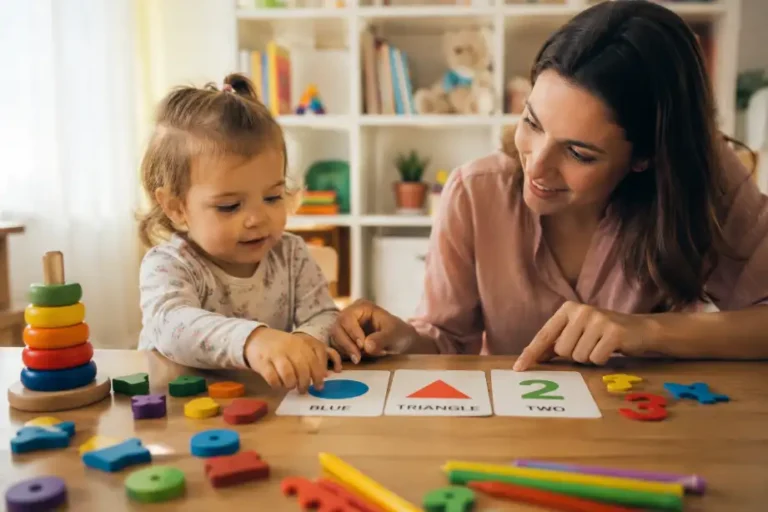
Screen-Free Learning Activities for Curious Toddlers help children develop language, motor skills, creativity, and confidence through active participation. These activities encourage exploration while creating valuable bonding moments with parents and caregivers.
Sensory Play Activities
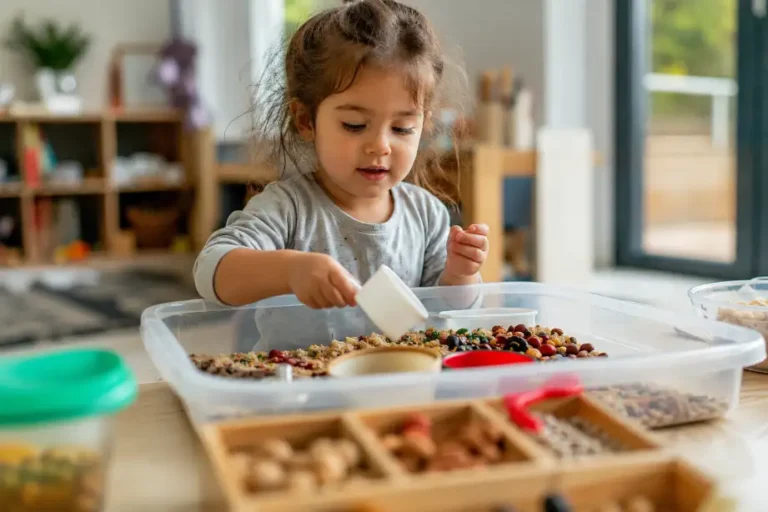
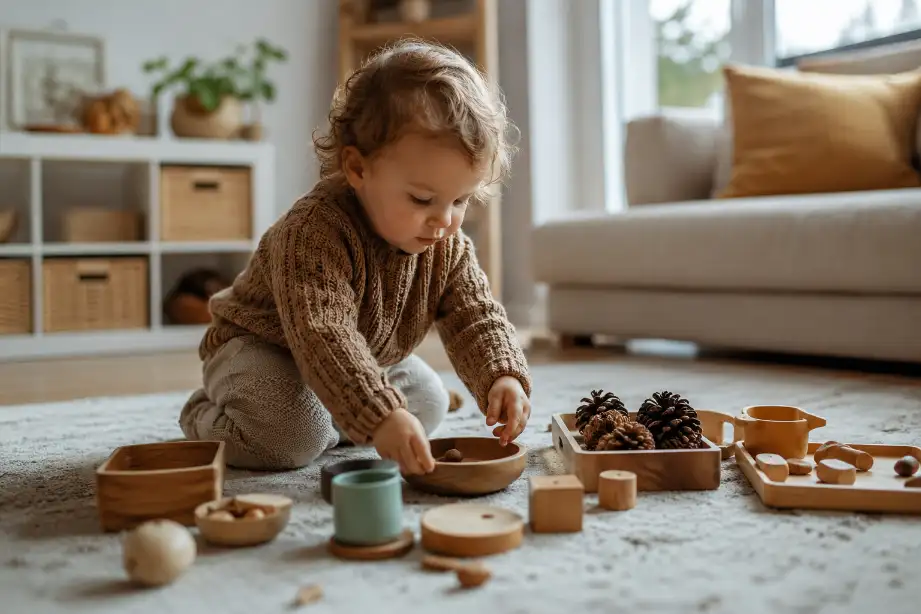
Sensory play allows toddlers to learn through touch, smell, sight, and sound. It helps them understand different textures and materials.
Popular sensory activities include:
- Water play with cups and containers
- Rice or pasta sensory bins
- Sand play
- Playdough creations
- Foam and bubble exploration
Always supervise toddlers during sensory activities and choose materials that match their age.
Storytelling and Reading Time
Reading introduces new words and ideas while strengthening listening skills.
Ways to make reading exciting:
- Use different voices for characters.
- Ask simple questions about the story.
- Let your toddler turn the pages.
- Encourage them to point at pictures.
- Create stories together using images.
Regular reading sessions support language development and imagination.
Building and Construction Games
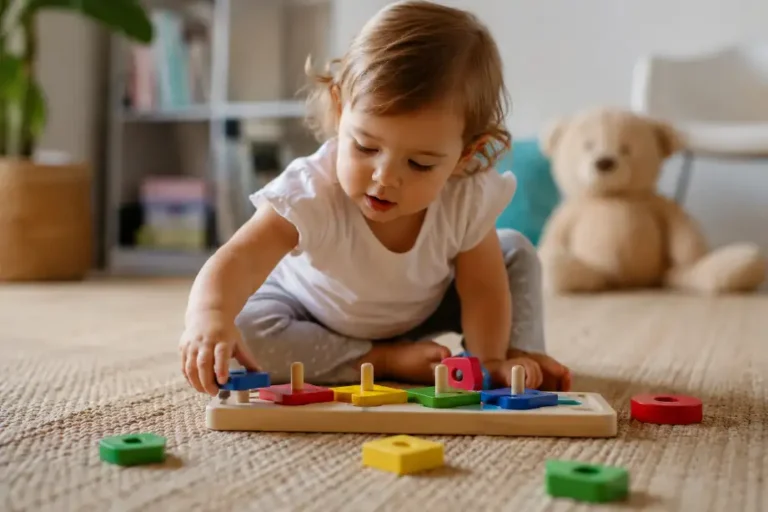
Building activities encourage critical thinking and hand-eye coordination.
Great options include:
- Wooden blocks
- Magnetic tiles
- Stacking cups
- Cardboard boxes
- Large building bricks
Toddlers enjoy experimenting with different shapes and structures while learning about balance and size.
Arts and Crafts Projects
Creative projects help toddlers express ideas and improve fine motor skills.
Simple craft ideas include:
- Finger painting
- Crayon drawing
- Sticker art
- Paper tearing and gluing
- Sponge painting
Focus on the creative process instead of the final result. Toddlers learn more when they freely experiment.
Nature Exploration
Outdoor environments offer endless learning opportunities.
Activities to try:
- Collecting leaves
- Watching birds
- Looking for insects
- Planting seeds
- Exploring different flowers
Nature introduces children to colors, shapes, sounds, and living things in a natural setting.
Music and Movement Games
Music encourages physical activity and supports memory development.
Fun ideas include:
- Dancing to songs
- Clapping games
- Musical instruments
- Freeze dance
- Action songs
Movement-based activities help toddlers develop coordination while having fun.
Pretend Play Adventures
Imaginative play supports social and emotional growth.
Popular pretend play themes:
- Grocery store
- Doctor’s office
- Restaurant
- Farm animals
- Kitchen cooking
Pretend play helps toddlers understand daily routines and express emotions.
Benefits of Screen-Free Learning for Toddlers
Screen-free learning offers many developmental benefits that support healthy childhood growth.
Improves Communication Skills
Toddlers learn language through conversations, storytelling, and interactive play. Direct communication helps them understand words, expressions, and social cues more effectively.
Supports Physical Development
Many screen-free activities involve movement, grasping, stacking, drawing, and climbing. These actions strengthen muscles and improve coordination.
Encourages Independent Thinking
Children face small challenges during hands-on activities. They learn to solve problems, make decisions, and test ideas through trial and error.
Builds Strong Family Connections
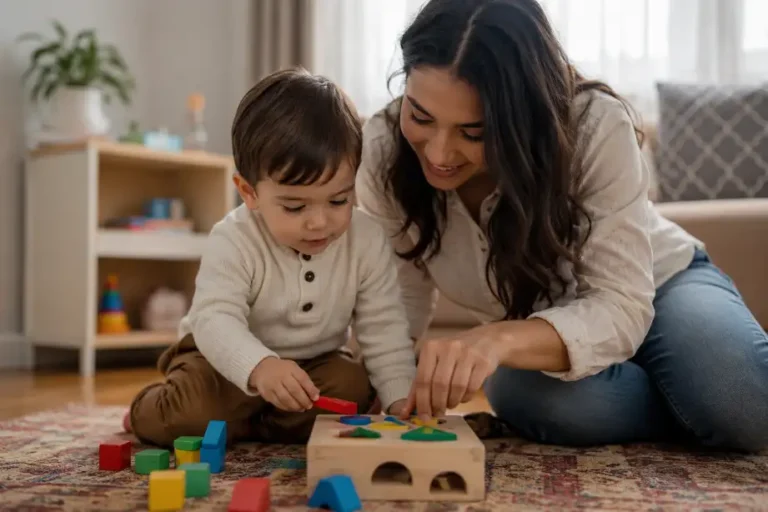
Shared activities create meaningful interactions between parents and children. These experiences strengthen trust and emotional security.
Increases Attention Span
Hands-on play often requires concentration and patience. Toddlers gradually learn to stay focused on tasks for longer periods.
Easy Indoor Screen-Free Activities
Weather conditions sometimes limit outdoor play. Indoor learning activities can keep toddlers engaged throughout the day.
Treasure Hunt
Hide simple objects around the room and give clues. Toddlers enjoy searching and discovering hidden items.
Sorting Games
Provide objects of different colors, sizes, or shapes.
Examples include:
- Sorting buttons by color
- Grouping blocks by shape
- Matching socks
Sorting activities strengthen observation skills.
Obstacle Course
Use pillows, cushions, and safe household items to create a simple obstacle course.
Toddlers can:
- Crawl under tables
- Step over pillows
- Walk along taped lines
These activities promote balance and body awareness.
Kitchen Learning Activities
The kitchen offers many learning opportunities.
Allow toddlers to:
- Wash vegetables
- Stir ingredients
- Sort fruits
- Count spoons
These simple tasks build confidence and practical skills.
Outdoor Screen-Free Learning Ideas
Outdoor experiences expose toddlers to new sights, sounds, and textures.
Garden Exploration
A small garden teaches children about plant growth and responsibility.
Activities include:
- Watering plants
- Digging soil
- Collecting flowers
- Watching seeds grow
Sidewalk Chalk Fun
Chalk activities encourage creativity and movement.
Toddlers can:
- Draw shapes
- Practice letters
- Create simple games
- Trace objects
Nature Scavenger Hunt
Create a list of items to find:
- A green leaf
- A small rock
- A flower
- A stick
- A feather
This activity improves observation skills and keeps children active.
Bubble Play
Bubbles create excitement while supporting coordination.
Children can:
- Chase bubbles
- Pop bubbles
- Count bubbles
- Blow bubbles with assistance
Creating a Balanced Daily Routine
A structured routine helps toddlers stay engaged throughout the day.
Consider including:
- Reading time
- Outdoor play
- Creative activities
- Free play
- Music sessions
- Family interaction
Rotating activities prevents boredom and keeps learning enjoyable.
Parents do not need to schedule every minute. A flexible routine often works better because toddlers thrive when they have room for spontaneous play and discovery.
Conclusion
Screen-Free Learning Activities for Curious Toddlers provide meaningful ways for children to learn through direct experiences. Activities such as reading, sensory play, outdoor exploration, music, and creative projects encourage healthy development across many areas. These experiences strengthen communication skills, motor abilities, creativity, and problem-solving. Parents can create engaging learning opportunities using simple materials already available at home.
Consistent screen-free play also supports stronger family connections and encourages curiosity about the world. By offering a variety of hands-on activities, caregivers can help toddlers build important skills while making learning enjoyable, active, and memorable every day.
F.A.Q
What are screen-free learning activities for toddlers?
Activities that teach skills through play, movement, exploration, and interaction without digital devices.
Why are screen-free activities important for toddlers?
They support physical, social, emotional, and cognitive development through hands-on experiences.
How much screen-free play should toddlers have daily?
Toddlers benefit from several hours of active play and interaction throughout the day.
Can household items become learning tools?
Yes, many everyday items can support counting, sorting, building, and creative play.
What is the best outdoor learning activity for toddlers?
Nature exploration offers simple and engaging learning opportunities for young children.
How does reading help toddlers learn?
Reading improves vocabulary, listening skills, imagination, and early language development.
Do screen-free activities help improve attention span?
Yes, hands-on activities encourage focus and sustained engagement over time.
When to get more help
Match supervision and materials to the child; keep small parts, cords, water, furniture, and outdoor hazards out of reach or under direct adult control.
Related reading
Sources
- CDC — Positive Parenting Tips: Toddlers (2–3 years) (consulted August 28, 2026).
- CDC — Milestones by 2 Years (consulted August 28, 2026).
- CPSC — Childproofing Your Home (consulted August 28, 2026).
Source note: These links support the developmental, safety, nutrition, sleep, or parenting guidance in this article. They do not replace individualized professional care.