How to Explore Colors, Shapes, and Numbers with Toddlers
Last updated:
Toddlers learn through play, observation, and repetition. During the early years, children develop basic skills that support future learning. Parents and caregivers often look for simple ways to introduce colors, shapes, and numbers without making lessons feel difficult or boring. The good news is that toddlers already encounter these concepts every day. Toys, books, food, clothing, and outdoor activities create many learning opportunities.
Children respond well when adults turn ordinary moments into fun learning experiences. A colorful ball can teach colors, building blocks can teach shapes, and counting steps can introduce numbers. Consistent practice helps toddlers recognize patterns and remember new information. With patience and creativity, parents can build a strong foundation for early learning while keeping activities enjoyable and engaging.
Keep in mind: Toddlers learn concepts through repeated experience, conversation, and play. Naming colors, shapes, or numbers on demand is not a measure of intelligence or school readiness.
Keep early concepts playful and concrete
Teaching colors, shapes, and numbers works best when learning feels natural. Toddlers learn faster when they interact with objects and participate in hands-on activities.
Start With One Concept at a Time
Avoid introducing too many concepts at once. Focus on one color, shape, or number before moving to another.
Examples include:
- Teach red before introducing other colors.
- Teach circles before adding squares and triangles.
- Count from one to three before teaching larger numbers.
This approach helps toddlers understand each concept clearly.
Use Everyday Objects
Daily activities offer countless teaching opportunities.
For colors:
- Point out a red apple.
- Show a yellow banana.
- Identify a blue shirt.
For shapes:
- Find circular plates.
- Identify square windows.
- Look for rectangular books.
For numbers:
- Count toys during cleanup.
- Count stairs while climbing.
- Count pieces of fruit during snack time.
Children learn better when they connect lessons to familiar objects.
Teach Colors Through Play
Color recognition becomes easier when children interact with colorful materials.
Fun color activities include:
- Sorting colored blocks into matching groups.
- Matching crayons to colored paper.
- Playing color scavenger hunts.
- Painting with different colors.
- Identifying colors during walks.
Ask simple questions such as:
- “Can you find the blue block?”
- “Which flower is yellow?”
These questions encourage active participation.
Teach Shapes With Hands-On Activities
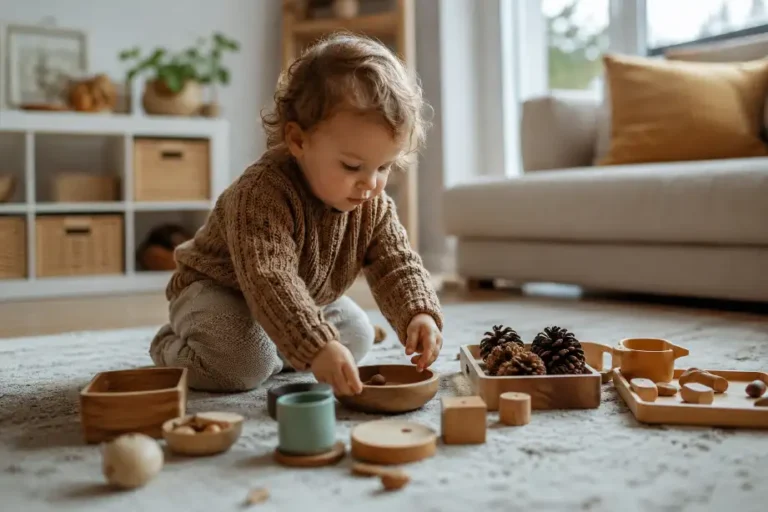
Toddlers understand shapes better when they can touch and manipulate objects.
Useful shape activities include:
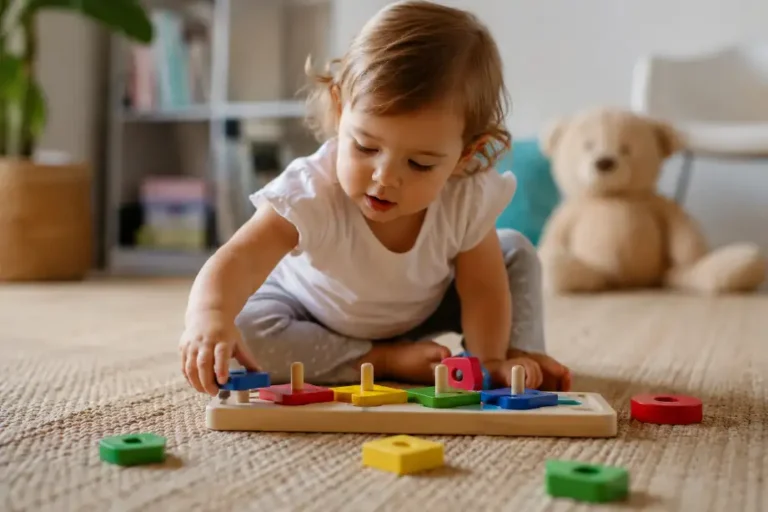
- Shape puzzles.
- Building blocks.
- Shape-sorting toys.
- Drawing basic shapes.
- Cutting shapes from colored paper.
You can also create shape hunts around the house. Ask your toddler to find something round, square, or rectangular.
Teach Numbers Through Daily Routines
Number learning starts with counting real objects.
Simple counting activities include:
- Counting fingers and toes.
- Counting snacks.
- Counting toys in a basket.
- Counting birds outside.
- Counting books on a shelf.
Keep counting sessions short and fun. Repetition helps toddlers remember numbers.
Use Songs and Rhymes
Music captures a toddler’s attention and supports memory.
Popular learning songs often include:
- Counting songs.
- Color songs.
- Shape songs.
Children often remember lyrics faster than spoken instructions. Singing during playtime makes learning enjoyable.
Read Educational Books
Books introduce colors, shapes, and numbers in a visual format.
Choose books that feature:
- Bright illustrations.
- Large numbers.
- Simple shapes.
- Clear color examples.
While reading, point to pictures and ask questions about what your child sees.
Encourage Repetition
Toddlers need repeated exposure to new concepts.
Repeat activities regularly:
- Count objects every day.
- Review colors during meals.
- Identify shapes during walks.
Frequent practice strengthens memory and understanding.
Fun Activities for Teaching Colors
Color recognition develops gradually. Engaging activities can speed up the learning process.
Color Sorting Games
Provide objects in different colors and ask your toddler to group matching items together.
Examples include:
- Colored pom-poms.
- Building blocks.
- Plastic cups.
- Toy cars.
Color Matching Cards
Create simple cards with different colors and ask your child to match objects to the correct card.
Rainbow Art Projects
Art activities encourage children to interact with many colors at once.
Ideas include:
- Finger painting.
- Coloring books.
- Sticker art.
- Tissue paper collages.
Creative activities help reinforce color names naturally.
Effective Ways to Teach Shapes
Shape recognition supports problem-solving and spatial awareness.
Shape Hunt Around the House
Walk through your home and identify shapes together.
Examples:
- Clock = Circle
- Window = Square
- Door = Rectangle
This activity helps children recognize shapes in real-life settings.
Build Shapes With Blocks
Use building blocks to create simple shapes.
Children can:
- Build squares.
- Create rectangles.
- Form triangles.
Physical interaction helps toddlers understand shape structures.
Draw Shapes Together
Sit with your child and draw basic shapes repeatedly.
Start with:
- Circle
- Square
- Triangle
- Rectangle
Praise effort and participation rather than perfect drawings.
Simple Strategies for Teaching Numbers
Early number skills build confidence for future math learning.
Count During Everyday Activities
Daily counting creates natural learning opportunities.
Count:
- Shoes near the door.
- Apples in a bowl.
- Cars in the driveway.
- Birds in the park.
Frequent counting helps children connect numbers with quantities.
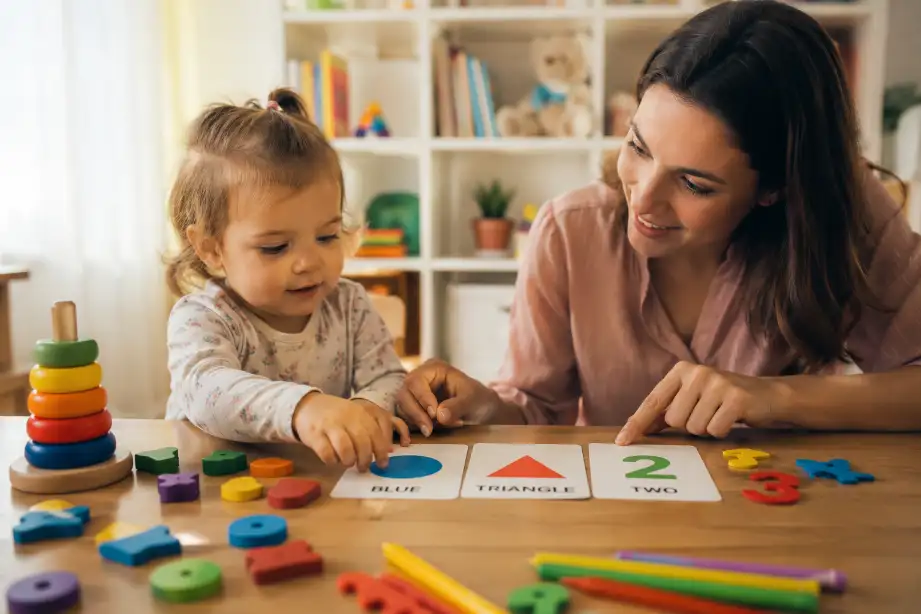
Use Number Flashcards
Large, colorful flashcards help toddlers recognize number symbols.
Show one card at a time and count matching objects together.
Play Number Games
Fun games make number learning exciting.
Examples include:
- Tossing bean bags and counting throws.
- Rolling dice and counting dots.
- Matching numbers with objects.
- Number treasure hunts.
These activities keep children engaged while practicing counting skills.
Common Mistakes to Avoid When Teaching Toddlers
Parents sometimes make learning harder without realizing it.
Avoid these mistakes:
- Teaching too many concepts at once.
- Expecting immediate results.
- Turning learning into long lessons.
- Comparing children with others.
- Correcting every small mistake.
Each child learns at a different pace. Focus on steady progress and positive experiences.
Tips to Keep Toddlers Interested in Learning
Attention spans remain short during the toddler years.
Use these tips to maintain interest:
- Keep activities under 10 minutes.
- Switch activities often.
- Use toys and games.
- Offer praise and encouragement.
- Follow your child’s interests.
When learning feels enjoyable, toddlers stay engaged and eager to participate.
Conclusion
Teaching colors, shapes, and numbers to toddlers does not require complicated lessons or expensive materials. Everyday experiences provide excellent learning opportunities. Parents can use play, songs, books, counting activities, and simple conversations to introduce these early concepts.
Consistent practice helps children build confidence and understanding over time. Focus on making learning fun, interactive, and age-appropriate. Celebrate small achievements and allow your child to learn at their own pace. With patience, encouragement, and regular exposure, toddlers can develop strong early learning skills that prepare them for future success in school and daily life.
F.A.Q
At what age can toddlers start learning colors, shapes, and numbers?
Most toddlers begin recognizing basic concepts between 18 months and 3 years of age.
How long should learning activities last for toddlers?
Keep activities between 5 and 10 minutes to match their attention span.
What is the easiest way to teach colors?
Use everyday objects and repeat color names during daily routines.
Can songs help toddlers learn numbers?
Yes, counting songs help children remember numbers through repetition.
How can I teach shapes without special toys?
Use household objects such as plates, books, windows, and doors to identify shapes.
Should I teach colors, shapes, and numbers together?
Introduce concepts gradually and focus on one skill at a time when possible.
What should I do if my toddler loses interest?
Switch to a different activity and return to the lesson later.
When to get more help
Use large, sturdy materials, supervise closely, and adapt the activity if a child mouths objects or has sensory, vision, hearing, or movement needs.
Related reading
Sources
- CDC — Milestones by 2 Years (consulted August 28, 2026).
- CDC — Positive Parenting Tips: Toddlers (2–3 years) (consulted August 28, 2026).
Source note: These links support the developmental, safety, nutrition, sleep, or parenting guidance in this article. They do not replace individualized professional care.