Learning Games for 2-Year-Olds: Flexible Play Ideas
Last updated:
Parents often look for simple ways to support their child’s growth during the toddler years. At two years old, children learn quickly through play, observation, and daily activities. Learning games help them build language skills, improve coordination, strengthen memory, and develop problem-solving abilities. The right games keep toddlers engaged while introducing new concepts in a fun and natural way.
Children at this age enjoy colorful objects, movement, sounds, and hands-on experiences. They learn best when adults participate and encourage exploration. Choosing age-appropriate activities can make playtime both enjoyable and educational. This guide covers the best learning games for 2-year-olds, along with practical ideas that help support early development and keep young children entertained every day.
Keep in mind: A learning game does not need a score, a right answer, or a fixed outcome. Follow the child’s interest and adapt for language, movement, disability, neurodivergence, culture, and attention span.
Play is useful without becoming a lesson
Learning games give toddlers opportunities to practice important skills while having fun. These activities encourage curiosity and help children understand the world around them.
Shape Sorting Games
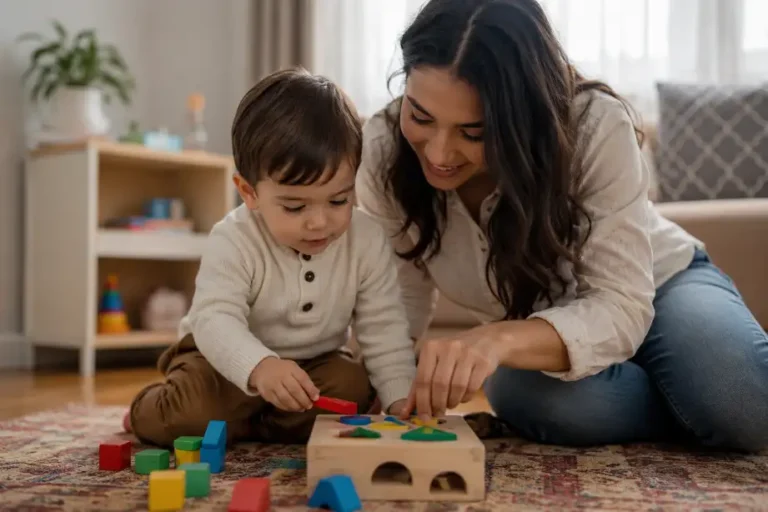
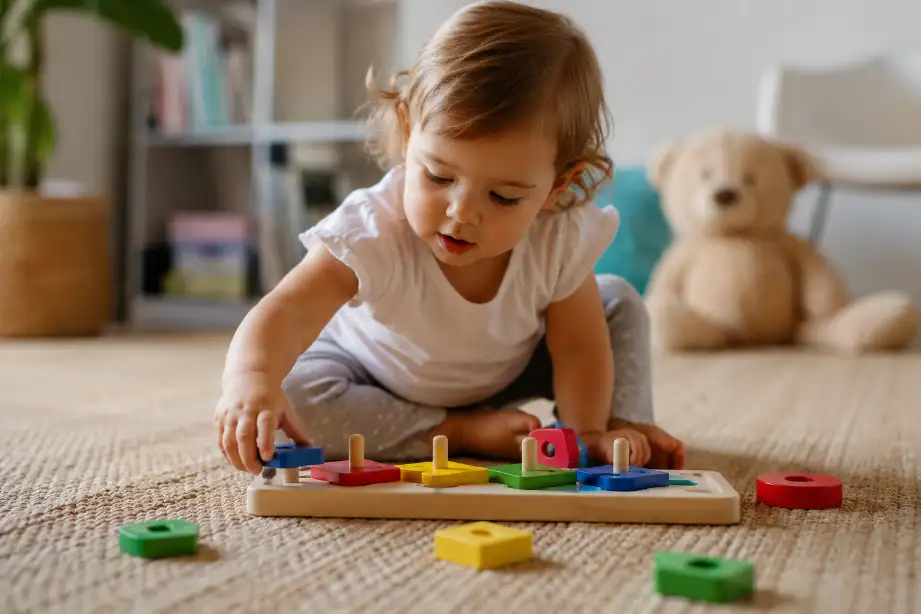
Shape sorting remains one of the most effective learning activities for toddlers. Children match shapes with corresponding spaces, which helps them recognize patterns and improve hand-eye coordination.
Benefits include:
- Shape recognition
- Fine motor skill development
- Problem-solving practice
- Improved concentration
Parents can use shape sorter toys or create simple cardboard shape-matching activities at home.
Color Matching Games
Color matching games teach toddlers to identify and group colors. You can use colored blocks, toys, balls, or household objects.
Simple activities include:
- Sorting colored blocks into groups
- Matching colored cards
- Finding objects with the same color around the house
- Placing toys into matching colored containers
These activities strengthen observation skills and early classification abilities.
Animal Sound Games
Toddlers enjoy animals and their sounds. Animal sound games help build vocabulary and listening skills.
You can:
- Show animal pictures and imitate sounds
- Ask children to identify animals by sound
- Use toy animals for interactive play
- Read animal-themed books together
This activity supports language development while keeping children entertained.
Stacking Block Games
Stacking blocks challenge toddlers to build towers and structures. Children learn about balance, size differences, and coordination.
Key benefits include:
- Better hand control
- Improved focus
- Early engineering concepts
- Creative thinking
Soft blocks, wooden blocks, and large stacking cups all work well for this age group.
Picture Matching Games
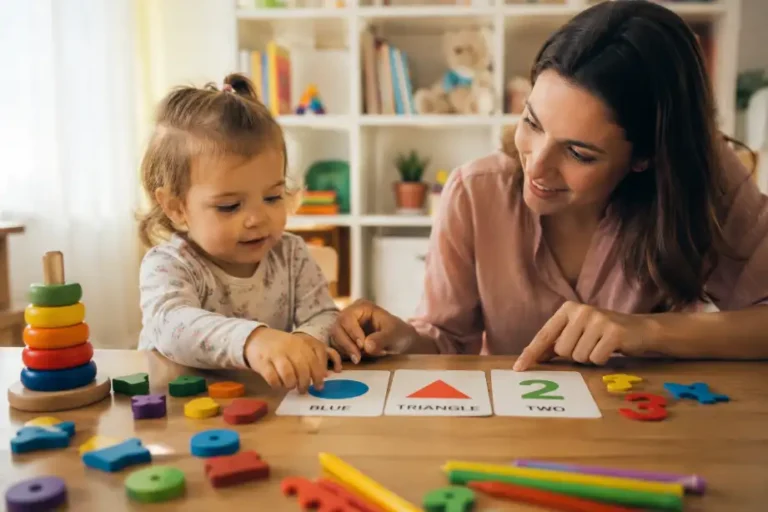
Picture matching games introduce memory-building skills. Use cards featuring simple images such as fruits, animals, or vehicles.
Start with a small number of cards and gradually increase the challenge as your child gains confidence.
Musical Learning Games
Music attracts toddlers because it combines sound, rhythm, and movement. Musical games help children develop listening skills and body coordination.
Popular options include:
- Clap-along games
- Freeze dance
- Musical instruments
- Action songs
Songs with repeated words also support language learning.
Counting Games
Two-year-olds can begin learning basic number concepts through simple counting activities.
Examples include:
- Counting blocks
- Counting steps
- Counting toys during cleanup
- Singing number songs
The goal involves introducing numbers in a fun and relaxed way rather than teaching formal math skills.
Puzzle Games
Large-piece puzzles work well for toddlers. These puzzles help children understand shapes, pictures, and spatial relationships.
Choose puzzles with:
- Bright colors
- Large handles
- Simple images
- Few pieces
Regular puzzle play strengthens patience and problem-solving abilities.
Benefits of Learning Games for Toddlers
Learning games provide much more than entertainment. They contribute to several areas of early childhood development.
Language Development
Many games encourage children to hear and repeat words. This process helps expand vocabulary and improve communication skills.
Activities that support language include:
- Story games
- Animal games
- Singing games
- Picture identification activities
Cognitive Growth
Games encourage children to think, compare, and make decisions. These experiences support brain development during a critical learning period.
Children develop:
- Memory
- Attention span
- Reasoning skills
- Pattern recognition
Physical Development
Many learning games involve movement and object manipulation. These activities strengthen both gross and fine motor skills.
Examples include:
- Stacking blocks
- Sorting objects
- Dancing
- Throwing soft balls
Social and Emotional Skills
Playing with parents, siblings, or other children teaches sharing, patience, and cooperation.
Children also learn:
- Taking turns
- Following simple instructions
- Expressing emotions
- Building confidence
How to Choose the Right Learning Games
Selecting suitable games helps toddlers stay interested and engaged.
Focus on Safety
Always choose toys and games made for toddlers. Avoid small parts that could create choking hazards.
Check for:
- Non-toxic materials
- Smooth edges
- Durable construction
- Age recommendations
Keep Activities Simple
Two-year-olds respond best to simple instructions and clear objectives. Games with too many rules can cause frustration.
Choose activities that involve:
- Basic matching
- Sorting
- Stacking
- Identifying objects
Encourage Hands-On Play
Toddlers learn by touching, moving, and experimenting. Physical interaction keeps them engaged and supports development.
Examples include:
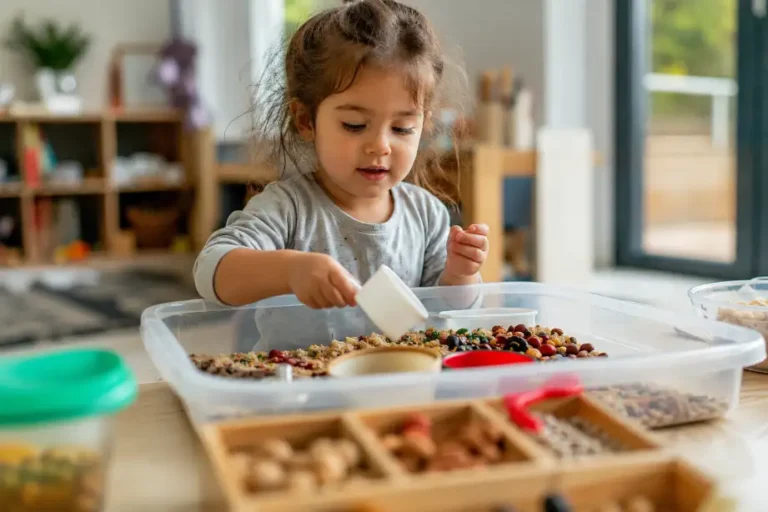
- Sensory bins
- Building blocks
- Sorting toys
- Interactive books
Rotate Activities
Children can lose interest when they play the same game every day. Rotating activities keeps learning fresh and exciting.
Store some toys away and reintroduce them after a few weeks.
Easy DIY Learning Games for 2-Year-Olds
You do not need expensive toys to create educational experiences. Many household items can become effective learning tools.
Sock Matching Game
Gather clean socks and ask your child to match pairs.
This activity teaches:
- Visual recognition
- Sorting skills
- Concentration
Treasure Basket Exploration
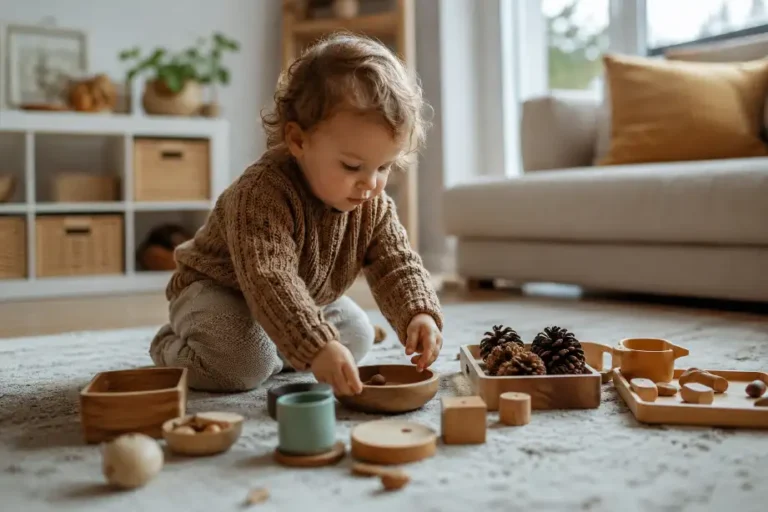
Fill a basket with safe household objects featuring different textures, shapes, and sizes.
Examples include:
- Wooden spoons
- Fabric pieces
- Plastic cups
- Soft brushes
Children enjoy discovering and comparing different objects.
Cup Stacking Challenge
Use plastic cups to create towers and simple structures.
This game supports:
- Hand-eye coordination
- Balance awareness
- Creative play
Object Hunt Game
Ask your child to find familiar items around the house.
Examples:
- A red toy
- A ball
- A spoon
- A stuffed animal
This activity improves listening and observation skills.
Screen-Free Learning Games for Better Development
Many parents prefer activities that do not involve screens. Screen-free games encourage direct interaction and active learning.
Great options include:
- Building blocks
- Pretend play
- Shape sorters
- Coloring activities
- Ball games
- Music and movement games
- Storytelling activities
These experiences help children stay physically active while building important developmental skills.
Conclusion
Learning games play an important role in a toddler’s growth and development. They help children build language skills, improve coordination, strengthen memory, and develop problem-solving abilities through enjoyable activities. The best learning games for 2-year-olds focus on simple tasks such as matching, sorting, counting, stacking, and exploring. Parents do not need expensive toys to create meaningful learning experiences.
Everyday household items can provide valuable opportunities for discovery and skill development. Consistent play, encouragement, and interaction help toddlers gain confidence while learning new concepts. By choosing age-appropriate games and participating in playtime, parents can create a positive environment that supports healthy growth and early learning.
F.A.Q
What are the best learning games for 2-year-olds?
Shape sorting, color matching, stacking blocks, puzzles, and counting games work very well.
How long should a 2-year-old play learning games each day?
Short sessions of 10 to 20 minutes several times a day usually work best.
Can learning games improve speech development?
Yes, games that involve words, sounds, songs, and conversations support language growth.
Are screen-free learning games better for toddlers?
Screen-free activities encourage active participation and direct interaction with people and objects.
What skills do toddlers gain from puzzle games?
Puzzle games build problem-solving skills, hand-eye coordination, and concentration.
Do learning games help social development?
Yes, group play teaches sharing, cooperation, and taking turns.
Can homemade games be educational?
Yes, many DIY activities teach matching, sorting, counting, and observation skills effectively.
When to get more help
Check every material for choking, entrapment, sharp-edge, and ingestion risks; supervise in a way that matches the child and activity.
Related reading
Sources
- CDC — Milestones by 2 Years (consulted August 28, 2026).
- CDC — Positive Parenting Tips: Toddlers (2–3 years) (consulted August 28, 2026).
- CPSC — Childproofing Your Home (consulted August 28, 2026).
Source note: These links support the developmental, safety, nutrition, sleep, or parenting guidance in this article. They do not replace individualized professional care.