Why Toddlers Have Tantrums and How to Respond
Last updated:
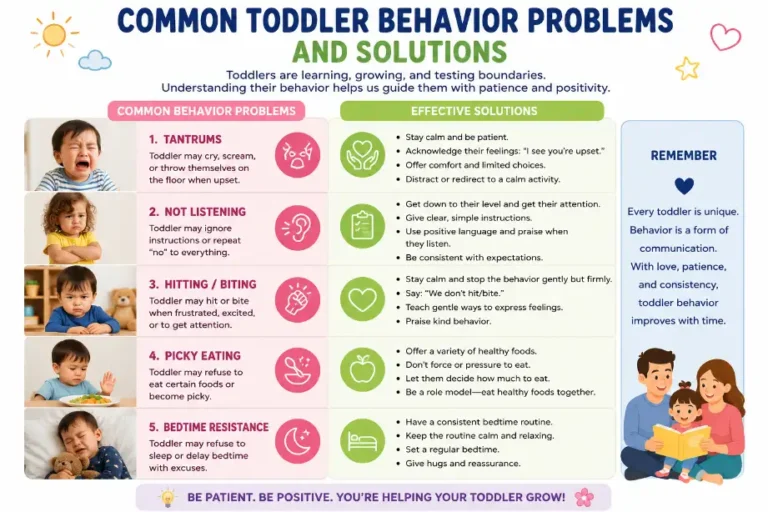
Toddlers can switch from laughter to tears within seconds. Many parents feel confused when a simple request leads to screaming, crying, or throwing objects. Tantrums often appear at the most unexpected times, such as during shopping trips, mealtimes, or bedtime routines. While these emotional outbursts can feel overwhelming, they play a normal role in early childhood development.
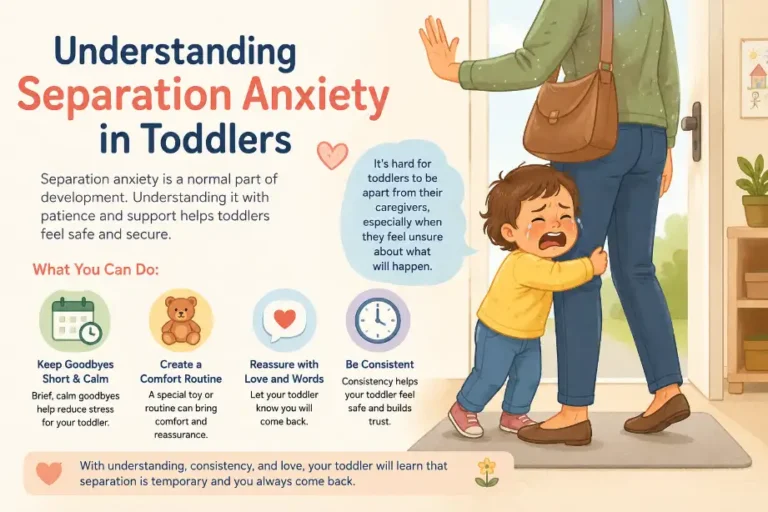
Young children experience strong emotions but lack the skills to express them clearly. They want independence, yet they still depend on adults for many daily tasks. This gap often creates frustration, which can trigger a tantrum. Understanding the reasons behind these behaviors helps parents respond calmly and effectively. When adults handle tantrums with patience and consistency, children learn healthy ways to manage emotions and communicate their needs.
Keep in mind: Tantrums can happen when demands exceed a young child’s current regulation or communication skills. Temperament, hunger, fatigue, disability, neurodivergence, sensory load, and context can all matter.
Tantrums are communication, not a character flaw
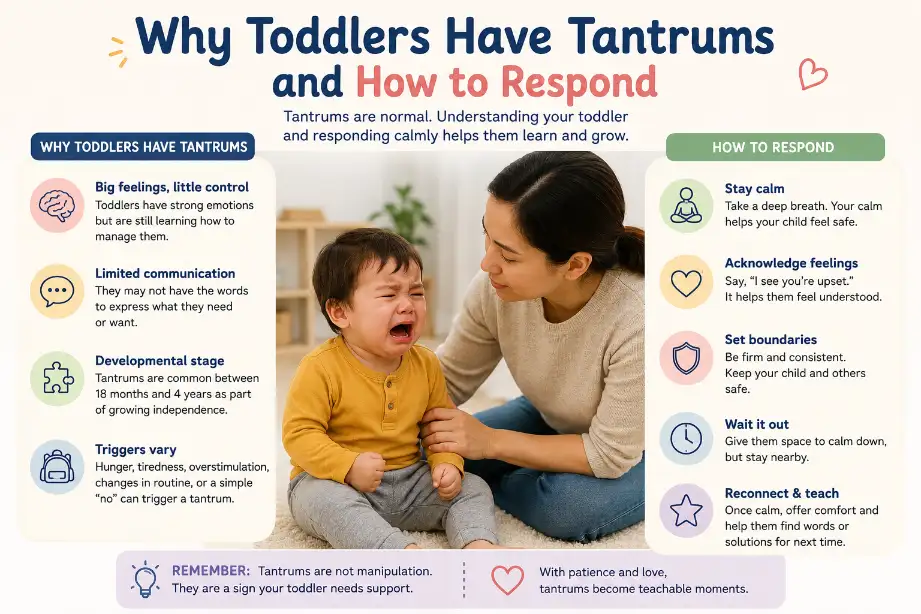
Tantrums happen because toddlers face emotional challenges that exceed their current abilities. They struggle to control feelings, communicate needs, and cope with disappointment. Parents who understand these causes can choose responses that support emotional growth instead of increasing frustration.
Common Reasons Toddlers Have Tantrums
1. Limited Communication Skills
Toddlers often know what they want but cannot always express it with words. When adults fail to understand them, frustration builds quickly.
Examples include:
- Wanting a specific toy
- Asking for food
- Trying to explain discomfort
- Seeking attention
A child may cry or scream because words fail to communicate the message.
2. Desire for Independence
Toddlers enjoy making choices and doing tasks on their own. They often resist when adults take control.
Common situations include:
- Choosing clothes
- Feeding themselves
- Walking without assistance
- Picking activities
When adults deny these opportunities, toddlers may react with anger.
3. Hunger and Fatigue
Physical needs strongly affect behavior. A tired or hungry child usually struggles to stay calm.
Signs include:
- Increased irritability
- Frequent crying
- Difficulty listening
- Short attention span
Many tantrums disappear after rest, food, or hydration.
4. Overstimulation
Busy environments can overwhelm young children. Loud sounds, bright lights, crowded spaces, and long outings may create stress.
Children often express that stress through:
- Crying
- Yelling
- Throwing objects
- Refusing instructions
5. Frustration During Learning
Toddlers spend every day learning new skills. They may become upset when they cannot complete a task.
Examples include:
- Building blocks
- Putting on shoes
- Solving simple puzzles
- Using utensils
Repeated failure often leads to emotional outbursts.
How to Respond to Toddler Tantrums
A calm response helps children feel safe and supported. Parents cannot stop every tantrum, but they can reduce their intensity and frequency.
Stay Calm
Children often mirror adult emotions. If parents yell or become angry, the situation usually worsens.
Helpful actions include:
- Speak in a calm tone.
- Keep facial expressions relaxed.
- Take slow breaths.
- Focus on helping rather than controlling.
A calm adult creates a calmer environment.
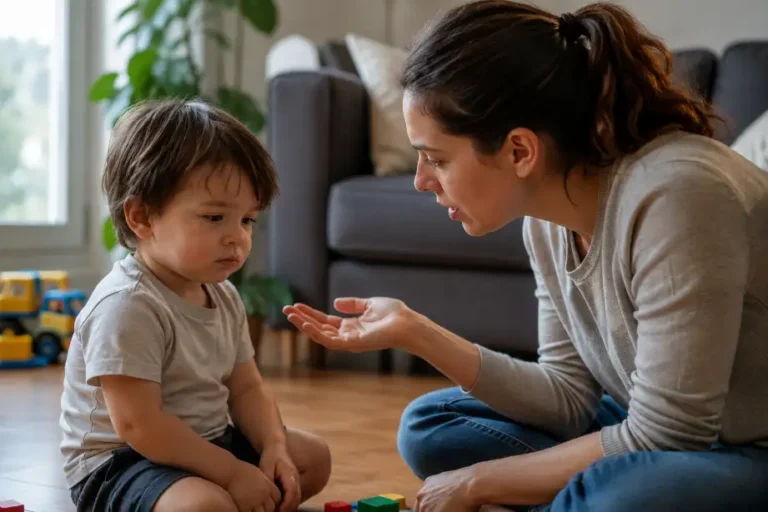
Acknowledge Feelings
Children want adults to understand their emotions. Recognition can reduce frustration.
You can say:
- “I see that you’re upset.”
- “You’re angry because playtime ended.”
- “You wanted that toy.”
Simple statements help children feel heard.
Set Clear Boundaries
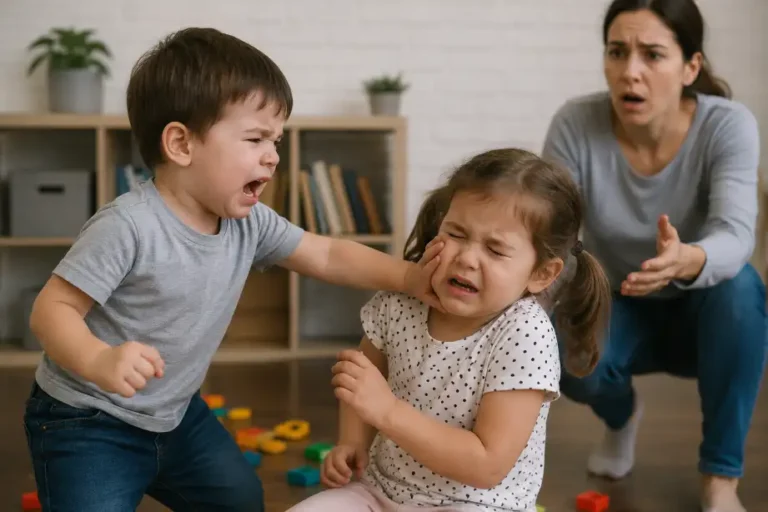
Understanding emotions does not mean accepting harmful behavior.
Parents should stop actions such as:
- Hitting
- Kicking
- Biting
- Throwing dangerous objects
A firm and calm statement works well:
“We do not hit people.”
Keep the message short and clear.
Offer Simple Choices
Choices give toddlers a sense of control.
Examples include:
- “Do you want the red cup or the blue cup?”
- “Would you like apples or bananas?”
- “Do you want to walk or hold my hand?”
Small decisions often prevent power struggles.
Wait Until the Child Calms Down
A child in the middle of a tantrum usually cannot process long explanations. Save teaching moments for later.
During the tantrum:
- Stay nearby
- Ensure safety
- Speak minimally
- Avoid lengthy lectures
Discussion works better after emotions settle.
What Parents Should Avoid During Tantrums
Certain reactions can increase tantrum behavior.
Avoid Yelling
Yelling raises emotional tension. It can make children feel scared or more upset.
Avoid Giving In Every Time
If a tantrum consistently leads to rewards, children may repeat the behavior.
For example:
- Buying a toy after screaming
- Offering candy after a meltdown
- Changing rules to stop crying
Consistency teaches healthy limits.
Avoid Long Explanations
Toddlers cannot process complex reasoning during intense emotions. Keep communication brief.
Avoid Shaming the Child
Statements such as:
- “You’re acting like a baby.”
- “Stop embarrassing me.”
can damage confidence and increase distress.
Focus on the behavior rather than attacking the child’s character.
Building Emotional Skills to Reduce Future Tantrums
Parents can help toddlers develop emotional control through daily interactions.
Teach Emotion Words
Children manage feelings better when they can name them.
Useful emotion words include:
- Happy
- Sad
- Angry
- Frustrated
- Excited
- Scared
Use these words regularly during everyday conversations.
Create Predictable Routines
Children feel secure when they know what comes next.
A consistent routine may include:
- Wake-up time
- Meals
- Playtime
- Bath time
- Bedtime
Predictability reduces stress and frustration.
Praise Positive Behavior
Positive attention encourages good habits.
Examples include:
- “You shared your toy nicely.”
- “You stayed calm when waiting.”
- “Great job using your words.”
Specific praise helps children repeat positive actions.
Practice Patience
Emotional control develops gradually. Toddlers need time, guidance, and repeated practice.
Parents should view each tantrum as a learning opportunity rather than a sign of failure.
When Should Parents Be Concerned About Tantrums?
Most tantrums occur as part of normal development. Some situations may require professional guidance.
Consider speaking with a pediatrician if:
- Tantrums happen many times each day
- Aggressive behavior becomes severe
- Episodes last unusually long
- Developmental concerns appear alongside tantrums
- The child struggles to recover after emotional outbursts
A healthcare professional can assess whether additional support would help.
The Long-Term Benefits of Healthy Responses
Children learn emotional regulation through repeated experiences with caring adults. When parents respond with patience, consistency, and understanding, toddlers gain valuable life skills.
Over time, children begin to:
- Express feelings with words
- Handle disappointment better
- Follow boundaries
- Build confidence
- Develop stronger relationships
These skills support emotional well-being throughout childhood and beyond.
Conclusion
Toddler tantrums often arise from frustration, strong emotions, limited communication skills, fatigue, hunger, or a desire for independence. While these moments can challenge parents, they provide opportunities to teach emotional regulation and healthy behavior. Calm responses, clear boundaries, and consistent routines help children feel secure and understood.
Parents who acknowledge emotions without rewarding negative behavior create a supportive environment for growth. Every tantrum offers a chance for learning, both for the child and the parent. With patience and guidance, toddlers gradually develop the skills needed to express feelings, solve problems, and handle everyday challenges in a healthier way.
F.A.Q
Why do toddlers throw tantrums?
a tantrum can signal that the demands of the moment exceed a toddler’s current regulation or communication skills.
At what age do tantrums usually start?
Tantrums often begin between 1 and 3 years of age.
Should parents ignore tantrums?
Parents should ignore attention-seeking behavior when safe but stay nearby to provide support.
How long do toddler tantrums usually last?
Most toddler tantrums last a few minutes, though some can continue longer.
Does giving choices reduce tantrums?
Yes, simple choices help toddlers feel more in control and reduce frustration.
Are tantrums a sign of bad parenting?
No, tantrums represent a normal stage of child development.
When should I seek professional help for tantrums?
Seek professional advice if tantrums become severe, frequent, or interfere with daily life.
When to get more help
Seek professional guidance if episodes frequently cause injury, include loss of consciousness or breathing concerns, are unusually intense or prolonged, or if development or communication concerns persist.
Related reading
Sources
- CDC — Tips for Noticing and Naming Emotions (consulted August 28, 2026).
- CDC — Tips for Connecting and Communicating (consulted August 28, 2026).
- CDC — Tips for Responding to Behavior (consulted August 28, 2026).
Source note: These links support the developmental, safety, nutrition, sleep, or parenting guidance in this article. They do not replace individualized professional care.