Toddler Hitting and Biting: Calm, Safety-Focused Responses
Last updated:
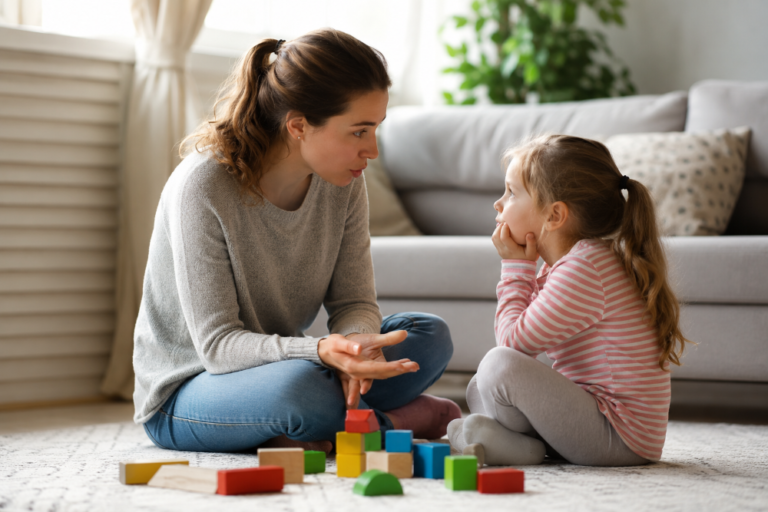
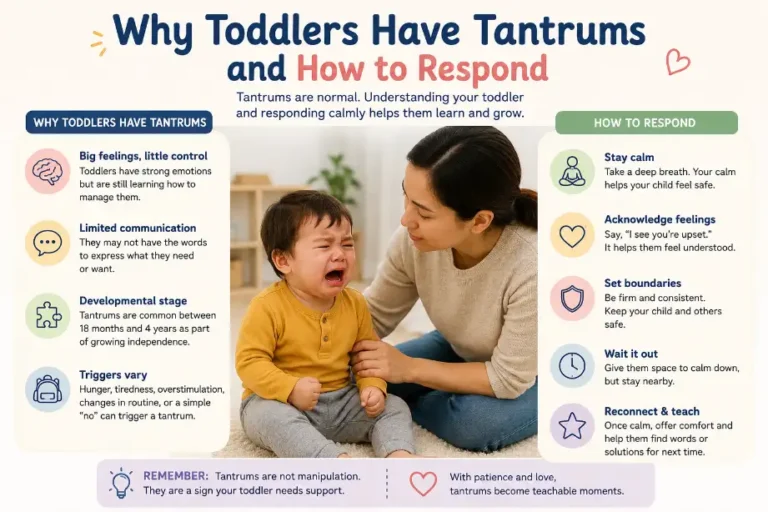
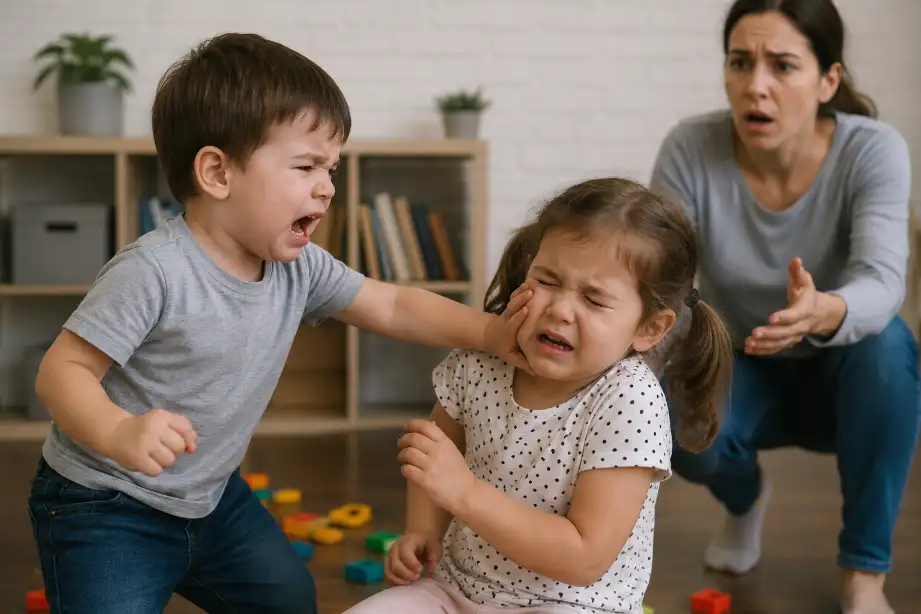
Children often express frustration, anger, fear, or excitement through physical actions. Hitting, biting, kicking, and other aggressive behaviors can create stress for parents, caregivers, and teachers. While these actions can feel alarming, they usually serve as a form of communication rather than a sign of bad character. Young children may lack the language, emotional control, or social skills needed to express their feelings in healthy ways.
Understanding the reason behind aggressive behavior helps adults respond with patience and consistency. Quick punishment rarely solves the root problem. A supportive approach teaches children how to manage emotions, communicate needs, and build positive relationships.
Keep in mind: Hitting and biting are behaviors, not identities. They can reflect limited language, intense emotion, sensory needs, fatigue, pain, stress, or a need for immediate safety and support.
With the right strategies, families can reduce aggressive behavior and encourage healthy emotional development over time.
Toddler Hitting and Biting: Calm, Safety-Focused Responses
Stopping aggressive behavior requires consistency, clear boundaries, and emotional support. Children learn through repeated guidance and positive examples.
Identify the Cause of the Behavior
Before addressing the behavior, determine what triggers it. Different children act aggressively for different reasons.
Common causes include:
- Frustration
- Hunger
- Fatigue
- Overstimulation
- Difficulty sharing
- Attention-seeking
- Anxiety
- Communication challenges
Keep track of when and where aggressive incidents happen. Patterns often reveal the source of the problem.
Stay Calm During Incidents
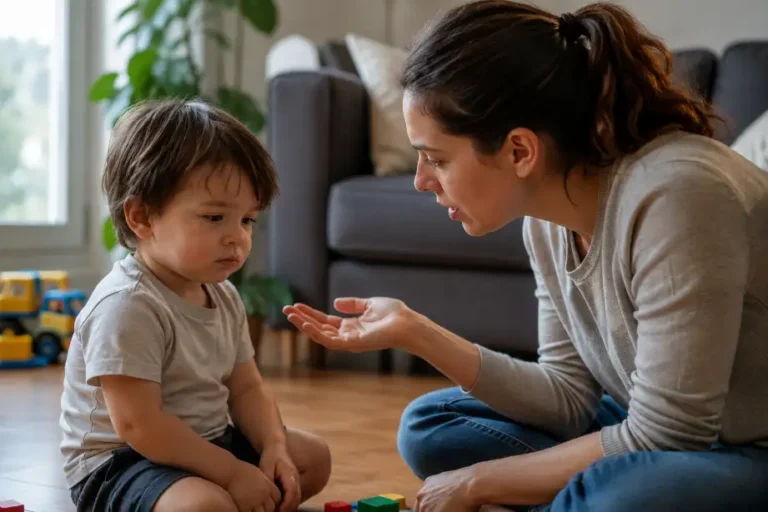
Your reaction influences the child’s response. Yelling or showing anger can increase emotional tension.
When aggression occurs:
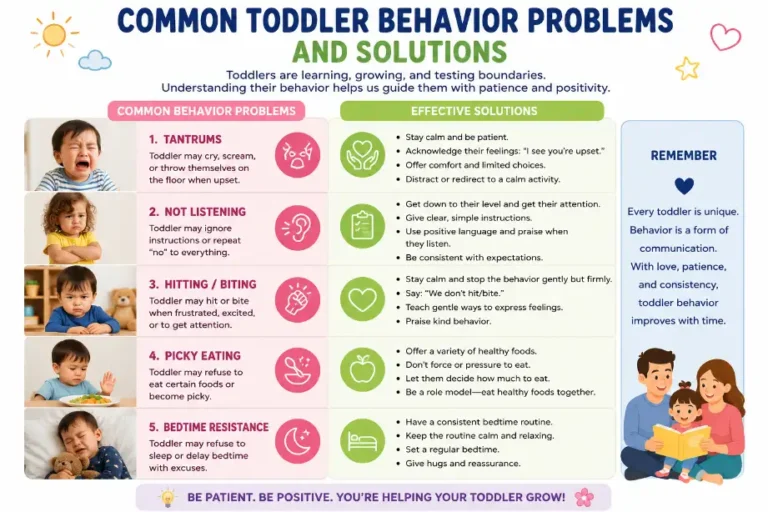
- Stay calm.
- Move close to the child.
- Interrupt the behavior promptly and calmly.
- Use a firm and clear voice.
- Keep instructions short.
For example, say, “I will not let you hit. Hitting hurts people.”
A calm response teaches self-control and prevents the situation from escalating.
Set Clear and Consistent Rules
Children need simple rules that remain the same across situations.
Examples include:
- We use gentle hands.
- We do not bite people.
- We use words when we feel upset.
- We respect personal space.
Repeat these rules regularly. Consistency helps children understand expectations.
Teach Better Ways to Express Feelings
Many children act aggressively because they cannot express emotions effectively.
Help them build emotional vocabulary by teaching phrases such as:
- I am angry.
- I feel sad.
- I need help.
- I want a turn.
- I won’t let you hit.
When children learn appropriate communication skills, they rely less on physical actions.
Give Positive Attention
Children often repeat behaviors that receive attention. Focus on positive actions whenever possible.
Praise specific behaviors such as:
- Sharing toys
- Waiting patiently
- Using kind words
- Solving conflicts peacefully
Specific praise helps children understand which behaviors you want to see more often.
Use Natural Consequences
Natural consequences connect behavior to outcomes in a meaningful way.
Examples include:
- A child who throws a toy loses access to that toy for a short period.
- A child who hurts another person must take a break from the activity.
Keep consequences immediate, reasonable, and connected to the behavior.
Teach Problem-Solving Skills
Guide children through conflicts instead of solving every issue for them.
Teach a simple process:
- Identify the problem.
- Talk about feelings.
- Think of solutions.
- Choose one solution.
- Evaluate the result.
Repeated practice strengthens social and emotional skills.
Understanding Why Children Become Aggressive
Aggression often reflects an unmet need or an undeveloped skill. Understanding the reason behind the behavior allows adults to respond effectively.
Developmental Factors
Young children have limited impulse control. Their brains continue developing emotional regulation skills throughout childhood.
Common developmental challenges include:
- Difficulty waiting
- Limited communication skills
- Strong emotional reactions
- Poor frustration tolerance
These challenges can contribute to hitting and biting, especially in toddlers and preschoolers.
Environmental Influences
A child’s surroundings affect behavior significantly.
Environmental factors may include:
- Family stress
- Changes in routine
- Lack of sleep
- Excessive screen time
- Exposure to aggressive behavior
Creating a stable and supportive environment often reduces aggressive actions.
Sensory and Emotional Needs
Some children react aggressively when sensory experiences overwhelm them.
Possible triggers include:
- Loud noises
- Crowded spaces
- Bright lights
- Unexpected changes
Understanding these sensitivities helps caregivers prevent challenging situations before they occur.
Effective Strategies for Different Age Groups
Different ages require different approaches.
Toddlers
Toddlers often bite or hit because they lack communication skills.
Helpful strategies include:
- Redirecting attention
- Teaching simple words
- Providing comfort
- Keeping routines predictable
Short explanations work better than lengthy lectures.
Preschoolers
Preschoolers begin learning empathy and self-control.
Useful techniques include:
- Role-playing social situations
- Reading books about emotions
- Practicing sharing
- Encouraging cooperative play
Regular practice helps these skills become habits.
School-Age Children
Older children benefit from deeper conversations about behavior.
Focus on:
- Emotional awareness
- Conflict resolution
- Accountability
- Healthy coping strategies
Encourage them to reflect on their choices and identify better responses for future situations.
safer alternatives to Aggressive Behavior
Children need practical outlets for strong emotions.
Consider these safer alternatives:
- Drawing feelings on paper
- Taking deep breaths
- Squeezing a stress ball
- Talking to a trusted adult
- Walking away from conflict
- Counting slowly to ten
- Physical exercise
Practice these alternatives during calm moments so children can use them during stressful situations.
Mistakes to Avoid When Addressing Aggression
Some responses unintentionally increase aggressive behavior.
Avoid these common mistakes:
Yelling Back
Yelling teaches children that loud and aggressive reactions solve problems.
Using Physical Punishment
Physical punishment can increase fear, anger, and aggressive behavior.
Giving Mixed Messages
Changing rules frequently confuses children and weakens boundaries.
Ignoring Emotional Needs
Addressing behavior without addressing emotions leaves the root cause unresolved.
Expecting Immediate Results
Behavior change takes time. Progress often occurs gradually through consistent guidance.
When to Seek Professional Help
Some aggressive behaviors require professional support.
Consider speaking with a pediatrician, child psychologist, or behavioral specialist if:
- Aggression becomes severe.
- Injuries occur frequently.
- Behavior continues despite consistent intervention.
- The child struggles socially.
- Emotional difficulties appear significant.
- School performance declines.
Early support can help identify underlying concerns and provide effective treatment options.
Conclusion
Responding to hitting, biting, and other aggressive behavior starts with understanding what may be driving the action. Children often use aggression when they struggle with emotions, communication, or self-control. Calm responses, consistent boundaries, positive reinforcement, and emotional coaching create a strong foundation for change. Parents and caregivers who focus on teaching skills rather than simply punishing behavior often see better long-term results. Progress may take time, but steady guidance helps children develop healthier ways to express feelings and handle challenges. With patience, support, and clear expectations, children can build the emotional and social skills needed for positive behavior.
F.A.Q
Why do children hit or bite others?
Children often hit or bite because they feel frustrated, overwhelmed, or unable to express emotions.
What is the best response when a child hits someone?
Block or interrupt the behavior promptly, stay calm, and use a short safety limit such as “Hitting hurts. I won’t let you hit.”
Is biting normal in toddlers?
Yes, many toddlers bite during early development as they learn communication and self-control.
Can aggressive behavior improve without punishment?
Yes, consistent guidance, emotional support, and skill-building often reduce aggression effectively.
How long does it take to change aggressive behavior?
The timeline varies, but consistent responses usually lead to gradual improvement.
Should I worry if my child becomes aggressive at school?
Monitor the behavior closely and speak with teachers to identify triggers and solutions.
When should I seek professional help for aggression?
Seek professional help if aggression becomes severe, frequent, or causes harm to others.
When to get more help
Seek prompt professional help if anyone is seriously injured, aggression is escalating or frequent across settings, the child seems in pain, or there are concerns about development, communication, trauma, or family safety.
Related reading
Sources
- CDC — Tips for Noticing and Naming Emotions (consulted August 28, 2026).
- CDC — Tips for Connecting and Communicating (consulted August 28, 2026).
- CDC — Tips for Responding to Behavior (consulted August 28, 2026).
Source note: These links support the developmental, safety, nutrition, sleep, or parenting guidance in this article. They do not replace individualized professional care.