How Language Skills Develop Between Ages 1 and 3
Last updated:
Between ages 1 and 3, children move from simple sounds to meaningful communication. This stage shows fast growth in listening, understanding, and speaking. A toddler first reacts to voices, then starts naming objects, and later builds short phrases. Parents often notice daily changes in vocabulary and expression during this period. Every interaction, such as talking during meals or play, shapes how a child learns language.
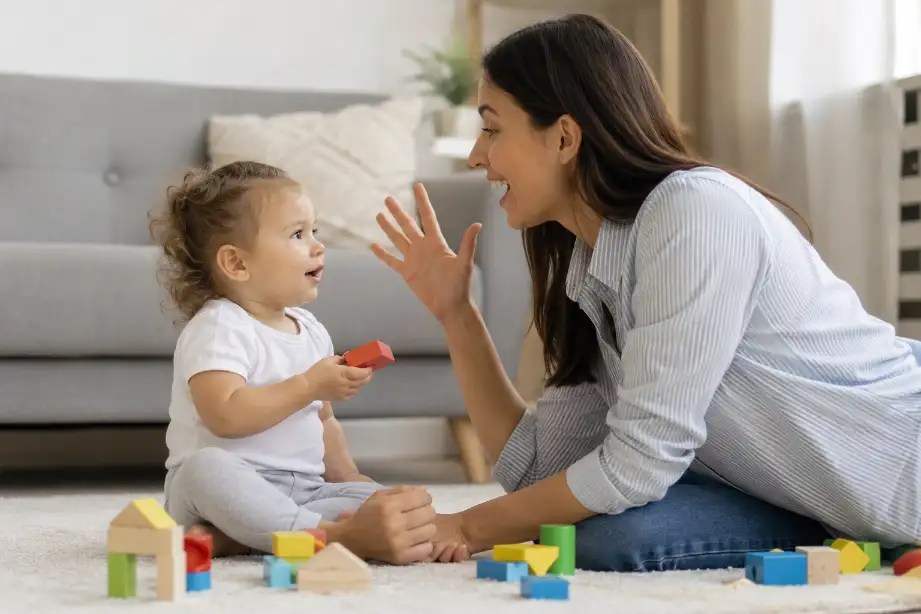
Children at this age rely on repetition, tone, and gestures. They learn words by hearing them often and connecting them with real objects or actions. Caregivers play a strong role by speaking clearly, responding to attempts, and encouraging conversation. This stage builds the base for reading, writing, and social communication later in life.
Keep in mind: Children may communicate through speech, gesture, sign, communication devices, facial expression, or combinations of these. Multilingualism does not cause a language disorder, and milestone lists are guides rather than diagnoses.
How Language Skills Develop Between Ages 1 and 3: Key Stages and Solutions
Language growth between 1 and 3 years follows a clear path. Each stage shows new abilities in understanding and speaking. Parents and caregivers can support each stage through daily interaction and simple communication habits.
1. Age 1 to 18 Months: First Words and Understanding
At this stage, children focus more on listening than speaking. They understand familiar words and respond to simple commands.
Key developments:
- Recognize names of familiar people and objects
- Respond to tone changes in voice
- Say first meaningful words like “mama,” “dada,” or “milk”
- Use gestures like pointing or waving
How adults can support:
- Speak slowly and clearly during daily tasks
- Name objects during play and feeding
- Repeat simple words often
- Respond when the child points or makes sounds
Practical actions:
- Say “Here is your cup” while handing a cup
- Ask “Do you want water?” and wait for a response
- Encourage eye contact during speaking
2. Age 18 to 24 Months: Word Growth and Simple Requests
Children start building vocabulary fast during this stage. They also begin combining words with gestures.
Key developments:
- Vocabulary grows from a few words to 50 or more
- Use single words to express needs like “juice,” “ball,” or “up”
- Follow simple instructions like “bring shoes”
- Point to body parts when asked
How adults can support:
- Label daily objects and actions
- Give choices instead of yes/no questions
- Repeat correct word forms without pressure
Helpful activities:
- Show two toys and ask “Do you want car or teddy?”
- Name body parts during bath time
- Read picture books and point to images
3. Age 2 to 3 Years: Short Sentences and Early Conversation
This stage shows a big jump in communication skills. Children start combining words into short sentences.
Key developments:
- Use 2 to 4 word sentences like “want more milk”
- Ask simple questions like “what that?”
- Use pronouns like “me,” “you,” or “mine”
- Start naming actions like “run,” “eat,” or “sleep”
How adults can support:
- Expand child’s sentences without correcting harshly
Example: Child says “car go” → Adult says “Yes, the car goes fast” - Ask open questions like “What do you see?”
- Give time to respond without interruption
Daily habits that help:
- Talk during routines like cooking or cleaning
- Describe actions while doing them
- Encourage storytelling with pictures
4. Common Factors That Support Language Growth
Several everyday factors shape how well a child learns language:
- Interaction time
- More face-to-face talk builds stronger understanding
- Listening environment
- Calm surroundings help children focus on speech
- Emotional connection
- Warm responses encourage more attempts to speak
- Repetition
- Repeated words help memory building
- Play-based learning
- Toys, games, and songs create natural learning moments
Activities and Daily Practices That Support Early Language Growth
Parents and caregivers can use simple routines to support language learning without special tools.
1. Reading Together Daily
Books with pictures help children connect words with visuals. Pointing to images and naming them builds recognition.
2. Singing Simple Songs
Songs with actions help children remember words and rhythm. Clapping or moving along adds interest.
3. Talking During Routine Tasks
Everyday tasks offer strong learning moments:
- Cooking: “We cut vegetables”
- Dressing: “Put on shirt”
- Walking: “Look at the dog”
4. Encouraging Choices
Offer two options instead of open-ended questions:
- “Do you want apple or banana?”
- “Red cup or blue cup?”
5. Expanding Speech
When a child speaks, add one or two extra words:
- Child: “ball big”
- Adult: “Yes, big red ball”
Challenges Parents May Notice and How to Respond
Some children move slower or faster in language growth. Small differences remain normal, but attention helps when needed.
1. Limited Word Use
Some children speak fewer words. Parents can:
- Repeat words more often
- Reduce screen time
- Increase face-to-face talk
2. Difficulty Following Instructions
Children may ignore or miss instructions. Parents can:
- Use short sentences
- Give one instruction at a time
- Show actions while speaking
3. Frustration During Communication
Children may cry when not understood. Parents can:
- Stay calm and guess meaning with context
- Offer choices to reduce frustration
- Encourage gestures along with words
4. Overuse of Gestures
Some children rely only on pointing. Parents can:
- Name the object each time
- Encourage attempts at words
- Praise any spoken effort
Role of Environment in Early Language Development
A child’s surroundings shape how quickly language grows. Homes with active conversation help children learn faster patterns of speech.
Important environmental factors:
- Frequent talking between adults and child
- Limited background noise
- Regular reading habits
- Social interaction with other children
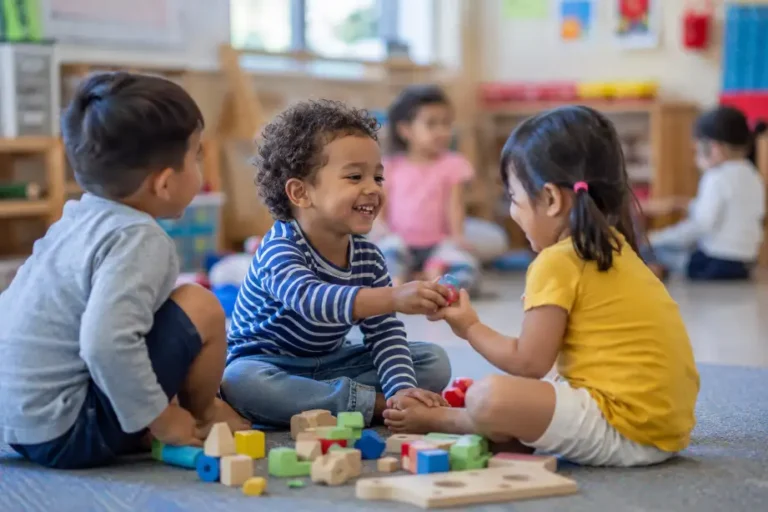
Group play also helps. Children listen to peers and copy words or phrases. Family members who talk often with the child create more learning chances during the day.
Conclusion
Language growth between ages 1 and 3 shows steady and exciting progress. Children move from sounds to words and then to short sentences. Every word they hear and every response they receive shapes their communication path. Parents who talk often, listen closely, and respond with patience help children build strong language habits. Daily routines like reading, singing, and simple conversations give children repeated exposure to words. This stage sets the base for future learning, social skills, and confidence in expression.
F.A.Q
What age do children start saying their first words?
Most children say first words around 12 months, depending on exposure and interaction.
How many words should a 2-year-old use?
Many 2-year-olds use around 50 or more words and start combining two words.
What helps toddlers learn language faster?
Frequent talking, reading books, and naming daily objects support faster learning.
Should parents correct toddler speech mistakes?
Parents should repeat correct forms gently instead of direct correction.
Do songs help language development?
Yes, songs help children remember words, rhythm, and pronunciation.
When should parents worry about speech delay?
Parents should seek advice if a child shows very limited speech by age 2.
When to get more help
If a child loses communication skills or a caregiver has concerns about speech, language, or hearing, discuss them with a pediatric healthcare professional, speech-language pathologist, or audiologist.
Related reading
Sources
- ASHA — Communication Milestones: 19 to 24 Months (consulted August 28, 2026).
- ASHA — Communication Milestones: 2 to 3 Years (consulted August 28, 2026).
- CDC — Milestones by 2 Years (consulted August 28, 2026).
Source note: These links support the developmental, safety, nutrition, sleep, or parenting guidance in this article. They do not replace individualized professional care.