Supporting Independence in Toddlers: Everyday Skills Without Pressure
Last updated:
Many parents want their toddlers to grow into confident and capable children. Independence plays a big role in that journey. A toddler who learns to do simple tasks on their own develops confidence, problem-solving skills, and a sense of responsibility. While helping children feels natural, doing everything for them can limit their growth. Small daily opportunities allow toddlers to practice decision-making and self-care skills.
Raising an independent toddler does not mean leaving them to figure everything out alone. It means offering guidance while giving them space to learn through experience. Every child develops at a different pace, so patience and consistency matter. With the right approach, parents can encourage independence while maintaining a strong emotional connection with their child.
Keep in mind: Independence is not a race. A child’s pace can reflect temperament, culture, disability, neurodivergence, motor skills, communication, and the support available.
Independence grows alongside connection
Building independence starts with everyday routines and simple choices. Parents can create an environment where toddlers feel safe trying new things and learning from mistakes.
Encourage Age-Appropriate Responsibilities
Toddlers enjoy feeling helpful. Giving them small responsibilities teaches accountability and builds confidence.
Examples include:
- Putting toys back in bins
- Carrying their plate to the kitchen
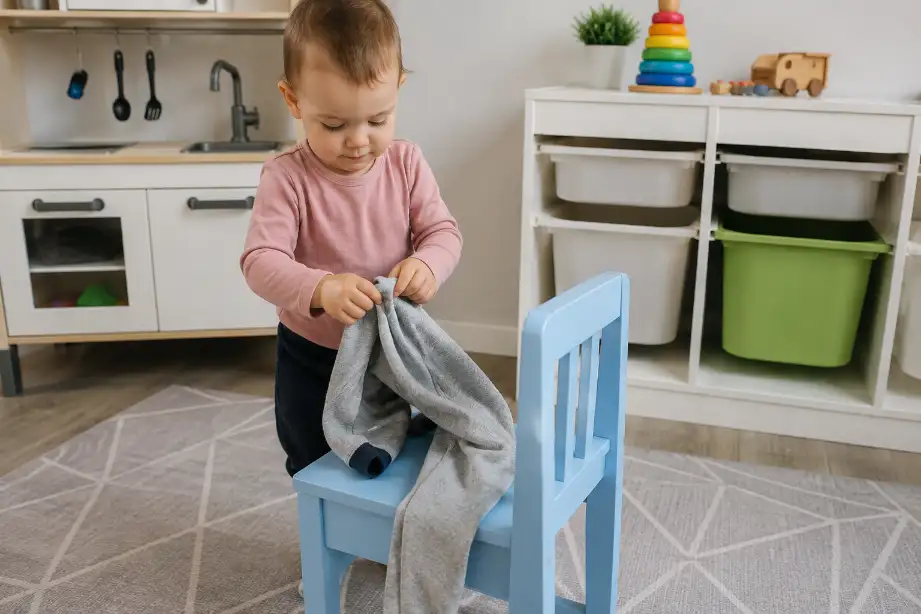
- Placing dirty clothes in a laundry basket
- Watering plants with supervision
- Helping set the table
These tasks may take longer at first, but regular practice helps toddlers become more capable.
Allow Your Toddler to Make Simple Choices
Decision-making helps children feel in control of their environment. Offer limited choices instead of making every decision for them.
Examples:
- Choose between two outfits.
- Pick a bedtime story.
- Select a healthy snack.
- Decide which toy to play with.
Too many options can overwhelm young children. Two or three choices usually work well.
Teach Self-Help Skills
Self-help skills support independence and reduce reliance on parents for simple tasks.
Focus on skills such as:
- Washing hands
- Brushing teeth with assistance
- Putting on shoes
- Using utensils during meals
- Cleaning up spills
Practice these skills regularly and praise effort rather than perfect results.
Let Them Solve Small Problems
Parents often rush to fix every challenge. Toddlers benefit when they get a chance to think and act first.
For example:
- If a toy gets stuck, ask what they think might work.
- If they cannot reach something, encourage them to find a safe solution.
- If a puzzle piece does not fit, let them try different options.
Problem-solving develops critical thinking and perseverance.
Create Predictable Routines
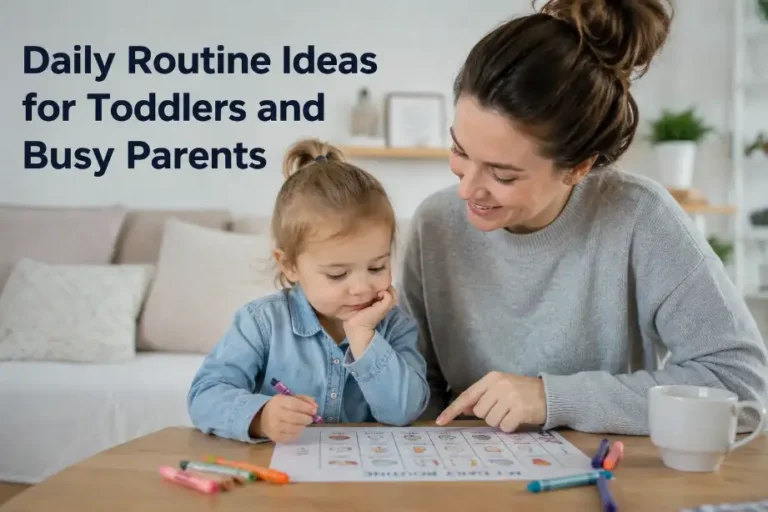
Children feel more confident when they know what comes next. Daily routines reduce confusion and help toddlers complete tasks with less assistance.
A simple routine may include:
- Wake up
- Brush teeth
- Get dressed
- Breakfast
- Playtime
- Nap
- Dinner
- Bedtime
Consistency allows toddlers to remember steps and participate actively.
Avoid Doing Everything for Them
Many parents help because it saves time. While that approach works in the short term, it can prevent children from practicing important skills.
Give your toddler enough time to:
- Put on clothing
- Pick up toys
- Climb into a car seat
- Feed themselves
Expect mistakes and messes. Learning often comes with both.
Praise Effort and Progress
Children respond well to encouragement. Focus on effort instead of outcomes.
Try phrases like:
- “You worked hard on that.”
- “You did that by yourself.”
- “I like how you kept trying.”
This type of praise encourages persistence and confidence.
Allow Safe Mistakes
Mistakes help children learn valuable lessons. A toddler who spills water while pouring learns control through practice.
Safe mistakes can teach:
- Cause and effect
- Responsibility
- Patience
- Problem-solving
Guide your child through the learning process rather than preventing every error.
Building Confidence Through Independence
Confidence and independence often grow together. When toddlers complete tasks successfully, they begin to trust their abilities.
Give Opportunities for Success
Choose activities that match your child’s developmental stage.
Examples include:
- Sorting objects by color
- Stacking blocks
- Matching shapes
- Feeding a pet with supervision
Success motivates children to try new challenges.
Encourage Exploration
Toddlers learn by touching, observing, and experimenting. Allow them to explore safe environments without constant interruption.
Ways to support exploration:
- Visit parks and playgrounds
- Provide age-appropriate toys
- Read interactive books
- Offer sensory activities
Exploration strengthens curiosity and confidence.
Support Emotional Independence
Emotional independence matters as much as physical independence. Toddlers need opportunities to identify and express feelings.
Parents can help by:
- Naming emotions
- Listening carefully
- Teaching calming techniques
- Encouraging communication
Children who understand their emotions often handle challenges more effectively.
Creating an Environment That Supports Independence
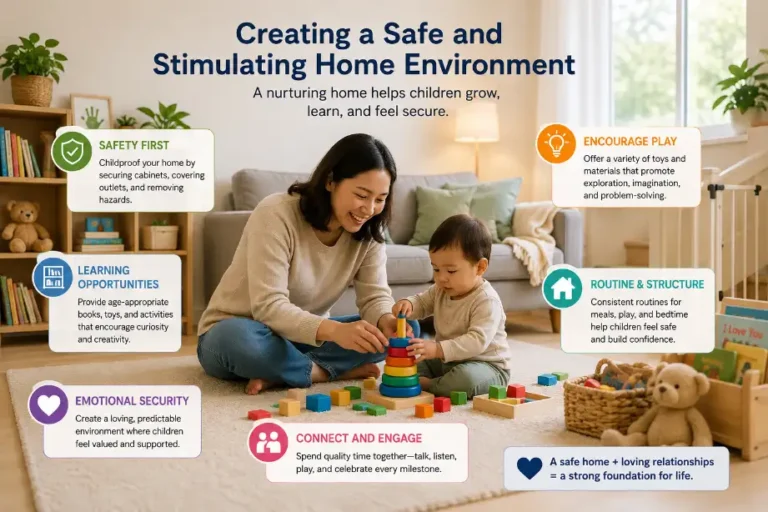
A child-friendly environment makes independent behavior easier.
Organize Spaces for Easy Access
Arrange items where toddlers can reach them safely.
Consider:
- Low shelves for toys
- Accessible books
- Child-sized furniture
- Easy-to-reach clothing storage
When children can access their belongings, they gain more control over daily activities.
Use Child-Friendly Tools
The right tools make tasks manageable for small hands.
Helpful items include:
- Step stools
- Child-sized utensils
- Small watering cans
- Easy-grip toothbrushes
- Lightweight cups
Appropriate tools reduce frustration and encourage participation.
Set Clear Expectations
Toddlers respond well to simple instructions. Clear expectations help them understand responsibilities.
Examples:
- Toys go away before bedtime.
- Hands get washed before meals.
- Shoes stay by the door.
Keep instructions short and consistent.
Common Mistakes Parents Should Avoid
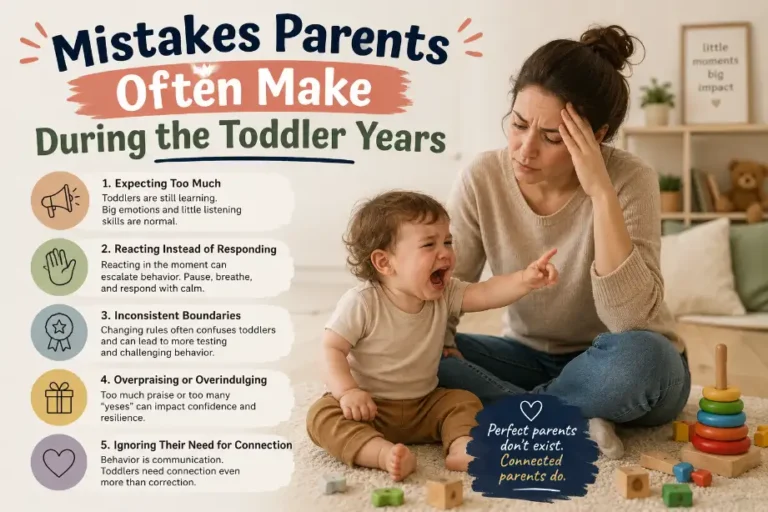
Some parenting habits can unintentionally slow a toddler’s development of independence.
Rushing the Process
Every child develops differently. Comparing your toddler to others can create unnecessary pressure.
Focus on progress rather than speed.
Overprotecting Your Child
Safety matters, but excessive protection can limit learning opportunities.
Allow supervised risks such as:
- Climbing age-appropriate playground equipment
- Trying new activities
- Meeting new children
These experiences build confidence and resilience.
Expecting Perfection
Toddlers learn through repetition. They will make mistakes, forget steps, and need reminders.
Accepting imperfections creates a positive learning environment.
Using Too Much Control
Constant commands can reduce a child’s motivation to act independently.
Instead:
- Offer choices
- Encourage participation
- Listen to their ideas
Children become more engaged when they feel involved.
Long-Term Benefits of Raising an Independent Toddler
Teaching independence during the toddler years creates lasting advantages.
Benefits include:
- Greater self-confidence
- Better decision-making skills
- Strong problem-solving abilities
- Increased responsibility
- Improved emotional regulation
- Stronger resilience
These qualities support success throughout childhood and beyond.
Conclusion
Raising an independent toddler requires patience, encouragement, and consistent guidance. Small responsibilities, simple choices, and daily opportunities to practice new skills help children gain confidence in their abilities. Parents do not need to step back completely. They need to provide support while allowing their toddlers room to learn and grow. Independence develops gradually through everyday experiences, mistakes, and successes. By creating a supportive environment and trusting your child’s abilities, you can help them become confident, responsible, and capable individuals who feel ready to face new challenges as they grow.
F.A.Q
At what age should I start encouraging independence in my toddler?
You can begin encouraging simple independent tasks as early as 18 months.
How can I help my toddler become more confident?
Offer age-appropriate responsibilities and praise their effort regularly.
Should I let my toddler make mistakes?
Yes, safe mistakes help toddlers learn problem-solving and responsibility.
What are good chores for toddlers?
Putting away toys, carrying dishes, and helping with laundry are good starter chores.
How do routines help independent toddlers?
Routines create predictability and help children complete tasks with less assistance.
Can too much help reduce independence?
Yes, constant assistance can prevent toddlers from practicing important skills.
What is the biggest key to raising an independent toddler?
Patience and consistent opportunities for self-directed learning make the biggest difference.
When to get more help
Offer only choices that are genuinely safe and manageable; ask a pediatric healthcare professional about lost skills or persistent concerns with everyday participation.
Related reading
Sources
- CDC — Positive Parenting Tips: Toddlers (2–3 years) (consulted August 28, 2026).
- CDC — Milestones by 2 Years (consulted August 28, 2026).
- CDC — Tips for Connecting and Communicating (consulted August 28, 2026).
Source note: These links support the developmental, safety, nutrition, sleep, or parenting guidance in this article. They do not replace individualized professional care.