Common Parenting Missteps During the Toddler Years—and Gentler Alternatives
Last updated:
The toddler years bring excitement, curiosity, and many surprises. Children between one and three years old learn new skills every day, test limits, and develop their personalities. Parents often feel proud of their child’s growth, but they also face challenges that can create stress and confusion. Many mothers and fathers want to raise happy, confident, and responsible children, yet they sometimes make mistakes without realizing the long-term effects.
Parenting a toddler does not come with a perfect instruction manual. Every child behaves differently and responds to situations in unique ways. Still, certain parenting mistakes appear frequently during these early years. Understanding these common errors helps parents create a healthier environment that supports emotional, social, and physical development.
Keep in mind: Caregivers make decisions under different pressures, resources, cultures, health needs, and support systems. The goal is reflection and repair, not a scorecard for good or bad parenting.
Mistakes Parents Often Make During the Toddler Years and How to Avoid Them
The toddler stage requires patience, consistency, and understanding. Many parenting challenges become easier when parents recognize what they should avoid and what actions produce better results.
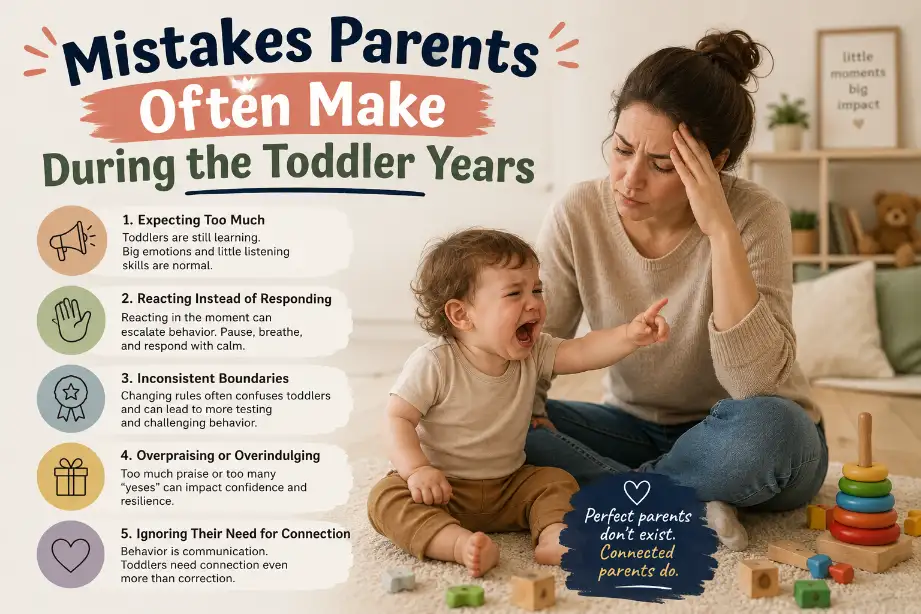
1. Expecting Too Much Too Soon
Many parents expect toddlers to behave like older children. They may expect long attention spans, perfect manners, or complete emotional control.
Toddlers still learn how to manage emotions and understand rules. Unrealistic expectations often lead to frustration for both parents and children.
What parents should do instead:
- Set age-appropriate expectations.
- Understand normal toddler behavior.
- Celebrate small achievements.
- Give children time to learn new skills.
2. Being Inconsistent with Rules
Children feel secure when they know what parents expect. Some parents allow certain behaviors one day and punish the same behaviors the next day.
This inconsistency confuses toddlers and encourages them to test limits more often.
Better approach:
- Create clear household rules.
- Apply rules consistently.
- Explain expectations in simple language.
- Work together with other caregivers.
3. Giving Too Many Choices
Choices help children develop independence. Too many options, though, can overwhelm toddlers.
For example, asking a toddler to choose from ten different outfits may lead to frustration and delays.
Offer limited choices such as:
- Red shirt or blue shirt
- Apple slices or banana
- Storybook A or Storybook B
Small choices help toddlers feel independent while keeping situations manageable.
4. Using Screens as a Constant Babysitter
Phones, tablets, and televisions can entertain children quickly. Many parents rely heavily on screens to keep toddlers occupied.
Excessive screen time may reduce opportunities for physical activity, social interaction, and creative play.
Healthier alternatives include:
- Building blocks
- Coloring activities
- Outdoor play
- Reading books
- Pretend play
Balanced screen use supports healthier development.
5. Reacting with Anger During Tantrums
Tantrums often frustrate parents. Some adults respond by yelling, arguing, or becoming angry.
Toddlers experience strong emotions and lack the skills to express them properly. Angry reactions often increase emotional intensity instead of calming the situation.
Helpful responses include:
- Staying calm
- Speaking softly
- Acknowledging feelings
- Waiting until the child settles down
Children learn emotional control by observing calm behavior from adults.
6. Comparing Their Child to Others
Parents naturally notice other children. Some compare milestones, speech development, behavior, or physical growth.
Every child develops at a different pace. Frequent comparisons can create unnecessary worry and pressure.
Focus on:
- Individual progress
- Personal strengths
- Unique personality traits
- Development over time
Children thrive when parents appreciate their individual journey.
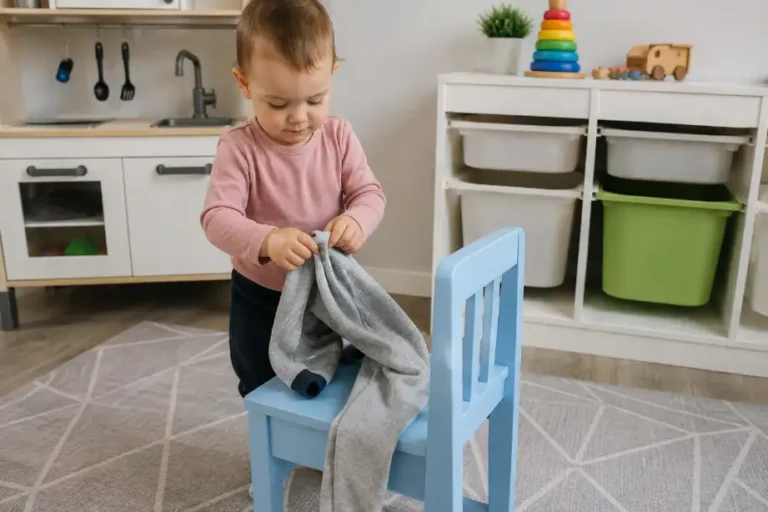
7. Doing Everything for the Child
Parents often help toddlers because tasks take less time when adults handle them. Constant assistance, though, limits independence.
Toddlers need opportunities to practice simple skills.
Examples include:
- Putting toys away
- Feeding themselves
- Carrying small items
- Choosing clothes
Small responsibilities build confidence and self-reliance.
Why Positive Communication Matters During the Toddler Years
Communication shapes a child’s understanding of relationships, emotions, and behavior. Many parents focus heavily on correcting mistakes while overlooking positive interactions.
Toddlers respond well to encouragement and clear communication.
Use Simple Language
Young children understand short and direct instructions better than long explanations.
Instead of saying:
“Please stop making a mess because we already cleaned this room earlier.”
Try:
“Please keep the blocks in the box.”
Praise Good Behavior
Parents often notice bad behavior immediately but miss opportunities to recognize positive actions.
Examples of effective praise include:
- “Great job sharing your toy.”
- “You cleaned up your books.”
- “Thank you for listening.”
Positive feedback encourages children to repeat good behavior.
Listen Carefully
Toddlers want attention and validation. Listening carefully helps children feel respected and understood.
Good listening habits include:
- Making eye contact
- Responding patiently
- Avoiding interruptions
- Showing interest in their thoughts
Strong communication builds trust between parents and children.
The Importance of Setting Healthy Boundaries
Many parents struggle to balance kindness and discipline. Some become too strict, while others avoid limits completely.
Healthy boundaries help toddlers understand acceptable behavior and develop self-control.
Create Clear Expectations
Children behave better when they know what adults expect.
Examples include:
- Toys go back on shelves after playtime.
- Hands stay gentle with people and pets.
- Bedtime follows a regular schedule.
Follow Through Consistently
Rules lose value when parents ignore them repeatedly.
Consistency teaches children that actions have predictable outcomes.
Stay Firm but Respectful
Discipline does not require yelling or harsh punishment.
Parents can remain calm while enforcing rules.
For example:
- “Throwing toys is not allowed.”
- “We use gentle hands.”
- “It’s time to put the toys away.”
Respectful discipline strengthens parent-child relationships.
Supporting Emotional Development in Toddlers
Emotional growth plays a major role during the toddler years. Children begin recognizing feelings but still struggle to manage them.
Parents can support emotional development in several ways.
Teach Emotion Words
Many tantrums happen because toddlers cannot express feelings clearly.
Teach words such as:
- Happy
- Sad
- Angry
- Excited
- Scared
- Frustrated
Children gradually learn healthier ways to communicate emotions.
Model Healthy Behavior
Children observe parents closely.
When adults manage stress calmly, toddlers learn positive coping skills.
Helpful examples include:
- Taking a short break when upset
- Speaking respectfully during disagreements
- Using calm voices
Encourage Problem Solving
Instead of solving every issue immediately, guide toddlers toward simple solutions.
Ask questions like:
- “What can we do next?”
- “How can we fix this?”
- “Would you like help?”
Problem-solving skills support future independence.
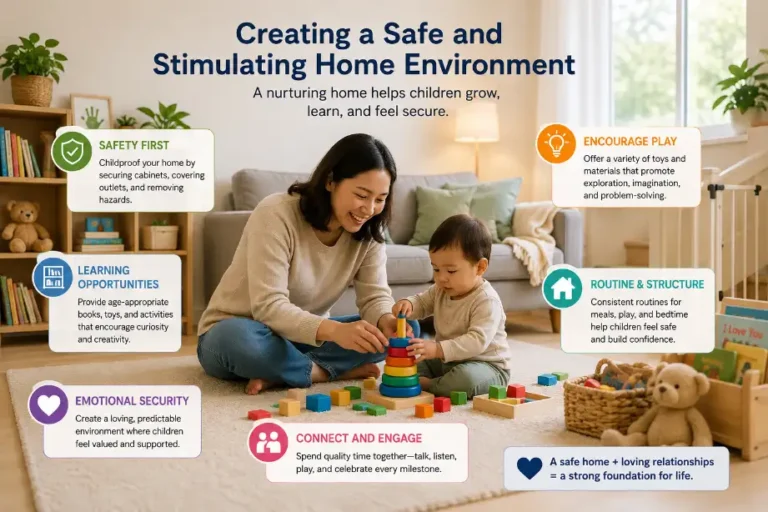
Building Strong Daily Routines
Routines help toddlers feel safe and secure. Predictable schedules reduce stress and improve cooperation.
Benefits of Daily Routines
Regular routines help with:
- Better sleep habits
- Improved behavior
- Easier transitions
- Reduced anxiety
Key Areas for Consistency
Parents should establish routines for:
- Wake-up times
- Meals and snacks
- Playtime
- Bath time
- Bedtime
Children often cooperate more when they know what comes next.
Conclusion
The toddler years bring countless learning opportunities for both parents and children. Mistakes happen in every family, but awareness helps parents make better decisions. Unrealistic expectations, inconsistent rules, excessive screen use, and poor communication can create challenges during this stage. Parents who encourage independence, maintain healthy boundaries, and support emotional growth create a positive foundation for future development.
Small daily actions often have a lasting impact on a child’s confidence, behavior, and well-being. By staying patient, consistent, and attentive, parents can guide their toddlers through these important years while building a strong and trusting relationship that lasts well beyond childhood.
F.A.Q
What is the most common parenting mistake during the toddler years?
Inconsistent rules and expectations rank among the most common parenting mistakes.
How much independence should a toddler have?
Toddlers should handle simple age-appropriate tasks with supervision and encouragement.
Are tantrums normal during toddlerhood?
Yes, tantrums represent a normal part of emotional development.
Should parents punish every bad behavior immediately?
Parents should correct behavior consistently while staying calm and respectful.
How can parents reduce toddler tantrums?
Clear routines, emotional support, and realistic expectations can reduce tantrums.
Is screen time harmful for toddlers?
Excessive screen time can affect learning and physical activity, so moderation works best.
Why do toddlers test boundaries?
Toddlers test boundaries as they learn independence and understand rules.
When to get more help
If stress, anger, depression, anxiety, or a child’s behavior makes it hard to respond safely, step away when the child is safe and seek help from a trusted person or qualified professional.
Related reading
Sources
- CDC — Positive Parenting Tips: Toddlers (2–3 years) (consulted August 28, 2026).
- CDC — Tips for Connecting and Communicating (consulted August 28, 2026).
- CDC — Tips for Relying on Routines and Rules (consulted August 28, 2026).
Source note: These links support the developmental, safety, nutrition, sleep, or parenting guidance in this article. They do not replace individualized professional care.