Potty Training a Toddler: Readiness, Practice, and Patience
Last updated:
Potty training is an exciting milestone that helps toddlers become more independent while giving parents a sense of accomplishment. Although every child develops at a different pace, recognizing the right time to begin can make the entire process much smoother.
Rather than focusing on age alone, it is more important to watch for physical, emotional, and behavioral signs that indicate your toddler is ready. With patience, consistency, and encouragement, potty training can become a positive experience rather than a stressful one.
Keep in mind: Toilet learning is a family skill-building process, not a measure of intelligence or good behavior. Readiness and timing vary, and disability, constipation, sensory needs, culture, and routines can affect the process.
This guide explains how to recognize readiness, introduces practical steps for success, and offers solutions to common challenges that many families face.
Readiness matters more than a deadline
Successful potty training starts by waiting until your toddler shows clear signs of readiness instead of following a strict timeline. Most children begin showing interest between 18 months and 3 years, but every child is unique. Look for signs such as staying dry for longer periods, showing curiosity about the toilet, communicating when they need to go, or becoming uncomfortable with a wet or dirty diaper.
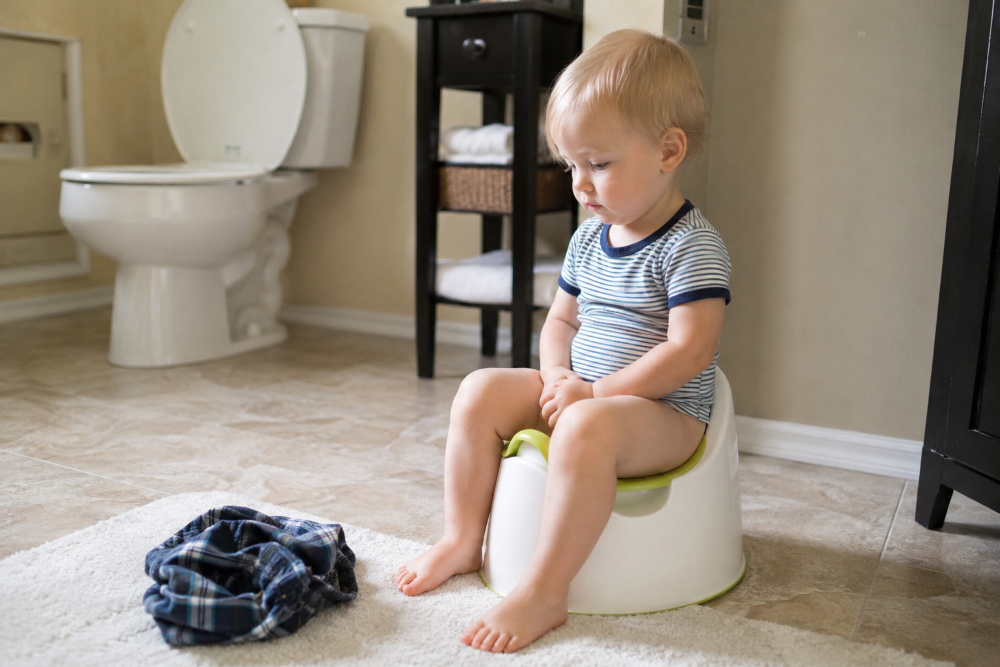
Once your child is ready, create a simple daily routine. Introduce a potty chair, explain its purpose in easy language, and encourage your toddler to sit on it for a few minutes at regular times, such as after meals or before bedtime. Dress your child in clothing that is easy to remove and celebrate every small achievement with praise instead of pressure.
Avoid punishment or criticism when accidents happen. They are a normal part of learning. Keep a calm attitude, remind your toddler to try again next time, and stay consistent with your routine. By combining patience, encouragement, and realistic expectations, you can help your child develop confidence and master potty training successfully.
Understanding Potty Training Readiness
Beginning potty training too early often leads to frustration for both parents and children. Waiting until your toddler is physically and emotionally ready usually results in faster progress and fewer setbacks.
Children develop bladder and bowel control gradually. Some learn quickly, while others need additional time. Comparing your child to others can create unnecessary stress. Instead, focus on your toddler’s individual development and celebrate personal progress.
Parents also play an important role. Being prepared with a positive attitude and realistic expectations helps create a supportive learning environment that encourages success.
Physical Signs of Readiness
Physical readiness is one of the strongest indicators that potty training can begin.
Common signs include:
- Staying dry for at least two hours.
- Having predictable bowel movements.
- Walking independently to the bathroom.
- Pulling pants up and down with minimal assistance.
- Showing awareness before or during urination or bowel movements.
These abilities demonstrate that your child is gaining control over their body and may be ready to practice using the toilet.
Emotional and Behavioral Signs
Emotional readiness is equally important because successful potty training requires cooperation.
You may notice your toddler:
- Wants to copy older siblings or adults.
- Shows interest in the toilet or bathroom habits.
- Asks to wear underwear.
- Tells you when their diaper is wet or dirty.
- Enjoys completing simple tasks independently.
These behaviors indicate growing confidence and curiosity, making potty training more enjoyable.
Preparing for Potty Training
Preparation creates a smoother transition from diapers to the toilet. Taking a few simple steps before officially starting can reduce anxiety and build excitement.
Talk openly about using the toilet in everyday conversations. Read children’s books about potty training and explain the process using positive language. Avoid making it sound difficult or stressful.
Allow your child to explore the potty chair before expecting them to use it. Let them sit on it fully clothed so they become comfortable with this new routine.
Parents should also prepare mentally by understanding that accidents are normal and progress may not always happen in a straight line.
Choosing the Right Potty Equipment
Selecting comfortable equipment helps toddlers feel secure.
Popular options include:
- Standalone potty chairs.
- Toilet seat adapters.
- Step stools for reaching the toilet.
- Easy-to-remove training pants.
Choose whichever option makes your child feel most confident and safe.
Step-by-Step Potty Training Process
Following a simple routine helps toddlers understand what is expected.
Step 1: Introduce the Potty
Show your toddler where the potty is located and explain what it is used for. Encourage curiosity without forcing participation.
Step 2: Create a Routine
Invite your child to sit on the potty several times each day, especially after waking up, after meals, and before bedtime. Regular practice helps establish healthy habits.
Step 3: Teach Bathroom Communication
Encourage your toddler to tell you when they need to use the potty. Even if they communicate after an accident, praise their effort because they are learning body awareness.
Step 4: Switch to Underwear
Once your child begins using the potty consistently, introduce underwear during the day. Many toddlers become more aware of accidents when they are no longer wearing diapers.
Step 5: Celebrate Success
Offer enthusiastic praise for every achievement, whether sitting on the potty, staying dry, or using the toilet successfully. Positive reinforcement builds confidence and motivation.
Common Potty Training Challenges
Even children who are ready may experience obstacles during potty training. Understanding these challenges helps parents respond calmly.
Accidents are expected during the learning process. Instead of expressing disappointment, reassure your child and continue following the routine.
Some toddlers become distracted while playing and forget to use the bathroom. Gentle reminders throughout the day can help until the habit becomes automatic.
Regression may happen after illness, travel, starting daycare, or major family changes. Returning to a familiar routine usually helps children regain confidence.
Fear of the Toilet
Some toddlers fear the sound of flushing or feel nervous about sitting on a large toilet.
You can reduce fear by:
- Letting your child flush after standing up.
- Using a child-sized potty first.
- Reading stories about potty training.
- Remaining patient and supportive.
Never force a frightened child to sit on the toilet, as this can increase anxiety.
Nighttime Potty Training
Nighttime dryness often develops months or even years after daytime training. This is completely normal because nighttime bladder control develops later.
Use waterproof mattress protectors, encourage bathroom visits before bed, and avoid pressuring your child. Continue using nighttime diapers if necessary until your toddler regularly wakes up dry.
Helpful Tips for Parents
Small daily habits can make potty training easier and more enjoyable.
Maintain consistency by following the same routine every day. Mixed messages often confuse toddlers.
Offer plenty of encouragement rather than rewards alone. While sticker charts may motivate some children, genuine praise often builds stronger self-confidence.
Keep bathroom visits relaxed. Reading a short story or singing a favorite song while your child sits on the potty can make the experience feel fun instead of stressful.
Dress your toddler in simple clothing with elastic waistbands to reduce frustration during bathroom trips.
Stay calm during setbacks. Children respond better to patience than pressure, and confidence grows when parents remain supportive.
Mistakes to Avoid During Potty Training
Certain approaches can delay progress even when children are ready.
Avoid beginning potty training during major life changes such as moving, welcoming a new baby, or starting childcare if possible. Extra stress may make learning more difficult.
Do not compare your toddler with siblings or friends. Every child learns at their own pace.
Avoid punishment, embarrassment, or negative comments after accidents. These reactions may create fear and reduce motivation.
Finally, avoid rushing the process. Potty training is a developmental milestone rather than a competition, and lasting success comes through steady encouragement.
Final Verdict
Potty training is a journey built on trust, patience, and understanding rather than speed. By recognizing genuine readiness, following a consistent routine, and responding positively to both successes and setbacks, parents can help toddlers develop lifelong bathroom habits with confidence. Every small step forward matters, and a supportive environment allows children to learn comfortably while strengthening their independence and self-esteem.
When to get more help
Seek pediatric advice for pain, blood, persistent constipation, fear that is not easing, repeated urinary symptoms, or any loss of previously established toileting skills.
Related reading
Sources
- CDC — Milestones by 2 Years (consulted August 28, 2026).
- CDC — Positive Parenting Tips: Toddlers (2–3 years) (consulted August 28, 2026).
Source note: These links support the developmental, safety, nutrition, sleep, or parenting guidance in this article. They do not replace individualized professional care.