Positive Discipline Techniques for Toddlers
Last updated:
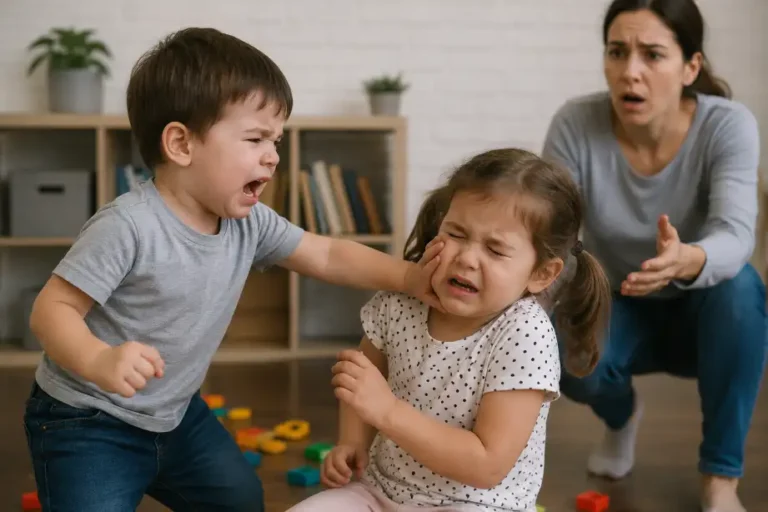
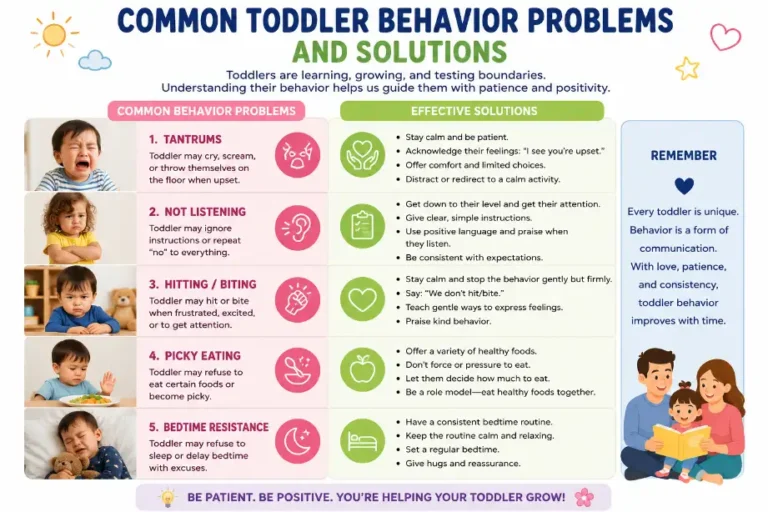
Toddlers bring excitement, curiosity, and endless energy into a home. At the same time, they test limits, throw tantrums, refuse instructions, and express strong emotions. Many parents struggle to balance guidance with patience during these early years. Positive discipline offers a practical approach that teaches children appropriate behavior without fear, punishment, or harsh consequences.
This parenting method focuses on respect, communication, consistency, and emotional growth. Instead of controlling a child through threats or punishment, positive discipline helps toddlers understand expectations and develop self-control. Parents who use positive discipline techniques create a nurturing environment where children feel safe, valued, and understood. These techniques strengthen parent-child relationships while encouraging healthy emotional and social development.
Keep in mind: Positive discipline combines connection, clear limits, age-appropriate expectations, and consistent follow-through. No method works the same way for every child or family.
Discipline means teaching, not controlling
Positive discipline techniques for toddlers focus on teaching rather than punishing. These methods help children learn acceptable behavior while building trust and confidence.
Set Clear and Simple Rules
Toddlers understand simple instructions better than long explanations. Keep household rules easy to remember and consistent.
Examples include:
- Use gentle hands.
- Put toys away after playing.
- Stay seated during meals.
- Walk inside the house.
When children know what parents expect, they feel more secure and cooperative.
Use Positive Language
Children respond better when parents tell them what to do instead of what not to do.
Instead of saying:
- Don’t run.
Say:
- Please walk.
Instead of saying:
- Don’t shout.
Say:
- Use your indoor voice.
Positive language gives toddlers clear guidance and reduces frustration.
Offer Limited Choices
Toddlers enjoy independence. Giving them small choices helps them feel involved while keeping parents in control.
Examples include:
- Do you want the red shirt or the blue shirt?
- Would you like an apple or a banana?
- Do you want to brush your teeth before or after putting on pajamas?
This technique reduces power struggles and encourages cooperation.
Stay Consistent
Consistency helps toddlers understand boundaries. When parents change rules frequently, children become confused.
For example:
- If jumping on furniture is not allowed today, it should not be allowed tomorrow.
- If bedtime starts at 8 p.m., maintain that schedule regularly.
Consistent expectations help children learn appropriate behavior faster.
Redirect Unwanted Behavior
Toddlers often engage in unwanted behavior because of curiosity rather than defiance. Redirecting attention works better than punishment.
For example:
- If a toddler throws blocks, encourage building a tower.
- If a child draws on walls, provide paper and crayons.
Redirection teaches appropriate alternatives while preventing conflict.
Acknowledge Positive Behavior
Children repeat behaviors that receive attention. Recognizing good actions encourages toddlers to continue them.
Examples include:
- Thank you for sharing your toy.
- You put your shoes away. Great job.
- I like how gently you touched the baby.
Specific praise helps children understand exactly what they did well.
Use Natural Consequences
Natural consequences allow children to learn from experiences when safety remains intact.
Examples:
- A child refuses to wear a jacket and feels chilly outside.
- A toddler leaves a toy in the yard and cannot find it later.
These experiences teach responsibility without lectures or punishment.
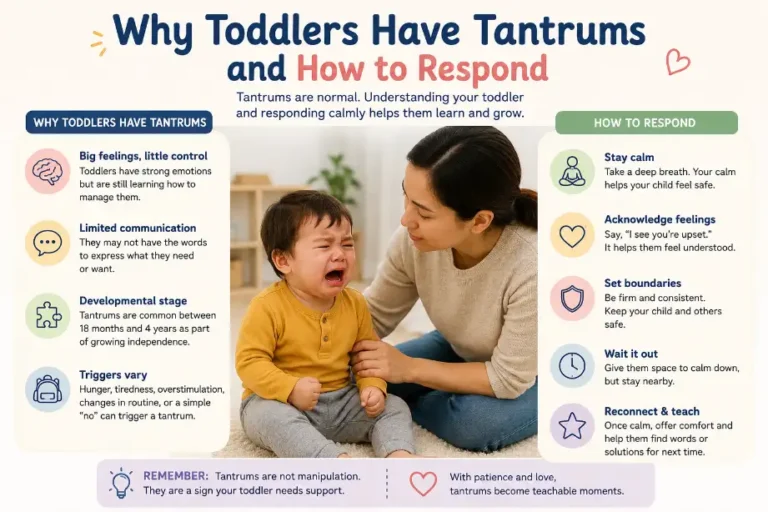
Stay Calm During Tantrums
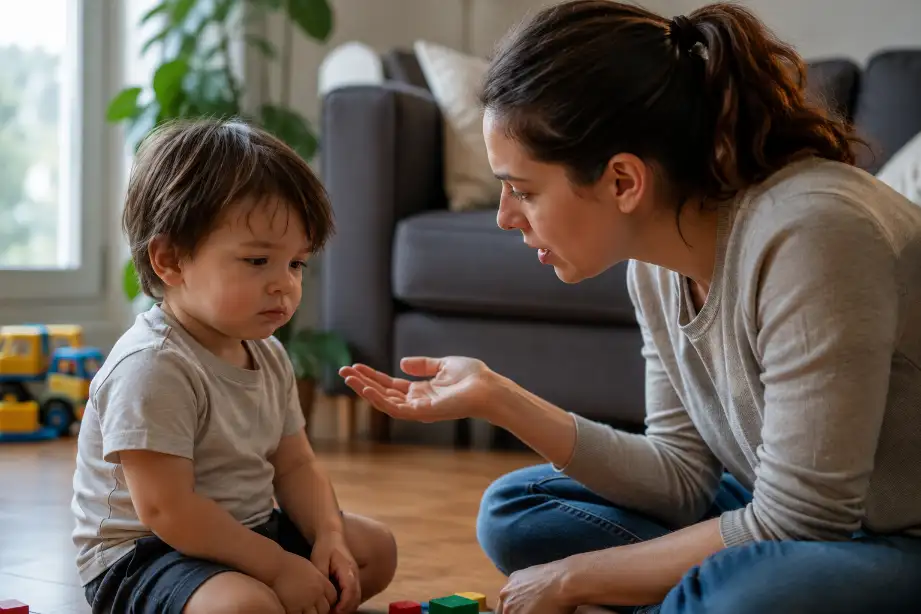
Tantrums occur because toddlers struggle to manage strong emotions. Parents should remain calm and supportive.
During a tantrum:
- Speak softly.
- Stay nearby.
- Ensure safety.
- Avoid arguing.
Once the child calms down, discuss feelings in simple terms. This approach teaches emotional regulation over time.
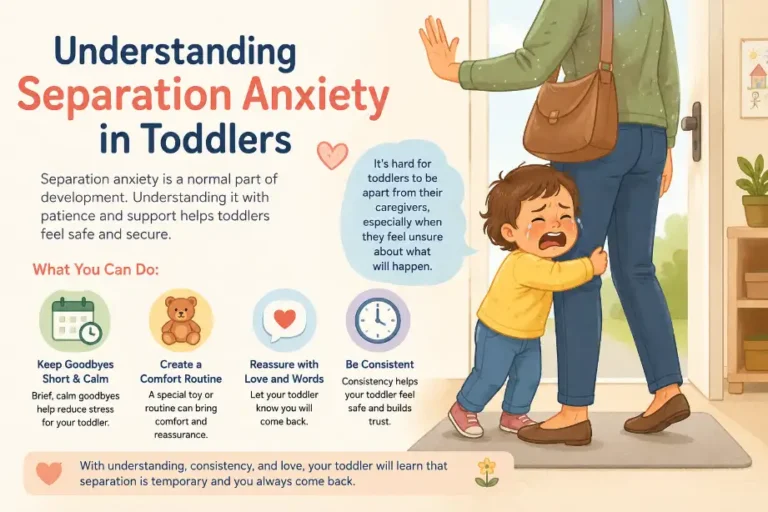
Create Daily Routines
Predictable routines reduce stress and uncertainty for toddlers.
Helpful routines include:
- Morning preparation
- Mealtimes
- Nap schedules
- Bedtime activities
Children often cooperate better when they know what comes next.
Why Positive Discipline Works for Toddlers
Positive discipline supports emotional growth while encouraging healthy behavior.
Builds Strong Parent-Child Relationships
Children feel secure when parents treat them with respect and understanding. Trust grows when discipline focuses on guidance rather than punishment.
A strong connection makes children more willing to listen and cooperate.
Encourages Emotional Intelligence
Toddlers experience many emotions but lack the skills to manage them. Positive discipline helps children identify feelings and express them appropriately.
Parents can say:
- You seem angry because playtime ended.
- You look sad because your toy broke.
These conversations build emotional awareness.
Promotes Problem-Solving Skills
Positive discipline teaches children to think about solutions.
For example:
If two toddlers want the same toy, parents can guide them to:
- Take turns
- Share
- Choose another activity temporarily
Children learn cooperation and conflict resolution through practice.
Develops Self-Control
Harsh punishment often creates fear rather than understanding. Positive discipline teaches children how to regulate their actions and emotions.
Over time, toddlers begin making better choices without constant reminders.
Common Mistakes to Avoid When Using Positive Discipline
Parents often make mistakes while learning new discipline methods. Recognizing these challenges can improve results.
Giving Too Many Warnings
Repeated warnings reduce their effectiveness.
Instead of saying:
- Feet stay on the floor.
- Toys stay on the table.
- Hands stay gentle.
Give one clear instruction and follow through consistently.
Expecting Adult-Level Behavior
Toddlers are still learning patience, sharing, and emotional control.
Keep expectations realistic and age-appropriate.
Using Excessive Praise
Praise should remain genuine and specific.
Instead of:
- You’re the best child ever.
Try:
- You helped clean up your toys. Thank you.
Specific feedback encourages meaningful learning.
Reacting Emotionally
Parents sometimes respond with anger when frustrated.
Strong emotional reactions can increase a toddler’s distress. Calm responses create better learning opportunities.
Ignoring Positive Actions
Many parents focus only on mistakes.
Notice and acknowledge positive behavior regularly. Children thrive when they receive attention for doing the right thing.
Practical Positive Discipline Strategies for Everyday Situations
Parents can apply positive discipline techniques throughout the day.
During Mealtimes
- Offer varied foods choices.
- Avoid forcing children to eat.
- Maintain a calm atmosphere.
- Encourage self-feeding when possible.
During Bedtime
- Follow a consistent routine.
- Read stories together.
- Limit stimulating activities before sleep.
- Provide clear bedtime expectations.
During Shopping Trips
- Explain expectations before entering the store.
- Give toddlers small responsibilities.
- Praise cooperative behavior.
- Bring snacks or activities when needed.
During Playtime
- Encourage sharing.
- Model respectful communication.
- Help solve conflicts peacefully.
- Support independent play.
These daily practices strengthen positive behavior patterns.
Long-Term Benefits of Positive Discipline
Positive discipline creates lasting advantages that extend beyond toddlerhood.
Children who experience respectful guidance often develop:
- Greater confidence
- Better communication skills
- Strong emotional awareness
- Healthy problem-solving abilities
- Improved social relationships
- Increased responsibility
- Stronger self-discipline
These qualities support success in school, friendships, and family life.
Conclusion
Positive discipline techniques for toddlers provide a respectful and effective way to guide behavior while nurturing emotional growth. Children learn best when parents focus on teaching, understanding, and consistency instead of punishment. Simple strategies such as offering choices, setting clear rules, redirecting behavior, and acknowledging positive actions help toddlers develop self-control and confidence.
Every child learns at a different pace, so patience remains an important part of the process. When parents stay calm and consistent, they create a supportive environment where toddlers can learn valuable life skills and build strong, trusting relationships that last for years.
F.A.Q
What is positive discipline for toddlers?
Positive discipline teaches appropriate behavior through guidance, respect, and consistent boundaries.
At what age can parents start positive discipline?
Parents can begin positive discipline techniques as early as the toddler years.
Does positive discipline eliminate tantrums?
No, but it helps children manage emotions and reduces tantrum frequency over time.
How do I handle a toddler who refuses to listen?
Stay consistent, use clear instructions, and offer limited choices when possible.
Is positive discipline better than punishment?
Positive discipline teaches skills and understanding rather than creating fear.
How long does positive discipline take to work?
Results vary, though consistent practice often produces gradual improvements.
Can positive discipline spoil a child?
No, positive discipline combines kindness with clear and firm boundaries.
When to get more help
Seek professional support when behavior regularly creates safety risks, caregivers feel unable to respond safely, or communication, sensory, developmental, or family-stress concerns persist.
Related reading
Sources
- CDC — Tips for Relying on Routines and Rules (consulted August 28, 2026).
- CDC — Tips for Responding to Behavior (consulted August 28, 2026).
- CDC — Tips for Connecting and Communicating (consulted August 28, 2026).
Source note: These links support the developmental, safety, nutrition, sleep, or parenting guidance in this article. They do not replace individualized professional care.