Cognitive Development in Toddlers Explained
Last updated:
Toddlers grow fast during the early years, and their thinking skills develop step by step through daily experiences. They start understanding language, recognizing patterns, remembering events, and solving simple problems. Parents often notice big changes between ages one and three, such as new words, curiosity about objects, and stronger attention spans.
Cognitive development in toddlers shapes how they learn, react, and interact with people and surroundings. Each toddler grows at their own pace, yet certain activities and habits support steady progress. Simple routines, playtime, and communication help build strong thinking skills.
Keep in mind: Cognitive development is uneven and cannot be measured from a single activity. Familiar routines, play opportunities, language exposure, culture, disability, and neurodivergence all shape how skills appear.
Parents and caregivers play a strong role in this stage. They guide learning through conversation, play, and safe exploration. When toddlers receive attention and chances to try new things, their thinking skills grow in a healthy direction.
Language Growth in Toddlers
Language forms a key part of cognitive development. Toddlers learn words by hearing them often and using them in daily life.
Ways to support language growth:
- Talk to the toddler during daily tasks
- Name objects during playtime
- Read short storybooks daily
- Repeat new words in simple sentences
Simple conversation builds understanding and helps toddlers connect words with actions and objects.
Memory Skills in Early Childhood
Toddlers start remembering faces, places, and repeated actions. Their memory develops through repetition and routine.
Helpful activities:
- Play matching games with cards or objects
- Repeat songs and rhymes
- Ask simple recall questions like “Where is your toy?”
- Follow daily routines at the same time each day
These actions help toddlers store and recall information more easily.
Problem-Solving Skills
Toddlers begin solving small problems during play and daily tasks. They learn by trying, failing, and trying again.
Support ideas:
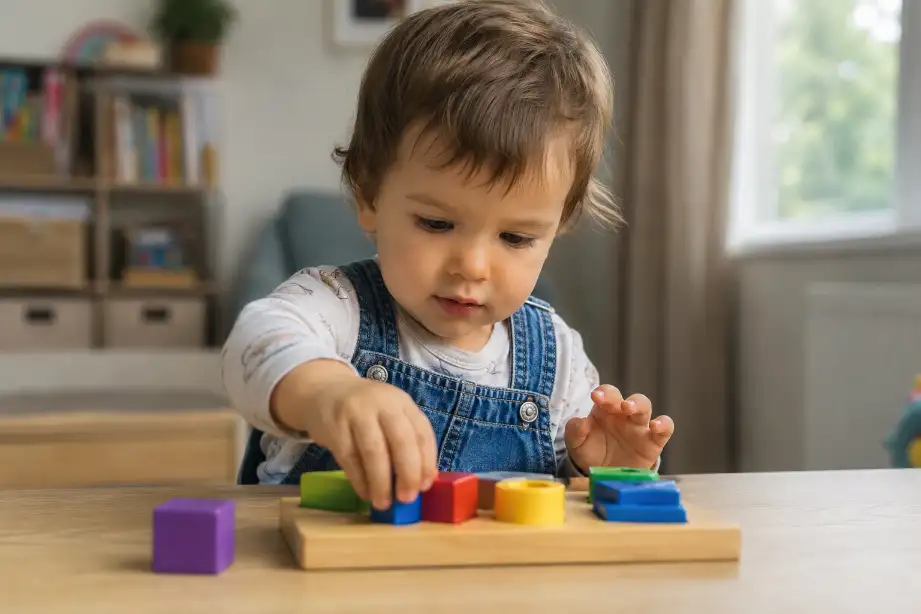
- Give shape-sorting toys
- Offer puzzles with large pieces
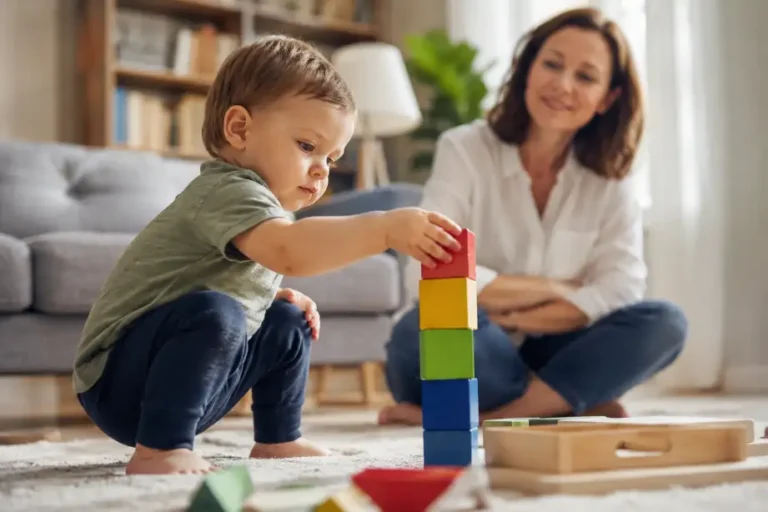
- Let them stack blocks and rebuild them
- Allow safe choices, like picking clothes
These experiences teach toddlers how actions lead to results.
Daily Activities That Support Thinking Skills
Daily life gives many chances for learning. Small habits shape how toddlers think and respond.
Useful daily practices:
- Let toddlers help with simple tasks like picking up toys
- Ask questions such as “What do you see?”
- Encourage pretend play with dolls or kitchen sets
- Spend time outdoors for new sights and sounds
These activities build observation skills and decision-making ability.
Key Factors That Shape Cognitive Development in Early Childhood
Many factors affect how a toddler’s brain develops. Some come from the home, while others come from health and environment. Each factor plays a role in how children learn and respond to the world.
Nutrition and Brain Growth
Food affects brain function and energy levels. Toddlers need balanced meals for steady growth.
Foods that support brain development:
- Fresh fruits like bananas and apples
- Vegetables such as carrots and spinach
- Eggs for protein
- Milk and yogurt for calcium
- Whole grains for energy
Healthy meals support attention, memory, and learning speed.
Play and Learning Activities
Playtime builds thinking skills in a natural way. Children learn best when they enjoy activities.
Types of helpful play:
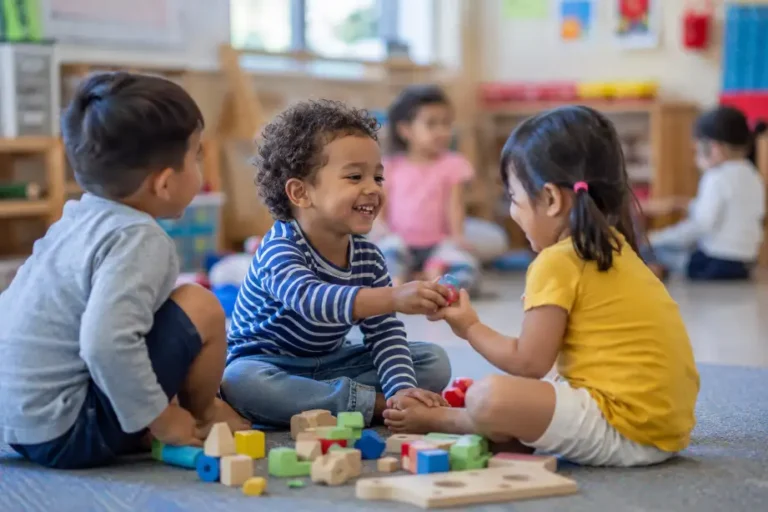
- Building blocks for spatial awareness
- Drawing and coloring for creativity
- Pretend play for imagination and communication
- Outdoor games for observation and movement
Play allows toddlers to test ideas and understand outcomes without pressure.
Home Environment and Interaction
A calm and supportive home helps toddlers feel safe to learn. Daily interaction shapes their understanding of language and behavior.
Supportive practices:
- Speak clearly and calmly
- Listen when the toddler tries to talk
- Respond to questions with simple answers
- Maintain a predictable routine
A stable environment helps toddlers feel secure while learning new skills.
Screen Time and Attention Development
Excessive screen time affects attention span and social interaction. Toddlers learn better through real-life experiences.
Healthy screen habits:
- Keep screen time short
- Choose simple educational content if needed
- Watch together and explain what appears on screen
- Replace screen time with physical play
Real interaction builds stronger thinking skills than passive watching.
Sleep and Brain Function
Sleep supports memory and learning. Toddlers need regular rest to process new information.
Good sleep habits:
- Set a fixed bedtime
- Reduce noise and bright lights before sleep
- Keep a calm bedtime routine
- Avoid late evening stimulation
Proper sleep helps toddlers stay alert and active during the day.
Conclusion
Cognitive development in toddlers depends on daily experiences, care, and interaction. Language, memory, and problem-solving skills grow when toddlers receive attention and chances to learn through play and routine. Parents shape this growth through simple actions like talking, reading, and playing together.
Nutrition, sleep, and environment also guide how well a toddler learns and responds to the world. Each small step in daily life builds stronger thinking skills over time. Consistent support helps toddlers gain confidence in their actions and decisions as they grow.
F.A.Q
What age shows strong cognitive development in toddlers?
Toddlers between 1 and 3 years show fast growth in thinking and learning skills.
How can parents support language skills in toddlers?
Parents can talk often, read books, and repeat simple words during daily activities.
Does play really help cognitive development?
Yes, play builds problem-solving, memory, and creativity in a natural way.
How does sleep affect toddler brain growth?
Good sleep helps toddlers store new information and stay alert during learning.
What foods help toddler brain development?
Eggs, fruits, vegetables, milk, and whole grains support healthy brain growth.
Can screen time slow down cognitive development?
High screen time reduces real interaction and can affect attention and learning.
What daily activity helps toddlers learn faster?
Simple tasks like sorting toys, talking, and pretend play support steady learning.
When to get more help
Raise concerns with a pediatric healthcare professional when a child loses skills or when learning, play, movement, hearing, or communication concerns persist.
Related reading
Sources
- CDC — Milestones by 2 Years (consulted August 28, 2026).
- CDC — Positive Parenting Tips: Toddlers (2–3 years) (consulted August 28, 2026).
Source note: These links support the developmental, safety, nutrition, sleep, or parenting guidance in this article. They do not replace individualized professional care.