25 Educational Activities for Toddlers at Home
Last updated:
Keeping toddlers engaged at home can feel challenging, especially when they have endless energy and curiosity. Parents often look for activities that entertain children while helping them learn new skills. The good news is that you do not need expensive toys or special equipment to create meaningful learning experiences. Simple household items, creative games, and hands-on tasks can help toddlers develop language, motor skills, problem-solving abilities, and social awareness.
Learning during the toddler years plays a major role in a child’s growth. Fun activities encourage children to think, move, observe, and communicate. When parents participate in these activities, children gain confidence and strengthen their connection with family members. Here are 25 educational activities for toddlers at home that combine fun and learning in a practical way.
Keep in mind: These activities are invitations, not tests. Adapt materials, movement, language, and time for a child’s age, interests, disability, sensory preferences, culture, and available space.
Choose play that fits the child and the day
These activities support different areas of development, including cognitive skills, creativity, language development, and physical coordination.
1. Color Sorting Game
Place colorful objects in a basket and ask your toddler to sort them by color. This activity improves color recognition and observation skills.
2. Alphabet Treasure Hunt
Hide alphabet cards around the room and encourage your child to find them. Say each letter aloud together.
3. Storytime Sessions
Read picture books daily and ask simple questions about the story. This activity builds vocabulary and listening skills.
4. Counting Everyday Objects
Count toys, fruits, or blocks together. Children learn basic number concepts while interacting with familiar items.
5. Shape Matching Activity
Cut different shapes from paper and let your toddler match similar shapes.
6. Sensory Bin Exploration
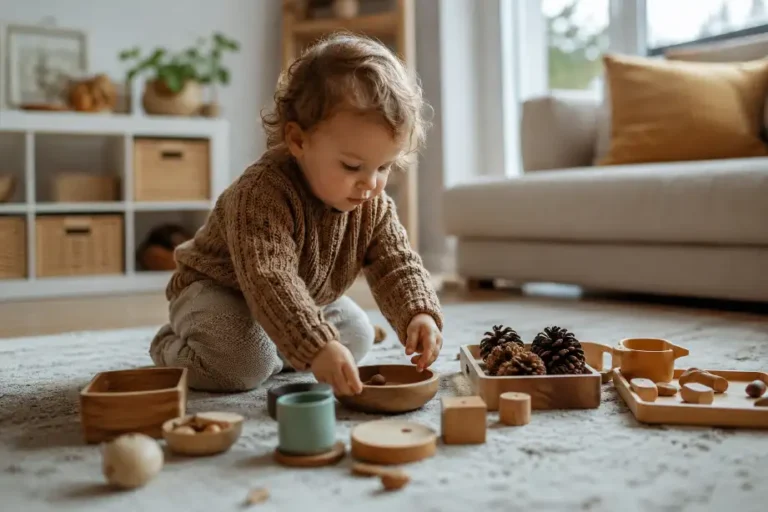
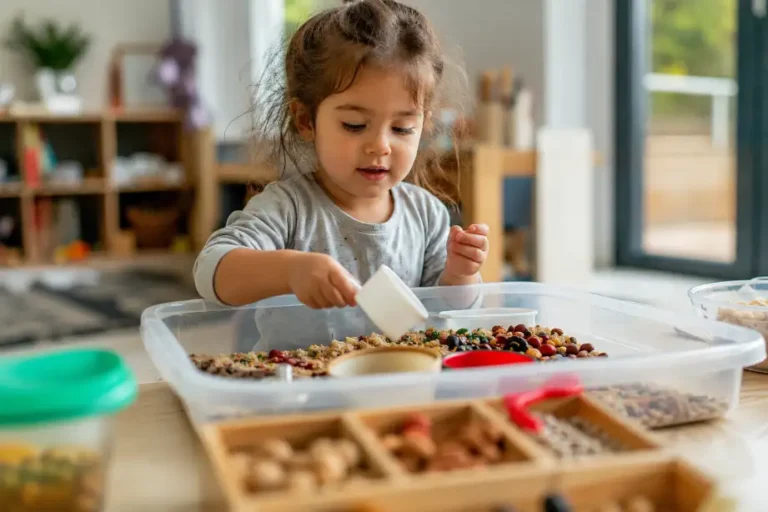
Fill a container with rice, beans, or pasta and add small toys. Children enjoy touching different textures while improving sensory awareness.
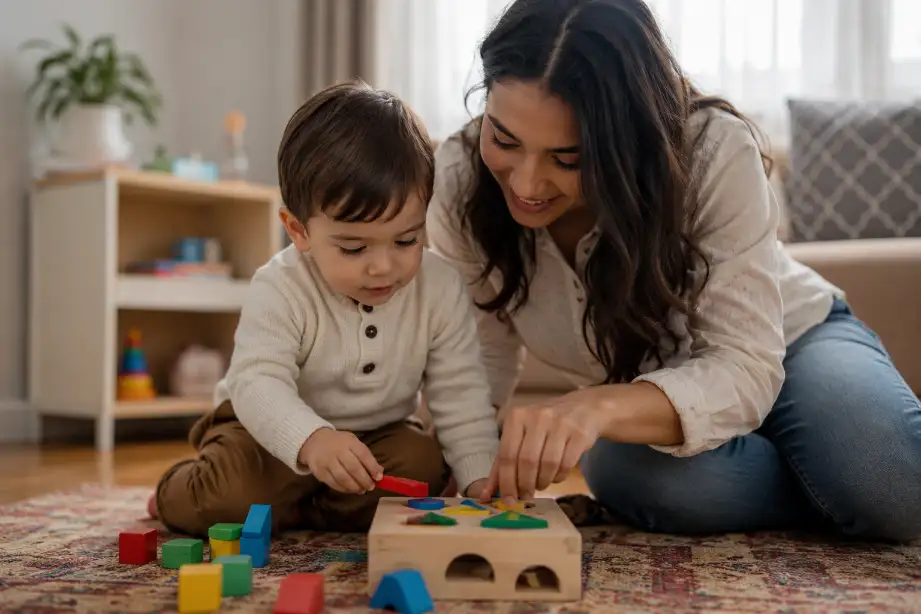
7. Building Block Challenges
Encourage your toddler to build towers and simple structures. This activity develops hand-eye coordination and problem-solving skills.
8. Finger Painting
Provide child-safe paint and paper for creative expression. Finger painting strengthens fine motor skills.
9. Music and Movement Time
Play songs and encourage dancing, clapping, and jumping. Music helps toddlers develop rhythm and coordination.
10. Animal Sound Game
Show pictures of animals and ask your child to imitate their sounds. This activity improves memory and language development.
11. Puzzle Solving
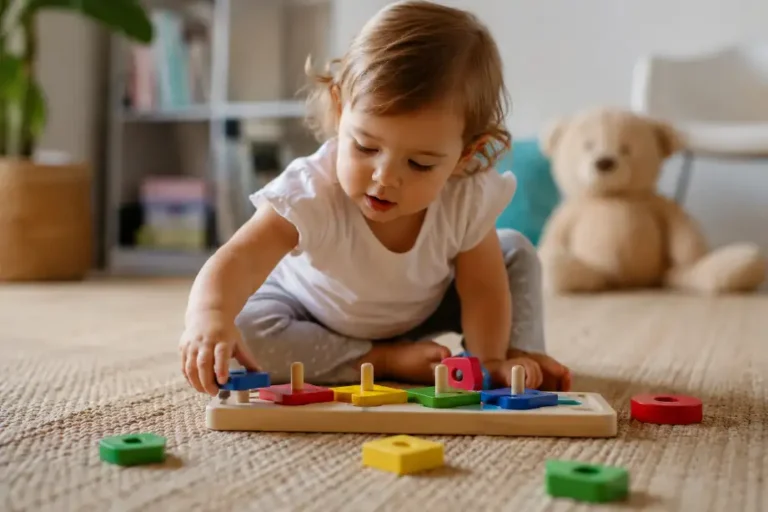
Simple puzzles teach patience, concentration, and logical thinking.
12. Nature Observation
Look out the window or spend time in the backyard identifying birds, plants, and insects.
13. Water Play Learning
Fill a tub with water and cups for pouring activities. Children learn concepts such as full, empty, and volume.
14. Homemade Obstacle Course
Create a safe obstacle course using pillows and cushions. This activity supports gross motor development.
15. Sorting by Size
Provide objects of different sizes and ask your toddler to arrange them from smallest to largest.
16. Play Dough Creations
Let children create shapes, letters, and simple objects using play dough.
17. Rhyming Word Practice
Introduce simple rhyming words through songs and games.
18. Sticker Placement Activity
Give your child stickers and ask them to place them on specific shapes or letters.
19. Kitchen Helper Tasks
Allow toddlers to wash vegetables or mix ingredients under supervision. These tasks teach responsibility and coordination.
20. Flashcard Learning
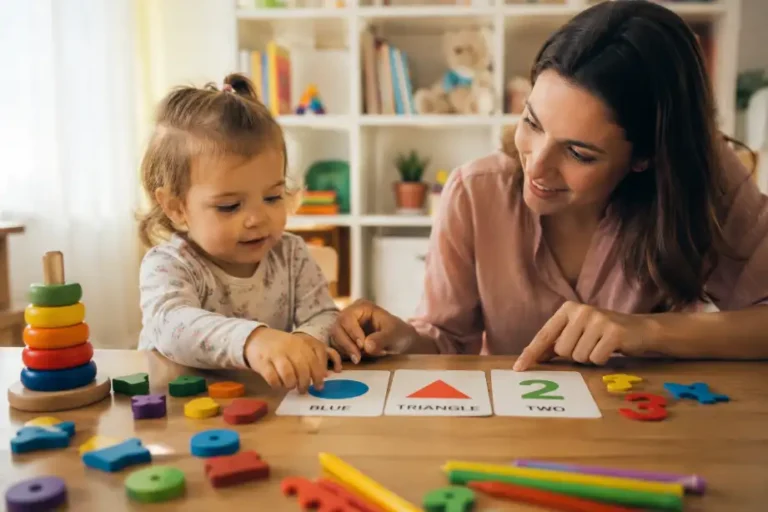
Use flashcards for animals, fruits, colors, and numbers to improve recognition skills.
21. Shadow Matching Game
Create simple shadow drawings and ask your toddler to match objects to their shadows.
22. Bubble Counting
Blow bubbles and count them together before they pop.
23. Indoor Scavenger Hunt
Ask your child to find household items based on color, shape, or category.
24. Memory Card Game
Use picture cards and encourage your toddler to find matching pairs.
25. Drawing and Scribbling Time
Provide crayons and paper for free drawing. This activity supports creativity and hand control.
Benefits of Educational Activities for Toddlers
Educational activities provide much more than entertainment. They contribute to a child’s overall growth and development.
Cognitive Development
Learning games help children:
- Recognize patterns
- Improve memory
- Build problem-solving skills
- Understand basic concepts
Language Growth
Activities involving reading, singing, and conversation help toddlers:
- Learn new words
- Improve pronunciation
- Strengthen communication skills
- Develop listening abilities
Physical Development
Hands-on activities improve:
- Fine motor skills
- Hand-eye coordination
- Balance
- Body control
Emotional Development
Educational play encourages children to:
- Build confidence
- Express emotions
- Practice patience
- Handle challenges positively
Tips for Making Learning Fun at Home
Parents can make educational activities more effective by creating a positive learning environment.
Follow Your Child’s Interests
Choose activities that match your toddler’s favorite topics, such as animals, vehicles, or colors.
Keep Sessions Short
Toddlers have limited attention spans. Aim for activities that last between 10 and 20 minutes.
Offer Praise and Encouragement
Celebrate effort and participation. Positive feedback motivates children to continue learning.
Create a Daily Routine
A consistent schedule helps toddlers know when to expect learning and playtime.
Use Everyday Materials
Many learning opportunities come from common household items such as cups, boxes, spoons, and paper.
Common Mistakes Parents Should Avoid
Parents sometimes focus too much on results instead of the learning process.
Avoid these mistakes:
- Expecting perfection from toddlers.
- Comparing children with others.
- Forcing participation when a child feels tired.
- Using screens as the main learning tool.
- Overloading the day with too many activities.
Children learn best when they feel relaxed, curious, and supported.
Conclusion
Educational activities at home give toddlers valuable opportunities to learn through play. Simple games, creative projects, reading sessions, and hands-on experiences help children build important skills while having fun. Parents do not need expensive resources to support early learning. Everyday objects and a little creativity can turn ordinary moments into meaningful educational experiences.
By including a variety of activities that support language, movement, thinking, and creativity, families can create an engaging environment that encourages healthy development. These 25 educational activities for toddlers at home offer practical ways to keep young children active, curious, and eager to learn every day.
F.A.Q
What are the best educational activities for toddlers at home?
Color sorting, storytime, puzzles, and counting games work very well for toddlers.
How long should a toddler participate in learning activities?
Most toddlers stay engaged for 10 to 20 minutes per activity.
Can household items support toddler learning?
Yes, common items such as cups, boxes, and spoons create excellent learning opportunities.
How often should parents do educational activities with toddlers?
Daily activities provide consistent learning and development benefits.
Are educational games better than screen time?
Hands-on educational games encourage stronger interaction and skill development.
What skills do toddlers develop through educational activities?
They develop language, motor, cognitive, social, and emotional skills.
Can educational activities improve toddler confidence?
Yes, successful participation in activities helps children feel capable and confident.
When to get more help
Supervise closely, use age-appropriate materials, avoid small choking hazards, and stop any activity that becomes unsafe or distressing.
Related reading
Sources
- CDC — Positive Parenting Tips: Toddlers (2–3 years) (consulted August 28, 2026).
- CDC — Milestones by 2 Years (consulted August 28, 2026).
- CPSC — Childproofing Your Home (consulted August 28, 2026).
Source note: These links support the developmental, safety, nutrition, sleep, or parenting guidance in this article. They do not replace individualized professional care.