
Toddler Won’t Listen? Ways to Encourage Cooperation
Last updated:
Parenting a toddler can feel like a daily adventure filled with laughter, curiosity, and occasional frustration. One of the biggest challenges many parents face is getting a toddler to listen and cooperate. Whether it’s refusing to put on shoes, ignoring bedtime, or saying “no” to everything, these moments are a normal part of development.
The good news is that you don’t have to rely on yelling or punishment. With patience, consistency, and positive communication, you can encourage better cooperation while strengthening your relationship with your child.
Keep in mind: A toddler who does not follow a direction may be absorbed, tired, overwhelmed, still processing language, or testing a limit. The behavior is not proof of defiance or poor parenting.
Toddler Won’t Listen? Positive Ways to Encourage Cooperation
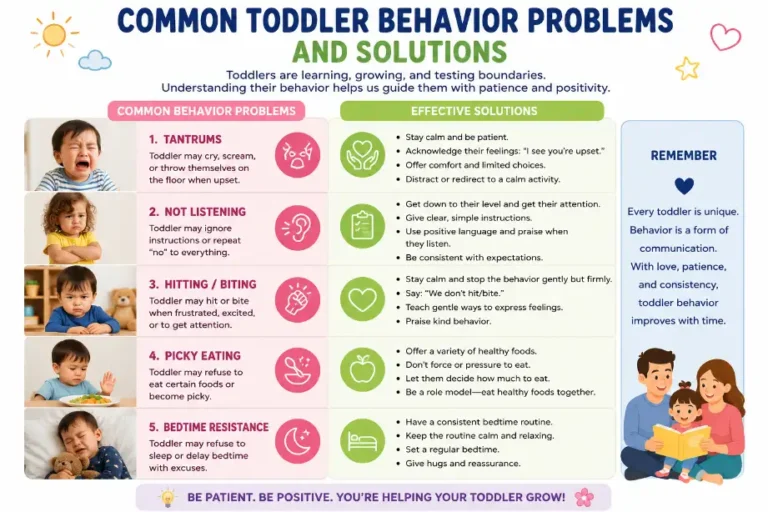
If your toddler won’t listen, start by staying calm and connecting with them before giving instructions. Speak at their eye level, use short and simple directions, and focus on one request at a time. Offer limited choices, praise positive behavior, and create predictable routines so your child knows what to expect. Avoid shouting or repeating commands over and over, as this often leads to more resistance. Remember that toddlers are still learning self-control and communication skills, so your calm guidance helps them develop cooperation over time rather than through fear.
Why Toddlers Often Don’t Listen
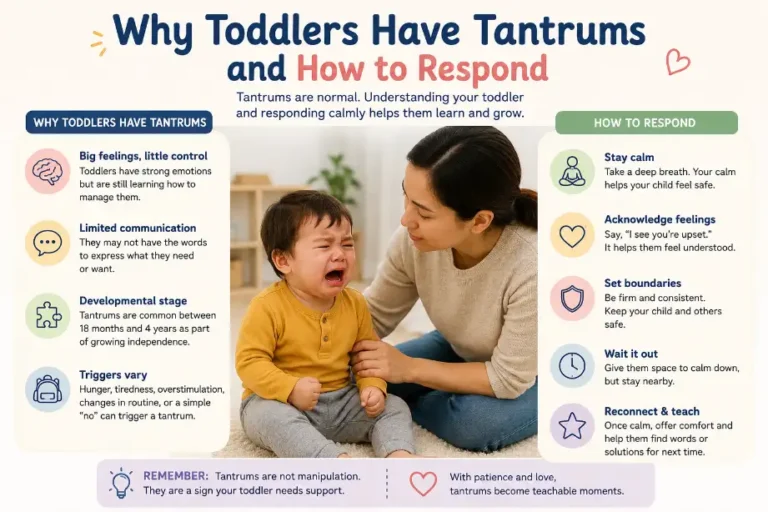
Understanding why toddlers ignore instructions is the first step toward responding effectively. Most toddlers are not trying to be difficult. Their behavior is usually connected to their stage of development.
Toddlers are naturally curious and easily distracted. They often become so focused on exploring their surroundings that they barely notice what adults are saying. Their attention span is also very short, making it difficult to follow multiple instructions.
Another common reason is their growing desire for independence. Saying “no” or refusing to cooperate allows toddlers to test boundaries and discover that they have their own opinions. This behavior is a healthy part of emotional growth when guided appropriately.
Their Brains Are Still Developing
Toddlers have not yet developed strong impulse control or emotional regulation. They may understand your request but still struggle to stop what they’re doing or manage their feelings. Patience and repetition help them gradually build these important life skills.
Big Feelings Can Get in the Way
When toddlers are tired, hungry, overwhelmed, or overstimulated, listening becomes much harder. Addressing their basic needs first often makes cooperation much easier.
Build Connection Before Giving Directions
Children respond better when they feel connected to the person speaking to them. Instead of calling instructions from another room, walk over to your toddler and gently get their attention.
Make eye contact, say their name, and use a warm voice. A gentle touch on the shoulder or holding their hand can also help them focus on you.
When children feel seen and understood, they are more likely to cooperate because they trust that you’re working with them rather than against them.
Get Down to Their Level
Kneeling or sitting so you’re face-to-face with your toddler makes communication feel personal and respectful. This simple change often leads to better listening.
Reduce Distractions
Turn off the television, pause noisy toys, or move to a quieter space before giving important instructions. Fewer distractions make it easier for toddlers to focus.
Use Clear and Simple Instructions
Toddlers understand short, direct sentences much better than long explanations.
Instead of saying, “I’ve asked you several times to clean up your toys because we’re leaving soon,” try saying, “Please put the blocks in the basket.”
Simple instructions reduce confusion and make it easier for your child to succeed.
Give One Direction at a Time
Avoid giving several instructions all at once. Completing one small task before moving to the next builds confidence and improves cooperation.
Be Specific
Instead of saying, “Behave yourself,” say, “Please use gentle hands,” or “Walk beside me.” Clear expectations help toddlers understand exactly what you want.
Offer Choices Instead of Commands
Toddlers love having some control over their day. Offering limited choices encourages independence while still allowing you to guide the outcome.
For example, ask, “Would you like the blue shirt or the red shirt?” instead of demanding they get dressed immediately.
This technique helps reduce power struggles because the child feels involved in the decision-making process.
Keep Choices Limited
Too many options can overwhelm a toddler. Two simple choices are usually enough.
Make Sure Both Choices Work for You
Only offer options that you’re comfortable accepting. This keeps boundaries consistent while giving your child a sense of control.
Create Predictable Daily Routines
Toddlers thrive on routine because it helps them know what comes next. Predictable schedules reduce anxiety and make transitions smoother.
Having regular times for meals, naps, play, and bedtime creates a sense of security. When children know what to expect, they’re often more willing to cooperate.
Visual routines using simple pictures can also help toddlers understand daily activities.
Prepare for Transitions
Give your child gentle warnings before changing activities. Saying, “Five more minutes, then it’s bath time,” allows them to prepare mentally.
Stay Consistent
Following similar routines every day helps children develop healthy habits and reduces arguments.
Praise Positive Behavior More Often
Children naturally repeat behaviors that receive positive attention. Instead of focusing only on mistakes, notice when your toddler listens or cooperates.
Simple praise such as, “You put your shoes on so quickly,” or “Thank you for helping clean up,” encourages your child to repeat those behaviors.
Specific praise is often more effective than general comments because it tells children exactly what they did well.
Celebrate Small Successes
Even small improvements deserve recognition. Learning to cooperate is a gradual process.
Focus on Effort
Praise your child’s attempts, even if the task isn’t completed perfectly. This encourages persistence and confidence.
Stay Calm During Challenging Moments
It’s easy to become frustrated when a toddler refuses to listen repeatedly. However, reacting with anger often increases resistance rather than solving the problem.
Take a deep breath, speak calmly, and avoid long lectures. Your child learns emotional regulation by watching how you respond.
Remaining calm also helps prevent everyday disagreements from becoming larger conflicts.
Avoid Power Struggles
If possible, redirect your toddler instead of arguing. Choosing your battles wisely creates a more peaceful environment.
Model Respectful Communication
The way you speak to your child teaches them how to communicate with others. Kindness and respect encourage the same behavior in return.
Set Clear and Consistent Boundaries
Positive parenting does not mean allowing every behavior. Toddlers need clear limits to feel safe and understand expectations.
Explain rules simply and enforce them consistently. If a boundary changes every day, children become confused and test limits more often.
Consistency helps toddlers understand that expectations remain the same regardless of the situation.
Keep Rules Simple
Focus on a few important family rules instead of creating a long list that toddlers cannot remember.
Follow Through Gently
When you set a limit, calmly follow through without threatening or yelling. Consistent actions are more effective than repeated warnings.
Encourage Cooperation Through Play
Play is a toddler’s natural language. Turning everyday tasks into games makes cooperation much more enjoyable.
You might pretend toys are racing into the toy box, sing a cleanup song, or challenge your child to hop like a bunny to the bathroom.
Adding fun transforms routine activities into positive experiences instead of daily battles.
Use Imagination
Pretend your child is a superhero getting ready for the day or an explorer putting on adventure gear.
Make Everyday Tasks Enjoyable
Songs, timers, and playful challenges can motivate toddlers while reducing resistance.
Common Mistakes to Avoid
Some parenting habits unintentionally make cooperation harder.
Repeating instructions too many times teaches children that they don’t need to respond immediately. Giving unrealistic expectations can also lead to disappointment.
Avoid comparing your toddler with other children, as every child develops at their own pace.
Finally, remember that perfection isn’t the goal. Building trust, communication, and consistency over time creates lasting positive behavior.
Final Verdict
Helping a toddler listen is less about controlling behavior and more about teaching lifelong communication skills. Every positive interaction builds trust, confidence, and emotional security. By remaining patient, offering guidance with kindness, and creating supportive routines, you’ll encourage lasting cooperation while strengthening your relationship. Progress may be gradual, but each small success contributes to a happier and more connected family life.
When to get more help
Ask a pediatric healthcare professional for guidance if hearing, language, development, or behavior concerns are persistent, severe, or interfering with daily life.
Related reading
Sources
- CDC — Tips for Connecting and Communicating (consulted August 28, 2026).
- CDC — Tips for Relying on Routines and Rules (consulted August 28, 2026).
- CDC — Tips for Responding to Behavior (consulted August 28, 2026).
Source note: These links support the developmental, safety, nutrition, sleep, or parenting guidance in this article. They do not replace individualized professional care.